Asheville, NC Cost of Living in 2026: Real Numbers
Asheville’s median home value is $411,000 against a median household income of $67,221, one of the widest gaps of any North Carolina city its size. Two years after Hurricane Helene flooded the River Arts District and knocked out the city’s water system in September 2024, rents have eased about 5 percent to a median near $1,400 for a one-bedroom, while gas is above $4 a gallon and monthly permits in the city’s downtown garages cost more than they did in 2025. This guide prices out housing by neighborhood, groceries, transportation, healthcare and entertainment using 2019 to 2023 Census figures and September 2026 local data.
This guide does not glamorize the place. It prices it out.
Asheville at a Glance: Population, Vibe, and Location
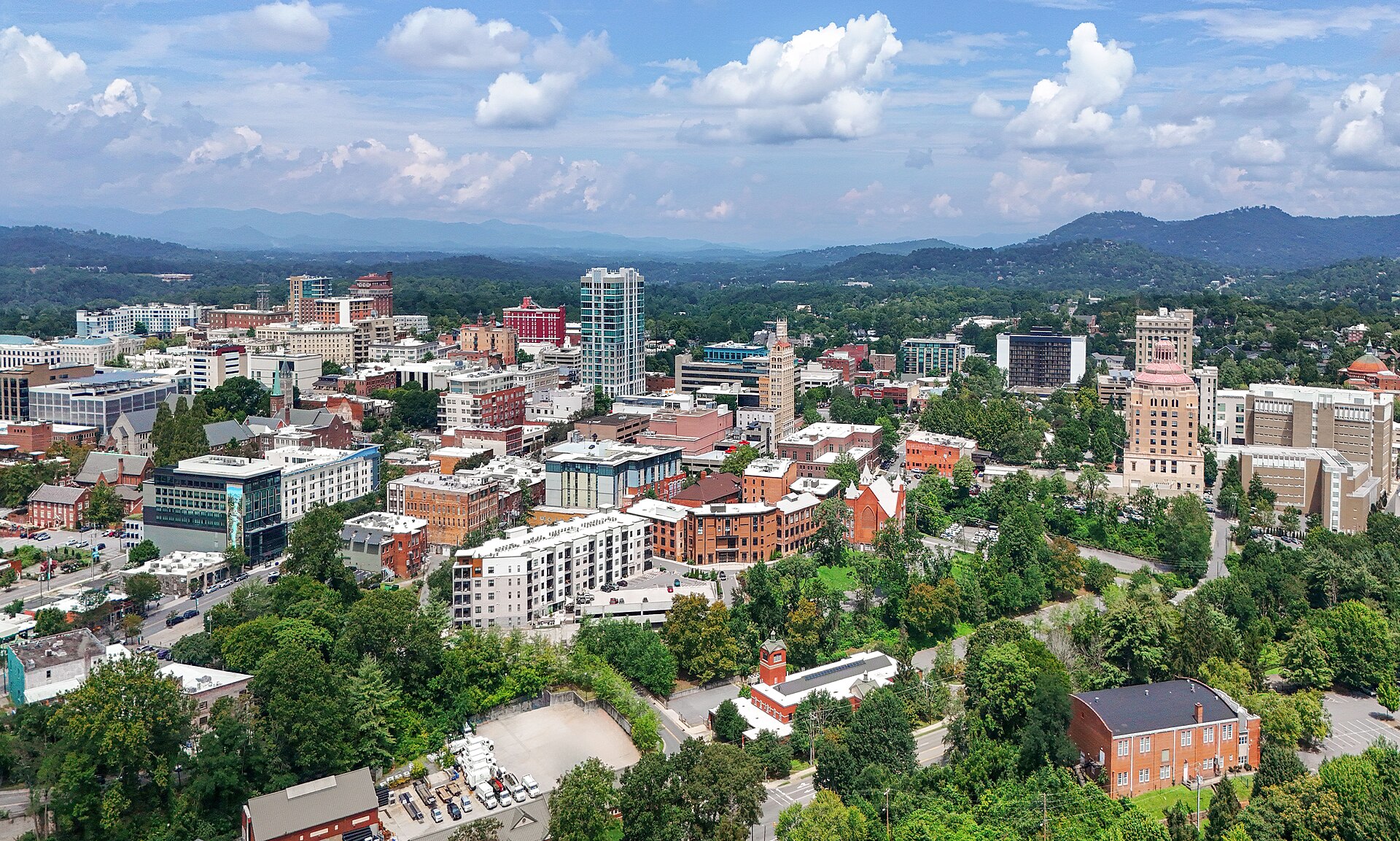
Asheville sits in the Blue Ridge Mountains of western North Carolina, northwest of Charlotte. The city proper holds 94,369 residents according to U.S. Census Bureau estimates, making it comfortably mid-sized without feeling claustrophobic. The surrounding metro area (Buncombe, Henderson and Madison counties) holds about 411,000 people on the same Census estimates, with Buncombe County alone at roughly 272,000.
The median age is 40.7 years, which tells you something useful. This is not a college town masquerading as a real city, nor is it a retirement community. It skews toward established adults, many of them transplants who moved specifically for the lifestyle. About 52% of residents hold a bachelor’s degree or higher, well above national averages, which shapes both the local culture and the local economy.
The vibe is creative, outdoorsy, and politically progressive for a Southern city. The River Arts District hums with working studios. The downtown on Pack Square has independent restaurants and music venues packed on weekends year-round. Hiking into the Pisgah National Forest or onto the Blue Ridge Parkway is not a road trip from here. It is a Tuesday afternoon activity. That accessibility to nature is genuinely rare and is, for many people, the entire reason they are reading this article.
The honest caveat: Asheville is small. The job market is limited in certain sectors, the traffic on I-26 and Merrimon Avenue is worse than a city this size should produce, and the tourism economy means restaurants and services are perpetually understaffed. The unemployment rate sits at 4%, which sounds healthy, but wages in the service and hospitality sectors that dominate local employment often lag behind what the cost of living demands.
Housing Costs by Neighborhood: Rent and Buy in 2026
Housing is where Asheville’s reality hits hardest. The median home value is $411,000 and the median gross rent is $1,303 per month, per Census data. Those numbers require context, because they do not fully capture what 2026 buyers and renters are actually encountering in the market.
The $1,303 median rent reflects a broad average that includes older, long-term leases and subsidized units. New renters entering the market today are typically looking at about $1,400 to $1,600 per month for a one-bedroom (Zumper median $1,399 in late September 2026 and RentCafe average $1,498 as of August 31, 2026); rents are down roughly 2 to 5 percent from a year earlier. Two-bedrooms average about $1,700 to $1,750 per month, with newer downtown buildings above that. Finding anything under $1,400 in decent condition near downtown is a genuine search, not a quick Zillow scroll.
The homeownership rate is 50.3%, roughly split down the middle, which is lower than many comparable small cities. That stat reflects how expensive it has become to buy here. A household earning the median income of $67,221 per year is earning roughly $5,600 per month before taxes. Standard lending guidelines suggest keeping a mortgage under 28% of gross income, which puts a comfortable payment ceiling around $1,570 per month. At the 7.03 percent average 30-year fixed rate Freddie Mac reported for September 24, 2026, that payment covers principal and interest on a loan of about $235,000, before property taxes and insurance. The median home value is $411,000. That gap is the defining financial tension of Asheville in 2026.
Neighborhood-by-Neighborhood Breakdown
- Downtown/Pack Square and West Asheville: The most walkable areas. West Asheville specifically has a lively independent-business strip along Haywood Road that draws younger residents willing to pay a premium for it.
- South Slope and River Arts District: Still desirable, and most studios, galleries and breweries have reopened, but the River Arts District sits in the French Broad floodplain: Hurricane Helene’s September 2024 flooding damaged or destroyed about 80 percent of its studios and buildings, so check flood maps and flood-insurance costs before buying or renting here.
- North Asheville and Merrimon Corridor: More established and family-oriented, with larger lots and older Craftsman homes.
- East Asheville: Farther from downtown, with longer commutes and fewer walkable amenities.
- Surrounding towns (Weaverville, Black Mountain, Swannanoa): Weaverville is 9 miles north of downtown and Black Mountain 15 miles east by I-40, but these towns are not the bargain they once were. On the same Census measure used above, Black Mountain’s median home value is about $352,000, Swannanoa’s about $271,000 and Weaverville’s about $453,000 (above Asheville’s $411,000). Swannanoa was one of the areas hit hardest by Hurricane Helene flooding in September 2024 and is still rebuilding.
One important note: the poverty rate in Asheville is 14.6%. That figure sits alongside $411,000 median home values and tells a stark story about who is being priced out. Long-term residents, service workers, and lower-income households are under significant pressure, and that tension is very much part of the city’s current political conversation.
Food and Groceries: What a Month Actually Costs
Grocery bills depend heavily on where you shop, since the city has both budget and premium chains.
The main grocery options include Ingles (the dominant regional chain, competitively priced), Whole Foods on Merrimon Avenue (noticeably more expensive), Earth Fare (now re-opened, positioned between the two), and an Aldi for those doing budget-focused shopping. Farmers markets are genuinely excellent here. The Western North Carolina Farmers Market on Brevard Road is open year-round and sells locally grown produce and plants, with shops and restaurants on site.
Dining out is where the bill climbs fast. The city has many local breweries (Wicked Weed, New Belgium’s local taproom, Burial Beer, Hi-Wire), and regular nights out add up quickly.
Transportation: Driving, Parking, and Getting Around
Asheville is car-dependent. That is the blunt summary. The city has a public transit system (ART, or Asheville Rides Transit), but routes are limited and frequency is low enough that most people with flexibility do not rely on it. If you are coming from a city with genuine transit, adjust your expectations significantly.
Most residents drive. As of late September 2026, AAA puts the Asheville metro average for regular at about $4.22 per gallon (state average $4.16, up from about $2.88 statewide a year earlier); check AAA for the current figure before budgeting.
Parking downtown is manageable but not free. The city’s four downtown garages charge $2.00 per hour (free if you leave within the first hour) with a $15 daily maximum, and street parking has a two-hour limit in most core areas. Monthly permits in city garages run $100 to $150 for 24-hour access depending on the garage (12-hour permits $80 to $120), per the city’s permit page as updated July 2, 2026, and some locations have waiting lists. Street meters are $2.50 per hour with a two-hour limit. This is less painful than most cities but still a real cost if you work or spend significant time downtown.
Healthcare: Hospitals, Providers, and What to Expect to Pay
Healthcare infrastructure in Asheville is genuinely strong for a city of this size. Mission Hospital on Biltmore Avenue is the dominant regional provider, an 815-bed facility and the only Level I trauma center in western North Carolina, a designation it earned from the American College of Surgeons in late 2025, after operating as a Level II center. It was acquired by HCA Healthcare in 2019, a change that has been controversial locally due to service reductions, but it remains the core acute care option for most residents.
The Mountain Area Health Education Center (MAHEC) operates primary care clinics with a sliding-scale fee model that serves lower-income residents. UNC Health Pardee operates nearby in Hendersonville (about 22 miles south) for those in the southern part of the metro.
If you are self-employed or work freelance, compare ACA marketplace plans at HealthCare.gov before you move, since premiums depend on age, plan tier and income-based subsidies.
Entertainment and Lifestyle: What Your Money Gets You Here
This is where Asheville earns its cost premium for many residents. The outdoor recreation access is legitimately exceptional. Trailheads into the Pisgah National Forest and along the Blue Ridge Parkway are a short drive from the city. The Parkway itself is free. Gear costs money (a solid hiking or mountain biking setup is a real investment), but the activity itself is largely accessible regardless of income.
The arts scene punches above its weight. The Asheville Symphony, the Wortham Center for the Performing Arts, and a dense calendar of live music at venues like The Orange Peel, a 1,050-capacity downtown venue, keep culture accessible. The Biltmore Estate, the city’s most famous attraction, charges from $90 for adult Biltmore House and Grounds daytime admission in fall 2026, with prices varying by date and the best prices for tickets bought online in advance.
Asheville vs. Charlotte and Raleigh: How Costs Compare
Charlotte and Raleigh are the obvious benchmarks for a North Carolina comparison. Both are significantly larger metros with more robust job markets. Here is how the key numbers stack up.
Charlotte: Median home values in Charlotte sit at $351,500 in the city proper on the same 2019 to 2023 Census measure, slightly below Asheville despite Charlotte being more than nine times larger. Charlotte’s median household income is higher, about $78,400 on the same Census measure, reflecting a stronger corporate and finance job base. One-bedroom rents average roughly $1,400 (Zumper, 2026), about the same as Asheville. The critical difference: Charlotte’s job market offers far more career paths, especially in finance, tech, healthcare, and logistics. You pay similar housing costs and earn more.
Raleigh: Raleigh has the highest incomes of the three and a somewhat higher Census median rent, but by median home value Asheville is the most expensive. Raleigh’s Census median home value is $377,800 and its median gross rent is $1,468. Incomes are higher too, driven by Research Triangle tech and biotech employers. Raleigh is the city you move to for career acceleration. Asheville is the city you move to when career acceleration is no longer your top priority.
The honest comparison: Asheville costs more than its income base justifies, relative to Charlotte. You are paying a lifestyle premium for the mountains, the culture, and the scale. That premium is real and worth quantifying before you move.
Honest Pros and Cons of Living in Asheville
The Real Advantages
- Outdoor access is unmatched at this city size. The Pisgah National Forest and the Blue Ridge Parkway are not weekend destinations. They are part of your weekly routine if you want them to be.
- A genuinely distinctive culture. Independent restaurants, working artists, live music venues, and a local-first business ethic that most small cities can only claim aspirationally.
- Scale. You can know your neighborhood. Traffic, while real, is not a daily hour-long ordeal. The city rewards people who want community, not anonymity.
- Education quality. The 52% college-degree rate and a culture that values education means good school options, engaged PTAs, and a well-read neighbor base.
The Real Downsides
- The income-to-cost mismatch is severe. A median household income of $67,221 per year does not comfortably support a $411,000 median home value. Many people renting here are effectively locked out of homeownership unless they bring equity from a prior market or have dual incomes.
- The job market is shallow. If you are not remote-working or in healthcare, tourism, or the trades, your options are limited. Career pivots are harder here than in Charlotte or Raleigh.
- Tourism pressure is constant. Summer and fall weekends can make downtown nearly unusable for residents. Restaurant wait times, traffic, and noise are real friction points that do not appear in lifestyle guides.
- The poverty rate of 14.6% reflects a city with deep inequality. Long-term and lower-income residents are increasingly pushed to the margins, and the public services pressure that creates is visible.
Who Is Asheville Actually Right For?
Remote workers with established incomes. If you are location-independent and earning well above the local median, Asheville is close to ideal. You get mountain living, a walkable, culturally rich downtown, and no state income tax surprise (North Carolina has a flat 3.99% individual income tax rate for 2026, down from 4.25% in 2025 and 4.5% in 2024, which is reasonable). You can actually afford the housing market without white-knuckling your budget.
Outdoor-focused retirees or semi-retirees with home equity. If you are moving from a higher-cost market and selling a home there, the math can work in your favor. Buying in East Asheville or a surrounding town with significant equity from a prior sale puts you in a genuinely comfortable position, surrounded by trail access and an active adult culture.
Couples in the trades, healthcare, or education. Dual-income households where both partners are employed in stable local sectors can make the numbers work. Two steady local incomes put homeownership within closer reach, especially in the surrounding area.
Artists, musicians, and creative professionals who can manage low overhead. Asheville still has a working creative class, though it is under financial pressure. If you are skilled at keeping fixed costs low, you have roommates, or you are in a creative field with online income streams, the city’s culture and community can be sustaining in ways that are hard to put a number on.
The Bottom Line: Should You Move to Asheville in 2026?
Asheville rewards people who go in with clear eyes. The mountain setting, the arts infrastructure, and the genuine sense of local identity are real and valuable. So is the financial squeeze. A city with a median household income of $67,221 and a median home value of $411,000 is asking residents to make real sacrifices, whether that means a longer commute from a cheaper suburb, a smaller home than they expected, or simply renting indefinitely while the market stays out of reach.
If your income can float above the median, if outdoor recreation is a genuine priority rather than a nice-to-have, and if you value a smaller, more knowable city over career maximization, Asheville in 2026 still delivers. Just do not arrive expecting affordability. Expect specificity, beauty, and a bill that reflects both.
Frequently Asked Questions
What is the average rent in Asheville, NC in 2026?
Is Asheville, NC expensive compared to the rest of North Carolina?
What salary do you need to live comfortably in Asheville in 2026?
What are the best neighborhoods to live in Asheville, NC?
How is the job market in Asheville, NC?
Sources & methodology. Demographic and economic figures in this guide are drawn from the U.S. Census Bureau, 2019 to 2023 American Community Survey 5-Year Estimates. A newer 2020 to 2024 release came out on January 29, 2026; this guide still uses the 2019 to 2023 figures. Other figures come from the sources named next to them.
Last reviewed September 2026.
How this guide was made. Figures come from the U.S. Census Bureau ACS 2019 to 2023 5-year estimates and the other sources named next to each number. A first draft was written with the help of an AI language model; every place name, price, date and claim was then checked against primary sources by the Small City Guide editors (see About and Methodology). Last verified: September 26, 2026.
What changed: Fact-checked against primary sources in September 2026: 22 statements corrected, opening rewritten, photo replaced with a credited image of the city. On September 27, 2026 every named place and figure was re-checked; details that could not be confirmed from a primary source were removed.
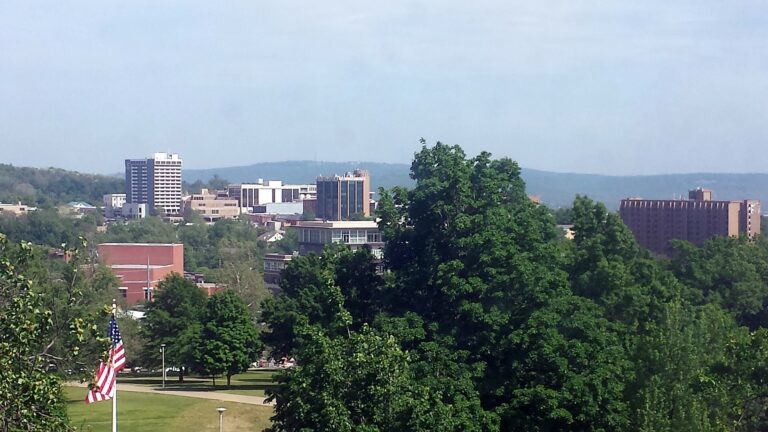
Photo: Quintin Soloviev, CC BY 4.0, via Wikimedia Commons.