
Santa Cruz, CA Cost of Living in 2026
Santa Cruz is a city of about 61,000 on the north shore of Monterey Bay, with a median home value of $1,180,100 and a median gross rent of $2,302 a month, according to the Census Bureau’s 2019 to 2023 American Community Survey. UC Santa Cruz enrolls nearly 20,000 students, which keeps pressure on rentals. In late September 2026, regular gas averaged about $6.33 a gallon locally and the 30-year mortgage rate sat near 7%.
Overview: What Santa Cruz Actually Is
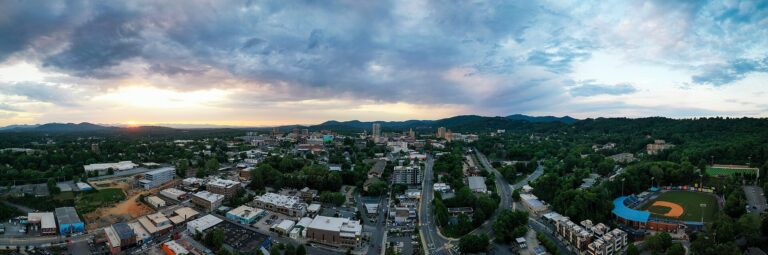
Santa Cruz sits on the northern edge of Monterey Bay, with State Route 17 as the main road north over the Santa Cruz Mountains to San Jose and the rest of the Bay Area. The geography is striking: redwood forests push right up against Pacific cliffs, and the iconic boardwalk has operated since 1907. But this is not a sleepy resort town. It is a University of California campus city, home to UC Santa Cruz, which dominates both the demographic profile and the rental market.
The U.S. Census Bureau’s 2019 to 2023 American Community Survey puts the city’s population at 60,953, with a median age of just 30.7 years. That youth skew is real and consequential. UCSC enrolls nearly 20,000 students (19,938 in fall 2024), which compresses rental supply for everyone else and props up rents citywide. The vibe oscillates between genuine surf culture, progressive politics, and Silicon Valley spillover.
The city’s 57.7% bachelor’s degree or higher rate reflects its educated workforce, but the 17.6% poverty rate tells a more complicated story. The gap between the professional class (including well-compensated remote workers) and service-sector residents is stark. A 6.3% unemployment rate runs above the national average, a figure worth sitting with if you are moving here without a job already secured.
Housing Costs by Neighborhood
The Census-reported median home value of $1,180,100 is not a typo. For context, that figure requires a down payment of roughly $236,000 at 20%, and a monthly principal and interest payment of approximately $6,300 at the Freddie Mac 30-year average of 7.03% for the week of September 24, 2026, before property taxes and insurance. A household earning the city’s median household income of $111,427 grosses about $9,285 per month. The math does not work comfortably, which partly explains the 47.7% homeownership rate.
Renting in Santa Cruz
The Census-reported median gross rent of $2,302/month is a citywide figure. Locals tend to split the city into the Westside, west of the San Lorenzo River, and the Eastside, east of the river toward Soquel and Capitola. Natural Bridges State Beach is on the Westside edge of the city. Live Oak, just outside the city limits, is an unincorporated census-designated place.
Buying in Santa Cruz
Homes in Scotts Valley and the Santa Cruz Mountains above the city add commute time on State Route 17. Get homeowners’ insurance quotes before you make an offer.
Food and Groceries
Trader Joe’s on Front Street downtown is the go-to for keeping costs reasonable. New Leaf Community Markets, a local institution, is wonderful but premium-priced. Staff of Life Market is similar. Safeway covers mid-range staples. Costco has a warehouse on Sylvania Avenue in Santa Cruz, worth the membership if you have storage space.
Transportation
Santa Cruz is largely car-dependent, full stop. Santa Cruz Metro buses operate throughout the city and connect to some county destinations, but frequency and coverage outside of downtown and the university corridor are limited. Hills, distance, and Pacific fog make biking impractical as a sole transportation method for most residents.
Gas prices in Santa Cruz County run well above the national average. In late September 2026, AAA put the Santa Cruz-Watsonville average for regular at about $6.33 a gallon, against a national average of about $4.48. A driver covering 1,000 miles a month in a car that gets 25 mpg should budget about $250/month for gas alone.
Highway 17 over the Santa Cruz Mountains to San Jose is scenic and twisting, and it is considered one of the most dangerous highways in the state, with a history of collisions and fatalities and pavement that can turn slippery in wet winter weather.
Caltrain does not serve Santa Cruz. There is no light rail. For anyone commuting to San Jose or San Francisco regularly, this is a significant lifestyle and cost consideration.
Healthcare
The primary hospital serving Santa Cruz is Dominican Hospital (part of Dignity Health). Sutter Health’s Palo Alto Medical Foundation operates clinics in the area. For specialized care, many residents travel to Stanford Health Care or UCSF in the Bay Area, which adds both time and cost to serious medical situations.
Entertainment and Lifestyle
This is where Santa Cruz genuinely earns its reputation. The lifestyle upside is real and it is not trivial. Year-round access to world-class surfing at spots like Steamer Lane, tide pools at Natural Bridges, hiking trails in Pogonip Open Space next to UC Santa Cruz, and redwood hiking in Henry Cowell Redwoods State Park represent a quality-of-life dividend that does not appear on any cost spreadsheet.
Vehicle day use at Natural Bridges State Beach is $10. The Santa Cruz Farmers Market runs year-round. The Rio Theatre hosts indie films and live music. First Friday art walks and the Tannery Arts Center provide a consistent cultural calendar without requiring a large budget. Most outdoor recreation is effectively free once you have a car and basic gear.
Discretion Brewing is one local craft brewery. Budget-conscious residents lean hard into the outdoor scene.
Santa Cruz vs. San Jose and San Francisco
It helps to anchor Santa Cruz against the two larger cities many residents compare it to before moving.
- San Jose: The Census Bureau’s 2019 to 2023 ACS puts San Jose’s median gross rent at $2,617/month, above Santa Cruz’s $2,302, and its median household income at $141,565, well above Santa Cruz’s $111,427. San Jose has VTA light rail and Caltrain access. Santa Cruz wins on lifestyle and scenery; San Jose wins on employment options.
- San Francisco: The same ACS data put San Francisco’s median gross rent at $2,419/month, only slightly above Santa Cruz’s $2,302. But SF has vastly better transit, a denser job market across industries, and urban amenities that Santa Cruz simply cannot match. SF also carries higher income potential in most professional fields. The comparison only favors Santa Cruz if you strongly prioritize outdoor access and a slower pace, and if you are not commuting to the city regularly.
The honest summary: Santa Cruz costs almost as much as a major metro while offering small-city infrastructure and a thin local job market. You are paying a lifestyle premium, and you should enter that trade with clear eyes.
Honest Pros and Cons
Pros
- Exceptional outdoor access: surf, hiking, cycling, and redwoods close to town
- Genuinely mild climate, with average daily highs of about 62F in winter and the mid 70s in late summer and early fall, and average winter lows in the low 40s
- A real community feel, local businesses are deeply supported by residents
- Progressive, tolerant culture with low tolerance for pretension
- UC Santa Cruz brings ongoing intellectual and cultural energy
Cons
- Housing costs are crushing relative to local wages; the $111,427 median household income does not stretch far here
- The local job market is thin outside healthcare, education, and hospitality; the 6.3% unemployment rate reflects this
- Highway 17 commutes to San Jose are stressful, time-consuming, and genuinely dangerous in poor weather
- Limited public transit makes car ownership essentially mandatory for most residents
- The 17.6% poverty rate signals deep inequality; service workers and long-term residents are being priced out steadily
Who Santa Cruz Works For
The Remote Tech Worker or Consultant
If you are earning a Bay Area or national tech salary remotely, Santa Cruz makes sense financially and qualitatively. You get the lifestyle without the SF rent, and you accept thin local networking in exchange for morning surf sessions.
The UC Santa Cruz Graduate Student or Faculty
Graduate students face real hardship here, stipends rarely cover the median rent without roommates. But faculty, researchers, and university administrators on full salaries find Santa Cruz a natural fit. The city’s intellectual culture, median age of 30.7, and university events make it socially cohesive for this group.
The Outdoor-First Young Professional
Someone in their late 20s to mid-30s who prioritizes access to surf, mountains, and bike trails above square footage or career acceleration will find Santa Cruz deeply satisfying, provided they can secure a roommate situation. This person treats the lifestyle dividend as compensation for the financial squeeze.
The Retiring Bay Area Homeowner
A couple selling a Bay Area home and arriving with substantial equity can buy in Santa Cruz without the crushing mortgage math that stops most buyers. The climate, pace, and medical access at Dominican Hospital make it a logical retirement destination for people who built wealth in the region and want to stay coastal without paying San Francisco prices.
The Final Verdict
Santa Cruz is not an affordable city by any rational measure. A median home value of $1,180,100 and median rent of $2,302/month, set against a local job market with a 6.3% unemployment rate and a 17.6% poverty rate, tells you who gets left behind here. The people who thrive in Santa Cruz are either earning remotely at above-average incomes, arriving with equity or family wealth, or making deliberate quality-of-life tradeoffs they have thought through honestly.
If you fit one of those profiles, Santa Cruz delivers on its promise. The climate is real. The outdoor access is world-class. The community identity is genuine. But go in knowing that the surf town aesthetic conceals Bay Area-level costs and a housing market that has very little room for financial miscalculation.
Frequently Asked Questions
What is the average rent in Santa Cruz CA in 2026?
Can you afford to live in Santa Cruz on a $70,000 salary?
Is Santa Cruz CA more expensive than San Francisco?
What are the safest neighborhoods in Santa Cruz CA?
How much do you need to earn to buy a house in Santa Cruz CA?
Sources & methodology. Demographic and economic figures in this guide are drawn from the U.S. Census Bureau, 2019 to 2023 American Community Survey 5-Year Estimates, the most recent release available for Santa Cruz. Other figures come from the sources named next to them.
Last reviewed September 2026.
How this guide was made. Figures come from the U.S. Census Bureau ACS 2019 to 2023 5-year estimates and the other sources named next to each number. A first draft was written with the help of an AI language model; every place name, price, date and claim was then checked against primary sources by the Small City Guide editors (see About and Methodology). Last verified: September 26, 2026.
What changed: Fact-checked against primary sources in September 2026: 7 statements corrected, opening rewritten, photo replaced with a credited image of the city.
Photo: Mertbiol, CC0, via Wikimedia Commons.