Cost of Living in San Luis Obispo, CA (2026)
San Luis Obispo’s median home value is $896,500 while its median household income is $66,711, according to the Census Bureau’s 2019-2023 American Community Survey. With 30-year mortgage rates near 7% in September 2026, a 20% down payment on that median home leaves a principal and interest bill of about $4,800 a month. Cal Poly shapes the city, with a median age of 26.2 and 61% of households renting. This guide breaks down 2026 costs for housing, food, transportation, healthcare and recreation.
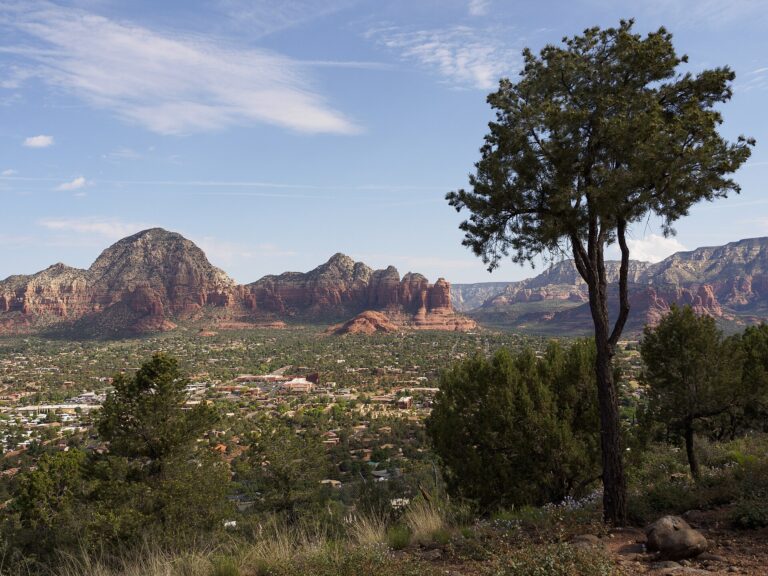
SLO (as locals universally call it) sits roughly halfway between Los Angeles and San Francisco on the Central Coast of California. The setting is legitimately stunning: rolling hills, the Santa Lucia Range to the east, the Pacific about 11 miles west, and wine country sprawling through the Edna Valley. The lifestyle pitch writes itself. The cost reality is considerably more complicated.
With a population of 48,039, this is a small city that punches above its weight in amenities. A walkable downtown, a Thursday night farmers market that feels like a block party, and one of California’s more beloved Amtrak stops (it is the northern end of the Pacific Surfliner line, and the Coast Starlight also stops here) all add to the appeal. But a 30% poverty rate and a 6.7% unemployment rate tell a harder story underneath the good-life veneer. Many residents are students living on stipends and financial aid, which skews both the poverty and income figures, but the structural affordability pressure is real regardless.
Housing: Renting and Buying in San Luis Obispo in 2026
The U.S. Census Bureau’s 2019 to 2023 American Community Survey puts the median gross rent at $1,906 per month. That figure reflects the 2019 to 2023 survey period, so check current listings before budgeting.
The homeownership rate of 39% reflects just how much of this city rents, largely because buying is effectively out of reach for most residents. The median home value stands at $896,500. With the 30-year fixed mortgage rate averaging about 7% in September 2026 (Freddie Mac), a standard 20% down payment on a median-priced home means putting roughly $179,000 down and carrying a monthly principal and interest payment of around $4,800 before taxes and insurance. The median household income of $66,711 per year, or about $5,559 per month before taxes, does not make that math work for most households.
Neighborhood Breakdown
Downtown and Old Town SLO: The most walkable part of the city, including the historic blocks of the Old Town Historic District.
Cal Poly Adjacent (North SLO): Student-heavy, loud on football weekends, but functional if you need proximity to campus.
Laguna Lake and Broad Street Corridor: A bit more breathing room and slightly more family-oriented. This is where younger professionals who want a bit more space without leaving city limits tend to land.
Edna Valley and South SLO: The southern edge of the city, next to the Edna Valley wine region.
Los Osos, Morro Bay, and Arroyo Grande (nearby): Neighboring towns in San Luis Obispo County, all served by regional bus routes.
Food and Groceries: What a Month of Eating Costs
Grocery-wise, the main options are a Vons on Broad Street, a Trader Joe’s on Higuera Street, and a Costco on Froom Ranch Way.
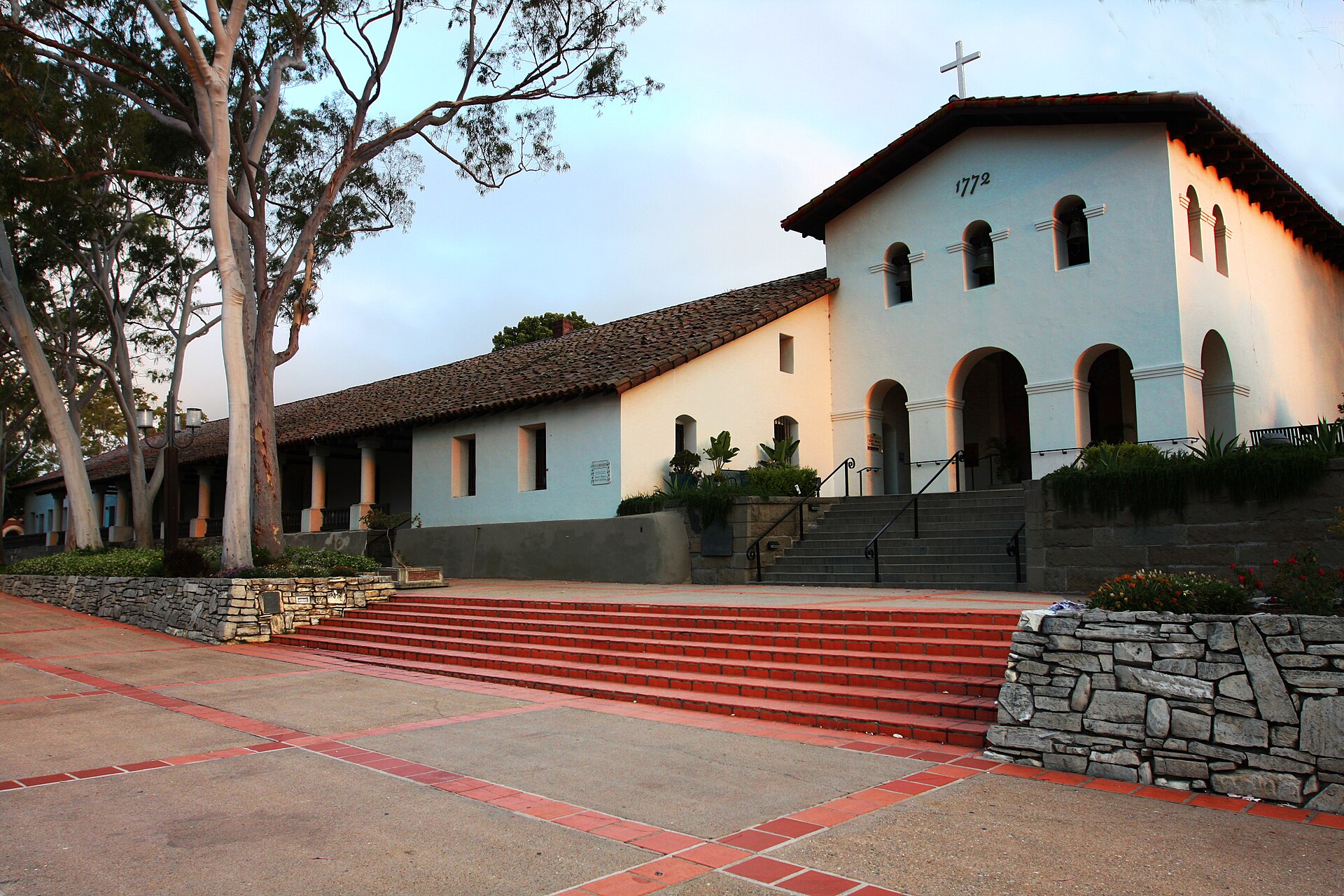
Dining out is one of SLO’s genuine pleasures. Casual options include High Street Deli and Firestone Grill. Sit-down choices include Novo, beside the creek, and Luna Red, next to the mission downtown. The Thursday Night Farmers Market on Higuera Street is a social institution, with vendors selling fresh produce, barbecue and prepared meals.
Coffee culture is strong. Kreuzberg, on Higuera Street, and Scout Coffee, which opened on Garden Street in 2014, are two local cafes.
Transportation: Cars, Parking, and Getting Around
San Luis Obispo is more walkable than most California cities its size, but it is still fundamentally car-dependent if you live outside the downtown core or need to travel for work. The walkability score downtown is genuinely good. Everywhere else, you need a car.
Gas on the Central Coast costs a little more than the California average, which is far above the national one: on September 27, 2026, AAA put regular at about $6.55 in the San Luis Obispo area, $6.35 statewide and $4.48 nationally, and the Costco station on Froom Ranch Way was charging about $6.30.
Parking downtown is manageable compared to LA or SF but still costs money. The city’s downtown parking garages charge $2 per hour with an $8 daily maximum (rates set in July 2024), and annual residential parking permits cost $20 each, with up to two per address.
SLO Transit runs fixed-route buses throughout the city, and RTA (Regional Transit Authority) connects SLO to nearby communities like Paso Robles, Morro Bay, and Los Osos. A SLO Transit 31-day pass costs $40 (single rides are $1.50), and the Regional 31-Day Pass, which also covers RTA and the other county systems, costs $68. The Amtrak Pacific Surfliner and Coast Starlight both stop at the historic SLO station, making car-free day trips to Santa Barbara or a weekend in Los Angeles genuinely feasible, which is a real perk that few cities of this size can offer.
Biking is viable in flat parts of the city, and Cal Poly’s presence means cycling infrastructure is better than average. If you live near campus and work near downtown, you could realistically go car-free, but it is the exception, not the rule.
Healthcare: Costs and Access
San Luis Obispo is served primarily by two hospital systems. French Hospital Medical Center (part of Dignity Health) and Adventist Health Sierra Vista (formerly Sierra Vista Regional Medical Center) handle most acute care needs. Both are located within the city.
Covered California marketplace plans are available, and income-based subsidies can substantially reduce premiums for residents earning near or below the median household income of $66,711. Students at Cal Poly have access to Campus Health and Wellbeing services.
Entertainment and Lifestyle Costs
This is where SLO earns its reputation. The quality of life per dollar spent on recreation is genuinely high. Cerro San Luis and Bishop Peak, two of the Nine Sisters peaks, both have hiking trails. Montana de Oro State Park, just south of Los Osos, has hiking trails and seven miles of shoreline. The Pacific is about 11 miles west. These are not small things.
The Edna Valley, just south of the city, and the Paso Robles wine region to the north both have wineries open for tasting.
The Palm Theatre, run by the non-profit SLO Film Center, shows independent films. Live music is frequent at SLO Brew Live at The Rock and at the Fremont Theater.
With 54.4% of residents holding a bachelor’s degree or higher, the cultural and intellectual life is more robust than the city’s size would suggest. There are frequent lectures, art installations, and community events tied to Cal Poly’s various departments and the SLO Museum of Art.
How SLO Compares to Santa Barbara and San Jose
Santa Barbara: Santa Barbara is SLO’s closest comparable in terms of coastal California setting, with a walkable downtown, wine country access and beach proximity. The tradeoff is fewer job opportunities and a smaller professional economy in SLO.
San Jose: The Bay Area comparison matters most for remote workers. If you can work remotely on a Bay Area income, relocating to SLO trades traffic and density for open space and a slower pace.
Honest Pros and Cons
The Real Advantages
- Climate: Consistently mild. Winters are mild and summers are usually warm rather than hot, although the hottest day of a typical year reaches about 100°F, most often in September or October, and the coldest winter nights dip into the low to mid 30s. This is not hyperbole; it is genuinely one of the best year-round climates in the continental United States.
- Outdoor access: Hiking, surfing, cycling, and wine country are all close to town. Few small cities match this density of recreation.
- Downtown quality: Higuera Street is a functional, locally-owned commercial corridor. The Thursday Night Farmers Market runs every Thursday and is a genuine community gathering point.
- Lower density than major CA metros: Traffic is frustrating by SLO standards but laughable compared to LA or the Bay Area. The overall pace of life is measurably slower.
The Real Downsides
- Housing cost vs. income mismatch: A median home at $896,500 against a median household income of $66,711 is a steep affordability gap. This city is expensive relative to what it pays.
- Limited professional job market: Outside of Cal Poly, healthcare, agriculture, and tourism, the local economy is thin. The 6.7% unemployment rate reflects this structural limit.
- College town energy: That 26.2 median age cuts both ways. The city is energetic and youthful, but it can feel transient. Long-term community roots are harder to build in a city with so many students.
- Limited diversity: SLO is predominantly white and college-educated, which shapes the cultural and social landscape in ways that not everyone will find comfortable.
- Geographic isolation: Greater Los Angeles and the Bay Area are both a long drive away. Specialists, major airports, and big-city amenities require real travel.
Who San Luis Obispo Is Right For
The remote worker with a portable income: If you earn a solid remote income and want California’s best climate without California’s worst housing markets, SLO is a serious option. You will still spend heavily on rent, but the lifestyle return per dollar is hard to beat.
The Cal Poly faculty member or university-adjacent professional: The university ecosystem creates a stable layer of mid-level professional jobs in education, research, and administration. If your career ties to academia, this city offers a quality of life that most comparable university towns cannot match geographically.
The active retiree with significant assets: If you are buying in cash or nearly so, the affordability math changes entirely. The climate, walkability, access to top-tier medical care in Santa Barbara or San Francisco, and the pace of life make SLO a genuinely compelling retirement destination for people who have already built wealth elsewhere.
The student or recent graduate willing to hustle locally: Cal Poly graduates who stay in SLO after school face a real income-to-cost challenge, and those who stay often look for work in local industries such as wine, hospitality and construction. The lifestyle subsidy from outdoor recreation and climate is real.
The Bottom Line
San Luis Obispo is not a city where the numbers make easy sense. A $66,711 median household income against an $896,500 median home value is a structural affordability problem that no amount of good weather fully resolves. The 30% poverty rate, largely student-driven but not entirely, signals that many residents are stretching to stay here.
What SLO offers in return is specific and hard to replicate: a compact, walkable downtown that actually works, outdoor recreation at a caliber that most Americans have to vacation to experience, a genuinely mild climate, and a social scene energized by a major university. For the right person with the right income, it is worth every dollar. For someone counting on the local job market to close the gap, the math is harder to make work.
Come here with your eyes open to the tradeoffs, and SLO will likely exceed expectations. Come here assuming the lifestyle will somehow solve the housing math, and you will find out quickly why the homeownership rate is only 39%.
Frequently Asked Questions
What is the average rent in San Luis Obispo CA in 2026?
Is San Luis Obispo CA expensive to live in?
What is the cost of buying a home in San Luis Obispo in 2026?
What are the best neighborhoods to live in San Luis Obispo CA?
Is San Luis Obispo a good place to live for remote workers?
Sources & methodology. Demographic and economic figures in this guide are drawn from the U.S. Census Bureau, 2019 to 2023 American Community Survey 5-Year Estimates, the most recent release available for San Luis Obispo. Other figures come from the sources named next to them.
Last reviewed September 2026.
How this guide was made. Figures come from the U.S. Census Bureau ACS 2019 to 2023 5-year estimates and the other sources named next to each number. A first draft was written with the help of an AI language model; every place name, price, date and claim was then checked against primary sources by the Small City Guide editors (see About and Methodology). Last verified: September 26, 2026.
What changed: Fact-checked against primary sources in September 2026: 11 statements corrected, opening rewritten.
Photo: Rennett Stowe, CC BY 2.0, via Wikimedia Commons.