Best Sarasota, FL Neighborhoods in 2026, Inside and Out
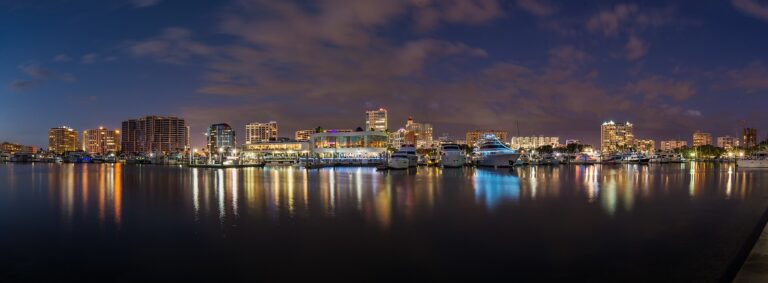
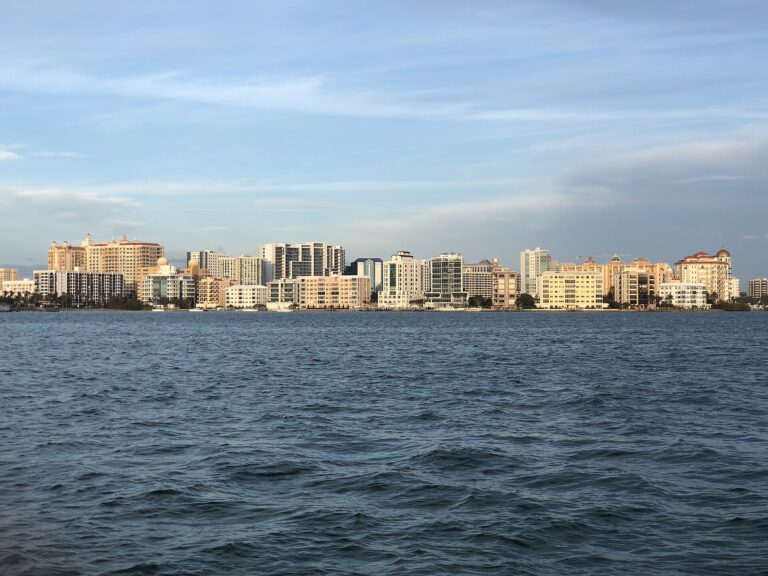
The City of Sarasota is smaller than its name suggests: about 56,000 residents, mostly on the mainland along Sarasota Bay, plus St. Armands Key, Lido Key and part of Siesta Key. Many places people call Sarasota, including Gulf Gate Estates, Sarasota Springs, Fruitville, most of Siesta Key and Lakewood Ranch, sit outside the city limits in unincorporated Sarasota or Manatee County. Hurricane Helene, which damaged or destroyed 3,137 buildings in Sarasota County in September 2024, and Hurricane Milton, which made landfall near Siesta Key on October 9, 2024, made flood zone and elevation as important as price. This guide covers neighborhoods inside the city and nearby communities, and says which is which.
The city itself is compact: most residents live on the mainland along the east shore of Sarasota Bay, and the city also takes in St. Armands Key, Lido Key and part of Siesta Key on the Gulf side. The mainland holds most of the residential fabric, from historic bungalow corridors near downtown to quiet suburban pockets in the north and south. The barrier islands, Siesta Key and Lido Key being the most prominent, sit just across the Intracoastal and command premium prices for the privilege of proximity to the water. Understanding which side of that geography fits your budget and daily routine is the first real decision you need to make.
The $1,514 median rent is a citywide figure across all rented homes, and rents vary by neighborhood. Here is how the neighborhoods break down.
The 6 Best Neighborhoods in Sarasota in 2026
1. Downtown Sarasota (Rosemary District and Burns Court)
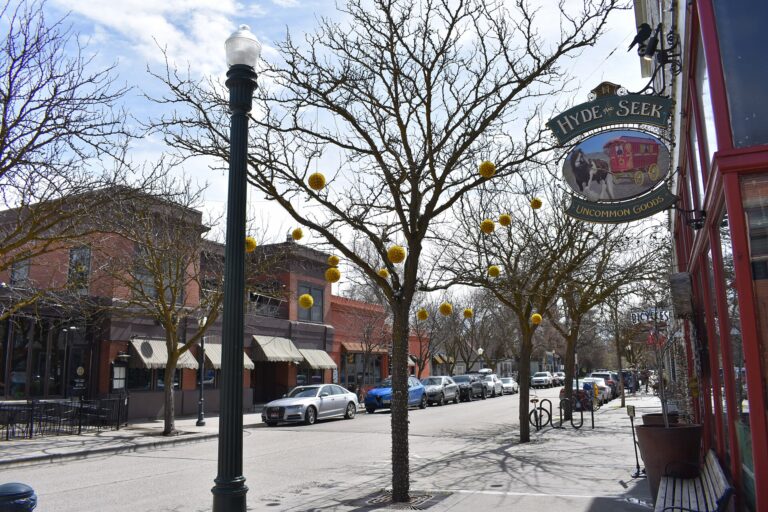
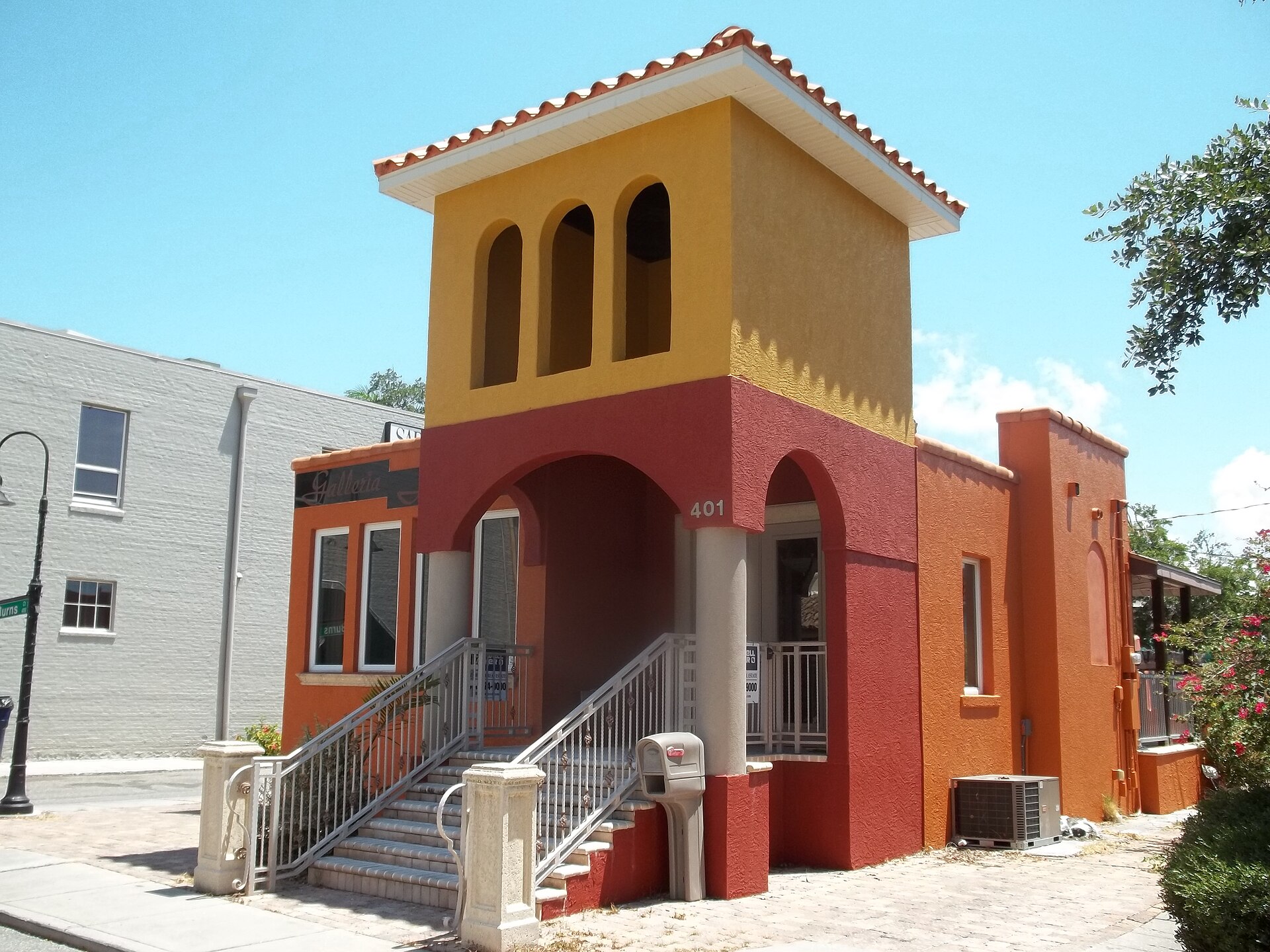
Downtown Sarasota is where the city’s cultural identity is most legible. The Rosemary District, just north of Main Street, has restaurants, artist studios, galleries and boutiques, a few blocks from the Saturday Sarasota Farmers Market at Main Street and Lemon Avenue. Burns Court, a few blocks south, is quieter, a street of cottages built in 1925 as the Burns Court subdivision, now part of the Burns Square Historic District.
Walkability: High. You can walk to the Sarasota Opera, the Farmers Market, Marie Selby Botanical Gardens, and a dozen restaurants without touching your car.
Best for: Professionals without kids, empty nesters who want culture on their doorstep, and anyone who genuinely wants to live car-light.
Schools: Public schools are run by Sarasota County Schools. Check the zoned school for a specific address.
Downsides: Noise from nightlife spills into the Rosemary District on weekends. Parking is genuinely frustrating. The new condo towers are changing the skyline fast, and not everyone thinks it is for the better.
2. Siesta Key
Siesta Key is the place people picture when they hear “Sarasota,” though most of the island is unincorporated Sarasota County and only a portion lies inside the city limits. Siesta Beach was named No. 1 in the contiguous U.S. in TripAdvisor’s 2020 Travelers’ Choice awards, and its sand is almost pure quartz, reflective enough that it feels cool underfoot even on the hottest days. The key has four main districts: Siesta Beach, Crescent Beach, Turtle Beach and Siesta Key Village. Living here is a genuine lifestyle choice, not just an address.
Walkability: Moderate in the village area. Outside the village, a car is necessary.
Best for: Retirees, remote workers with strong incomes, and second-home buyers.
Schools: Public schools are run by Sarasota County Schools. Check the zoned school for a specific address.
Downsides: Hurricane Milton made landfall near Siesta Key in October 2024, so check flood zone, elevation and insurance cost for any address before buying. The seasonal tourist economy means your neighborhood changes character every winter.
3. Southside Village and Gillespie Park
These two neighborhoods sit just east and south of downtown and represent what Sarasota looks like for people who want character without island prices. Southside Village is a small commercial node along Osprey Avenue and Hillview Street, behind Sarasota Memorial Hospital. Gillespie Park, a bit further north, sits next to downtown and the Rosemary District, with craftsman bungalows, Mediterranean revival and modern homes around a ten-acre park.
Walkability: Good to high. Both neighborhoods are bikeable to downtown and have independent restaurants and shops within walking distance.
Best for: Younger professionals, couples, and buyers priced off the barrier islands who still want urban proximity.
Schools: Public schools are run by Sarasota County Schools. Check the zoned school for a specific address.
Downsides: Crime and housing conditions vary block by block, so check specific streets before you commit.
4. Gulf Gate Estates
Gulf Gate Estates, an unincorporated community south of the city limits, lies south of Bee Ridge Road and had 11,118 residents at the 2020 census. Gulf Gate Drive runs through the middle of the community.
Walkability: Low to moderate. Most errands require a car.
Best for: First-time buyers, budget-conscious families, retirees on fixed incomes, and anyone who wants a move-in-ready home without a bidding war.
Schools: Public schools are run by Sarasota County Schools. Check the zoned school for a specific address.
Downsides: The community is unincorporated, so county rather than city government provides local services, and most errands require a car.
5. Lakewood Ranch (Sarasota/Manatee County)
Technically straddling the Sarasota-Manatee county line, Lakewood Ranch is a massive master-planned community that functions as its own suburban universe. It is run through the Lakewood Ranch Stewardship District and five community development districts, and it has three town centers, including Main Street and Waterside Place, its own hospital, Lakewood Ranch Medical Center, and more than 300 shops and restaurants.
Walkability: Low. This is car country. Everything is navigable, but walking or biking to errands is not realistic for most residents.
Best for: Families with children, buyers who prioritize school quality and new construction, and people relocating from similarly suburban markets in the Midwest or Northeast.
Schools: Schools depend on which side of the county line you buy: the Manatee County portion is served by the Manatee County School District, including Lakewood Ranch High School, and the Sarasota County portion by Sarasota County Schools. Check the zoned school for a specific address.
Downsides: HOA fees and CDD (Community Development District) charges add to your carrying costs, so check both for a specific address. The homogeneity and sheer scale of the development will feel sterile to people who want urban texture.
6. Sarasota Springs and Fruitville
These communities sit east and southeast of the city limits in unincorporated Sarasota County, largely off the radar of newcomers, and that is precisely why they belong on this list. Sarasota Springs had 12,521 residents and Fruitville 15,484 at the 2020 census.
Best for: Budget-conscious buyers, investors, and people who want a foothold in Sarasota without stretching beyond their means.
The Hidden Gem: Arlington Park
Arlington Park sits east of Southside Village, across US-41, and north of Siesta Drive, and most newcomers overlook it entirely. It centers on Arlington Park and Aquatic Complex, a city park with a public pool, and the park itself is the anchor.
Check the Block Before You Buy
Crime and housing conditions vary block by block in Sarasota, as in any city, and this guide does not rank neighborhoods by crime. Before choosing an address, visit in person at different times of day and check the Sarasota Police Department’s crime mapping page.
How to Choose the Right Neighborhood for You
The honest answer is that your budget will narrow the field faster than anything else. With a city median home value of $409,700, Sarasota is not cheap, and mortgage rates in 2026 mean the monthly payment on a median-priced home requires an income well above the city’s $70,065 median household income.
After budget, the questions are: Do you have kids in school? Do you want to walk places? Do you want beach access built into your daily life, or is the beach a weekend destination? Each of those questions maps to a different part of the city.
Final Pick by Lifestyle
- Best for retirees who want culture and walkability: Downtown Sarasota (Rosemary District or Burns Court)
- Best for beach lifestyle and budget is not the primary constraint: Siesta Key
- Best for families with school-age children: Lakewood Ranch
- Best for younger professionals and first-time buyers: Gillespie Park
- Best overall value for year-round residents: Gulf Gate Estates
- Best hidden gem for families: Arlington Park
Sarasota rewards people who do their homework. The city is small enough that a wrong neighborhood choice is fixable, but getting it right from the start means spending less time adjusting and more time actually living here. Pick your priorities, run the real numbers, and then drive the streets at 7am on a Tuesday. That will tell you more than any ranking ever could.
Frequently Asked Questions
What is the average cost of living in Sarasota, FL in 2026?
What are the safest neighborhoods in Sarasota, FL?
Is Sarasota a good place for families with kids?
How much do homes cost in Siesta Key, Sarasota in 2026?
What is the best affordable neighborhood in Sarasota, FL?
Sources & methodology. Demographic and economic figures in this guide are drawn from the U.S. Census Bureau, 2019 to 2023 American Community Survey 5-Year Estimates. A newer 2020 to 2024 release came out on January 29, 2026; this guide still uses the 2019 to 2023 figures. Other figures come from the sources named next to them.
Last reviewed September 2026.
How this guide was made. Figures come from the U.S. Census Bureau ACS 2019 to 2023 5-year estimates and the other sources named next to each number. A first draft was written with the help of an AI language model; every place name, price, date and claim was then checked against primary sources by the Small City Guide editors (see About and Methodology). Last verified: September 26, 2026.
What changed: Fact-checked against primary sources in September 2026: 7 statements corrected, 7 off-topic Census sentences removed, opening rewritten, photo replaced with a credited image of the city.
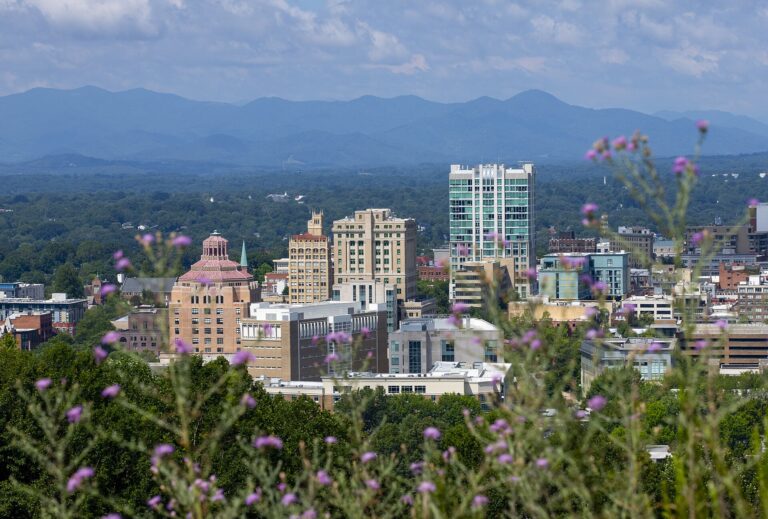
Photo: Ebyabe, CC BY-SA 3.0, via Wikimedia Commons.