Bozeman, MT Schools in 2026: A Parent’s Guide
Bozeman Public Schools (BSD7) runs eight elementary schools, two middle schools (Chief Joseph and Sacajawea) and two high schools, Bozeman High and Gallatin High, which opened in 2020 on the northwest side. Bridger Charter Academy, housed within Bozeman High, offers a smaller setting for students who need one. In May 2026 the district asked voters for new operating levies, saying staff wages have not kept pace with the rising cost of living in the Bozeman area.
Bozeman’s school system serves a city of 55,042 people where 65.1% of adults hold a bachelor’s degree or higher and Montana State University, the state’s largest university, is based. Growth has shaped the district: Gallatin High opened in 2020 to relieve crowding at Bozeman High, and in May 2026 the district asked voters for operating levies to help recruit and keep staff. Here is what parents moving to Bozeman need to know.
How the Bozeman School District Is Structured
Bozeman Public Schools (BSD7) runs the public school system inside city limits. It is organized into a traditional three-tier structure: elementary schools covering K-5, two middle schools covering grades 6-8, and two high schools covering grades 9-12. As of the 2025-2026 school year, the district operates eight elementary schools (Emily Dickinson, Hawthorne, Hyalite, Irving, Longfellow, Meadowlark, Morning Star and Whittier), two middle schools (Chief Joseph and Sacajawea), and two comprehensive high schools (Bozeman High and Gallatin High). Bridger Charter Academy, a small district-run charter housed on the Bozeman High School campus, rounds out the secondary options for students who need a smaller setting.
On the May 5, 2026 ballot, the district asked voters for General Fund operating levies of $1.2 million a year for elementary schools and $600,000 a year for high schools, to help recruit and keep staff, with the $1.8 million total matching the payments on 2006 bonds for the Bozeman High renovation, which are being paid off.
Top Public Elementary Schools
Longfellow Elementary
Located near the university district at 516 South Tracy Avenue, Longfellow carries a 9/10 GreatSchools rating.
Hawthorne Elementary
Hawthorne sits near downtown at 405 East Mendenhall Street and carries a 9/10 GreatSchools rating.
Morning Star Elementary
On Bozeman’s south side at 830 Arnold Street, Morning Star serves the Graf Street, Sundance Springs and South Meadow area on the district’s boundary map and carries a 9/10 GreatSchools rating.
Emily Dickinson Elementary
Located at 2435 Annie Street on the city’s northwest side, Emily Dickinson carries an 8/10 GreatSchools rating.
Whittier Elementary
Whittier, north of downtown, carries a 7/10 GreatSchools rating.
Middle Schools
Chief Joseph Middle School
Chief Joseph, on Kimberwicke Street in the Baxter Meadows area, serves the northern part of the city on the district’s boundary map, from the Legends area in the northeast to Harvest Creek in the northwest, and carries an 8/10 GreatSchools rating.
Sacajawea Middle School
Sacajawea covers the south side and the MSU area and carries an 8/10 GreatSchools rating as well.
High Schools
Bozeman High School
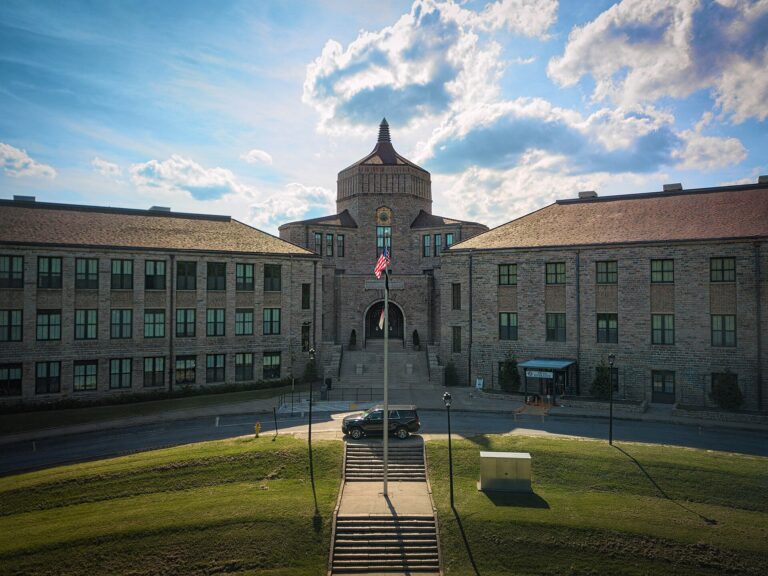
The district’s older comprehensive high school, Bozeman High carries an 8/10 GreatSchools rating and offers AP courses and dual-enrollment classes. GreatSchools reports a four-year graduation rate of 90% and an average ACT score of 22, against a Montana average of 19. The school enrolled 1,263 students in fall 2023, down from about 1,800 before Gallatin High opened in 2020, and Gallatin (1,480) is now the larger of the two.
Gallatin High School
Gallatin opened in fall 2020 on the northwest side to relieve overcrowding at Bozeman High. It offers diploma distinctions in career and technical education (CTE), fine arts, humanities and STEM, and GreatSchools reports a four-year graduation rate of 90%, the same as Bozeman High.
Bridger Charter Academy
For students who do not thrive in a large comprehensive high school, Bridger Charter Academy is a district-run charter school located within Bozeman High School. It offers core course credit through proficiency-based instruction on the same BSD7 standards in a smaller learning community. It is not an online school; students attend in person, and admission starts with a referral form that a student, family member or school staff member can submit.
Private Early Learning
Bozeman Montessori
Bozeman Montessori serves children from 6 months to 6 years. Its original campus, open since 2013, is on Equestrian Lane in the Baxter Meadows area of northwest Bozeman, and a south campus near Montana State University opened in 2022. Lead teachers are MACTE-certified, and tuition varies by program and is sent on request.
Charter Options
The district’s only charter school is Bridger Charter Academy, a small high school program housed within Bozeman High School that offers proficiency-based core courses in a smaller learning community.
Higher Education in and Around Bozeman
Montana State University is a public land-grant research university with R1 status and enrolled a record 17,165 students in fall 2025, more than any other college in the state. It offers the world’s only Master of Fine Arts in Science and Natural History Filmmaking.
For families with high schoolers thinking ahead, Gallatin College at MSU runs dual enrollment and early college programs that let Montana high school students earn college credit while still in high school. It also offers educational day camps for students in grades 6 through 12.
For community college options, Gallatin College is MSU’s two-year affiliate and sits on the MSU campus. It offers associate degrees and certificate programs in fields like aviation, welding technology, HVAC-R, CNC machining, medical assistant and cybersecurity.
Staffing and Cost of Living
Under the district’s 2026-2027 certified salary schedule, a new teacher with a bachelor’s degree starts at $50,242/year, which is difficult to sustain against a $1,611/month median rent. When it put operating levies on the May 5, 2026 ballot, the district said employee wages have not kept pace with the rising cost of living in the Bozeman area.
Best Neighborhoods for School Access
Near Montana State University
On the district’s boundary map, the blocks next to the MSU campus are zoned for Irving Elementary, and the area around Longfellow Elementary (516 South Tracy Avenue), between campus and downtown, is zoned for Longfellow. Both feed Sacajawea Middle School and Bozeman High.
South Bozeman (Graf Street, Sundance Springs and South Meadow)
South Bozeman, including the Graf Street area, is zoned for Morning Star Elementary (830 Arnold Street), Sacajawea Middle School and Bozeman High, according to the district’s boundary map.
West Bozeman (Harvest Creek)
Gallatin High was placed in the northwest part of the city, where most new development is located. On the district’s boundary map, Harvest Creek is zoned for Emily Dickinson Elementary, Chief Joseph Middle School and Gallatin High.
Northeast Side (Legends)
On the district’s boundary map, the Legends area is zoned for Hawthorne Elementary, Chief Joseph Middle School and Bozeman High.
A Final, Honest Assessment
Bozeman’s schools are a genuine asset. The city has a highly educated parent community (65.1% with a bachelor’s degree or higher), a large research university in town, and GreatSchools ratings of 7 to 9 out of 10 for every district elementary and middle school.
But the city’s cost structure creates real stress on the system. The district says staff wages have not kept pace with the rising cost of living in the Bozeman area, and a poverty rate of 14.8% sits below the surface of the city’s affluent reputation. None of these are dealbreakers.
The schools are good. The city is expensive. For families who can make the math work, it is a combination that is hard to find in the Mountain West right now.
Frequently Asked Questions
How many schools are in the Bozeman Public School District in 2026?
What is the average ACT score at Bozeman High School?
Are there Montessori schools in Bozeman, MT?
What college options are available in Bozeman for high school graduates?
Sources & methodology. Demographic and economic figures in this guide are drawn from the U.S. Census Bureau, 2019 to 2023 American Community Survey 5-Year Estimates. A newer 2020 to 2024 release came out on January 29, 2026; this guide still uses the 2019 to 2023 figures. Other figures come from the sources named next to them.
Last reviewed September 2026.
How this guide was made. Figures come from the U.S. Census Bureau ACS 2019 to 2023 5-year estimates and the other sources named next to each number. A first draft was written with the help of an AI language model; every place name, price, date and claim was then checked against primary sources by the Small City Guide editors (see About and Methodology). Last verified: September 26, 2026.
What changed: Fact-checked against primary sources in September 2026: 19 statements corrected, 9 off-topic Census sentences removed, opening rewritten, photo replaced with a credited image of the city.
Photo: Tim Evanson, CC BY-SA 2.0, via Wikimedia Commons.