
Cost of Living in Chattanooga, TN (2026)
Chattanooga’s median gross rent is $1,155 a month and its median home value is $259,200, against national figures of $1,348 and $303,400 in the same 2019-2023 Census survey. The median household income of $61,028 is also below the national $78,538, so the savings come mainly from housing and from Tennessee having no personal income tax. The costs that bite are a car for almost everyone outside downtown and 30-year mortgage rates that were back near 7% by late September 2026.
Here’s the honest picture, built on real numbers, real neighborhoods, and the tradeoffs nobody puts in the relocation brochure.
Chattanooga at a Glance
With a population of 182,832 (U.S. Census Bureau, 2019-2023 ACS 5-Year Estimates), Chattanooga is large enough to have a functioning arts scene, multiple hospital systems, and genuine neighborhood variety, but small enough that you will learn its rhythms inside a year. The median age is 36.6 years, which tracks with what you see on the streets: a mix of young professionals drawn by remote-work infrastructure and the outdoor lifestyle, alongside longtime working-class families who have been here for generations.
The city anchors the far southeast corner of Tennessee, roughly equidistant from Atlanta (about 118 miles southeast) and Nashville (about 135 miles northwest). That geography matters for your career options. If your employer is in either metro, Chattanooga can function as a lower-cost base, though neither commute is something you’d do daily.
The median household income is $61,028 per year, which looks reasonable until you factor in the city’s 17.6% poverty rate. That gap tells a story about uneven growth. The downtown boom has been real, but it has not lifted every neighborhood equally, and Chattanooga still has significant pockets of economic hardship. About 35.5% of residents hold a bachelor’s degree or higher, roughly in line with the national figure of 35.0%.
Housing Costs: Renting and Buying in 2026
The Census-verified median gross rent sits at $1,155 per month. What that number actually buys you depends heavily on where you land.
Renting by Neighborhood
North Shore, across the river from downtown, is connected by bridges to the Riverwalk and has a walkable, neighborhood feel.
Downtown/South Side puts you close to the riverfront and the free downtown shuttle. The energy is there, but so is the noise on weekend nights.
East Brainerd and Ooltewah are suburban and car-dependent, but families with school-age kids often prioritize it for the Hamilton County school options and the space they get per dollar.
St. Elmo, a historic district in the valley at the base of Lookout Mountain, is an older neighborhood where the Lookout Mountain Incline Railway starts its climb up the mountain.
Red Bank and Hixson to the north are suburban, and you should plan to drive everywhere.
Buying a Home
The Census-verified median home value for Chattanooga is $259,200. Prices vary widely by neighborhood around that midpoint.
The homeownership rate is 53.1%, well below the national rate of 65.0% in the same Census survey, so a larger share of households rent here than in the typical U.S. community. With a 20% down payment on the median home, principal and interest on a 30-year loan came to about $1,257 a month at the roughly 6.1% average rate of early 2026, and about $1,384 at the 7.03% average Freddie Mac reported on September 24, 2026, before property taxes and insurance. That’s not far above the median rent, which helps explain why buying makes sense for residents who can assemble a down payment and plan to stay five or more years.
Food and Groceries
Whole Foods Market has a Chattanooga store at 301 Manufacturers Road.
The restaurant scene has genuinely improved over the past decade. Places like Public House, Easy Bistro, and Bridgeman’s Chophouse have real culinary ambition. That said, if you’re coming from a major metro, late-night dining options are limited.
Transportation
Let’s be straightforward: Chattanooga is a car-dependent city. The CARTA bus system exists and has improved, and the free downtown electric shuttle is genuinely useful for the immediate riverfront area. But if you live in East Brainerd, Red Bank, or any of the sprawling suburban corridors, a car is not optional.
One genuine bright spot: Chattanooga built one of the first municipally owned gigabit fiber internet networks in the country. EPB Fiber, the city’s electric power board, offers its 1 GIG plan for $67.99 per month. For remote workers, this is a real quality-of-life win that rarely gets enough attention.
Healthcare
Chattanooga has two major hospital systems anchoring its healthcare landscape. Erlanger Health System, a Level I trauma center affiliated with the University of Tennessee College of Medicine Chattanooga, handles the city’s most complex cases and has multiple campuses. CHI Memorial (part of CommonSpirit Health) is the other major system.
The unemployment rate of 4.9% suggests a reasonably active labor market, but many of the available jobs in manufacturing and logistics come with variable benefit packages. If you’re self-employed or joining a small company, budget carefully for healthcare premiums, as Tennessee did not expand Medicaid under the ACA, which leaves a notable coverage gap for lower-income residents.
Entertainment and Lifestyle
This is where Chattanooga genuinely punches above its weight. The Tennessee Aquarium on the riverfront is world-class and draws visitors from across the Southeast. Rock City and Ruby Falls on Lookout Mountain are kitschy in the best possible way. For serious outdoor activity, the access is remarkable: the Cumberland Trail, Signal Mountain, Chickamauga Creek, and the Tennessee River Gorge are all close to the city.
A Tennessee Aquarium family membership is $210 per year and covers two named adults and up to five children, and a two-person Dual membership is $145.
The Chattanooga Symphony, Theatre Centre, and the Hunter Museum of American Art keep the cultural calendar full. Riverbend Festival, the downtown music festival held since 1982, has been on hiatus since 2024; its last edition was in 2023. You don’t need to spend a lot to have a genuinely full life here.
How Chattanooga Stacks Up Against Atlanta and Nashville
The two obvious comparisons are the cities Chattanooga most often competes with for residents.
Atlanta has a median household income of $81,938, against Chattanooga’s $61,028, but its median gross rent is $1,617 and its median home value is $420,600 (Census, 2019 to 2023), and the metro’s traffic is a quality-of-life cost that doesn’t show up in salary calculators. Atlanta offers more career depth, better airport connectivity, and a larger cultural footprint. You pay for all of it.
Nashville has a median gross rent of $1,486 and a median home value of $383,100 (Census, 2019 to 2023), against Chattanooga’s $1,155 and $259,200. Nashville’s job market is larger and more diverse, and the entertainment industry presence is unique. But the cost premium is substantial.
Chattanooga’s sweet spot is clear: lower housing costs than either metro, outdoor access that neither can match, and decent enough connectivity that remote workers, retirees, and small-business owners don’t have to sacrifice much.
The Honest Pros and Cons
What Works
- Housing affordability relative to peers. A $259,200 median home value sits well below the national median of $303,400.
- Outdoor access. Few cities this size offer rock climbing, kayaking, and serious hiking this close to a functioning downtown.
- EPB Gigabit fiber. Fast, reliable, competitively priced. A meaningful advantage for remote workers.
- Growing food and arts scene. Not Nashville, but no longer an afterthought either.
- No state income tax. Tennessee has levied no personal income tax of any kind since the Hall tax on interest and dividends was repealed in 2021, which adds real dollars back to your take-home pay.
What Doesn’t
- Car dependency. Outside of a small downtown core, you need a car. Full stop.
- Poverty and inequality. A 17.6% poverty rate means real hardship exists alongside the gentrified riverfront, and social services are stretched.
- Job market limitations. The 4.9% unemployment rate and a local economy anchored in manufacturing and tourism means career options for specialized professionals can feel narrow.
- Medicaid gap. Tennessee’s refusal to expand Medicaid leaves lower-income residents in a difficult position for healthcare access.
- Nightlife and late-night dining. The city quiets down early by big-city standards.
- Traffic is improving, but I-24 during morning rush hour is still genuinely bad.
Who Should Move to Chattanooga
The remote worker from a high-cost metro. If you’re earning a San Francisco or New York salary and can work from anywhere, Chattanooga is an obvious arbitrage play. You keep the paycheck, ditch the commute, and gain the river and the mountains nearby.
The outdoor-lifestyle family. With a median home value of $259,200, against $383,100 in Nashville and $420,600 in Atlanta, owning a home with a yard is within reach for more households here. The school options require research (Hamilton County has wide variance), but the combination of affordable ownership, access to nature, and a tight-knit neighborhood culture is hard to replicate at this price point.
The retiring couple from a high-cost state. No state income tax on wages, investment income or retirement income, two solid hospital systems, and a walkable downtown for culture and dining.
The young professional starting out. The median gross rent of $1,155 per month is achievable on a local salary, especially with a roommate. Entry-level roles in healthcare, logistics, and the growing tech sector are available. The cost of living creates breathing room to build savings in a way that’s nearly impossible in Nashville or Atlanta at the same career stage.
The Verdict
Chattanooga is not a perfect city. The poverty rate is high, the car dependency is real, and the job market has genuine gaps. But it offers a combination of outdoor access, housing affordability, and quality of life that is increasingly rare. The median household income of $61,028 goes a long way here. A $259,200 median home value is still attainable for a dual-income household. And the city’s investment in infrastructure, from EPB fiber to the Riverwalk, signals an intentional long-term vision rather than accidental growth.
If your priority is career advancement in a specialized field, Atlanta or Nashville will serve you better. If your priority is living well on a reasonable income in a city with actual personality and mountains in the backyard, Chattanooga makes a very compelling case.
Frequently Asked Questions
What is the average rent in Chattanooga TN in 2026?
Is Chattanooga TN cheaper than Nashville?
What salary do you need to live comfortably in Chattanooga TN?
What are the safest and most popular neighborhoods in Chattanooga?
Does Chattanooga TN have good internet service?
Sources & methodology. Demographic and economic figures in this guide are drawn from the U.S. Census Bureau, 2019 to 2023 American Community Survey 5-Year Estimates. A newer 2020 to 2024 release came out on January 29, 2026; this guide still uses the 2019 to 2023 figures. Cost estimates combine these official figures with current local listings and are rounded for readability.
Last reviewed September 2026.
How this guide was made. Figures come from the U.S. Census Bureau ACS 2019 to 2023 5-year estimates and the other sources named next to each number. A first draft was written with the help of an AI language model; every place name, price, date and claim was then checked against primary sources by the Small City Guide editors (see About and Methodology). Last verified: September 26, 2026.
What changed: Fact-checked against primary sources in September 2026: 8 statements corrected, opening rewritten, photo replaced with a credited image of the city.
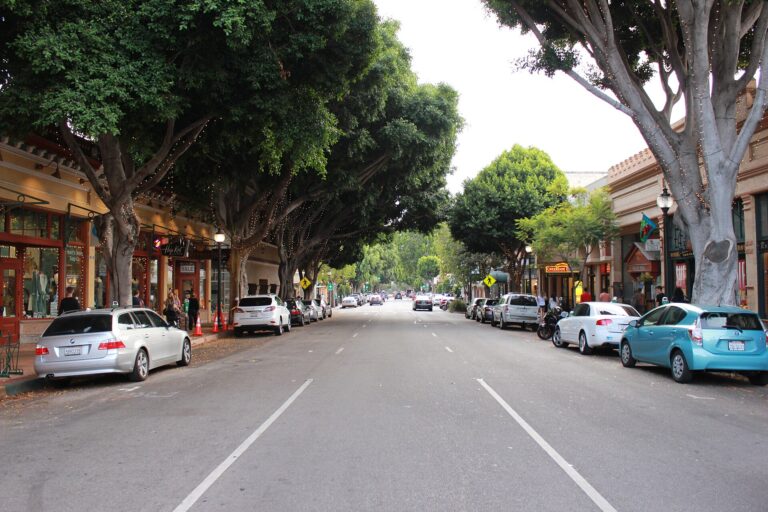
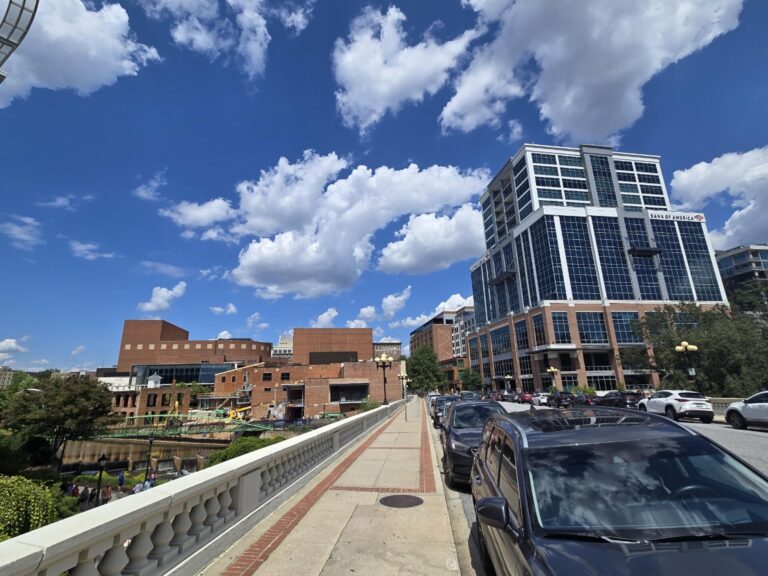
Photo: Breethol, CC BY-SA 4.0, via Wikimedia Commons.