Provo, UT Cost of Living in 2026: Housing and Transit
Provo, 43 miles south of Salt Lake City, is home to Brigham Young University and its more than 35,000 students, which shapes nearly every cost in town. The Census puts the median gross rent at $1,152 and the median home value at $437,100, against a median household income of $62,800. Only 39.9% of homes are owner-occupied. This guide breaks down housing, transportation, food and other costs for someone moving here in 2026.
This guide walks through the main cost categories, using figures from the sources named next to them.
Provo at a Glance
Provo sits about 43 miles south of Salt Lake City in Utah County, pressed up against the Wasatch Mountains to the east. The population is 114,303, making it a legitimate mid-sized city, not a small college outpost. But the median age of 23.7 years tells you almost everything about its personality. BYU’s 35,000-plus students are a large part of that.
The median household income is $62,800 and the poverty rate is 22.3%.
For outdoor recreation, Provo Canyon runs through Utah County and Wasatch County, and Sundance Mountain Resort is about 13 miles from Provo. If your lifestyle centers on mountains, that matters to the quality-of-life calculus here.
Housing Costs: Renting in Provo
The Census Bureau’s verified median gross rent for Provo is $1,152 per month. That figure, drawn from the 2019-2023 American Community Survey, is a citywide median, so it does not show how rents vary by neighborhood or unit type.
The homeownership rate is 39.9%. With a median home value of $437,100, a 20 percent down payment is about $87,400. Freddie Mac’s weekly survey put the average 30-year fixed rate at 7.03% as of September 24, 2026. At that rate, monthly principal and interest on the remaining $349,680 comes to about $2,333, or roughly 45 percent of the $62,800 median household income.
Buying a Home in Provo
The Census median home value for Provo is $437,100, the figure used in the mortgage math above.
Food and Groceries
Grocery options include Macey’s at 1400 North State in Provo and the Costco warehouse at 648 East 800 South in Orem.
Transportation
Provo’s transportation page notes that certain BYU and UVU ID cards also work as UTA transit passes, and that The Ryde shuttle, which serves housing areas around campus, is free for BYU students.
Utah Transit Authority (UTA) serves Provo with bus routes, the UVX bus rapid transit line for short trips in the Provo-Orem area, and the FrontRunner commuter rail, which runs from Provo Central station through Salt Lake City to Ogden. UTA’s FAREPAY card caps fares at $5 a day and $20 a week on local bus, TRAX, S-Line and UTA On Demand, and at $10 a day and $40 a week on premium services such as FrontRunner.
Downtown Provo has more than 10,000 parking spaces, and the city recommends parking garages for stays longer than two hours.
Healthcare
Utah Valley Hospital in Provo, operated by Intermountain Health, is a 395-bed tertiary and acute care referral center and a Level II trauma center serving Utah County and central and southern Utah. Brigham Young University runs a Student Health Center on campus for its students.
Entertainment and Lifestyle
A Utah State Parks standard annual pass costs $125. At Sundance Mountain Resort, the 2026/2027 adult S-Card costs $119 including the first day, and adult day tickets with the card then cost $109. The America the Beautiful resident annual pass, which covers national parks such as Arches, Zion and Bryce Canyon, costs $80.
The Covey Center for the Arts, at 425 West Center Street, hosts plays, ballets, art showcases and musical performances. The Brigham Young University Museum of Art is free and open to all, and Utah Lake State Park, at 4398 West Center Street, offers paddleboarding and kayaking.
Provo vs. Salt Lake City and Ogden
Comparing Provo to its two nearest larger reference points gives important context.
Provo vs. Salt Lake City
Salt Lake City is 43 miles north of Provo. FrontRunner connects the two, and riders can transfer to TRAX at the North Temple and Salt Lake Central stations.
Provo vs. Ogden
Ogden is about 40 miles north of Salt Lake City, at the northern end of the FrontRunner line, and is home to Weber State University. The Snowbasin ski resort is in Weber County near Huntsville, and Powder Mountain is about 19 miles from Ogden.
Honest Pros and Cons
The Real Upsides
- Outdoor access. Provo Canyon and Sundance Mountain Resort, about 13 miles from Provo, are both in Utah County.
- Utah’s Silicon Slopes tech region, centered on Salt Lake City and Provo with its largest cluster in and around Lehi, puts tech jobs within reach.
The Real Downsides
- The poverty rate is 22.3%, according to the Census.
- Cultural homogeneity is real. Most residents are members of The Church of Jesus Christ of Latter-day Saints, which also operates BYU. If you are not LDS or a college student, the social scene can take effort to navigate.
- Buying is hard on a median income. On a $62,800 median household income, buying that $437,100 median home is genuinely difficult and requires dual incomes or substantial savings.
Who Provo Is Right For
Not everyone will thrive here. But for certain profiles, Provo is a strong fit.
The Young Tech Professional
Someone with a software or product role in the Silicon Slopes region, whose largest tech cluster is in and around Lehi, can live in Provo and work in that corridor. Remote workers have even more latitude.
The Young Family (LDS-aligned)
Provo’s young population, with a median age of 23.7, makes it a natural landing spot for some families. The challenge is housing costs, and the mortgage math above shows how hard a median-priced home is on one median income.
The BYU Student or Recent Grad
Certain BYU ID cards work as UTA transit passes, and The Ryde shuttle is free for BYU students. For those transitioning out of student status while staying in Provo, the affordability equation changes fast.
The Outdoor Enthusiast Willing to Drive for Culture
Someone who genuinely spends weekends skiing, hiking, and camping, and does not need a walkable restaurant scene, will find the quality-to-cost ratio compelling. Salt Lake City is 43 miles north, and FrontRunner connects the two cities. This profile works particularly well for single adults or couples without children.
The Bottom Line
Provo is not cheap in any absolute sense. A median home value of $437,100 against a median household income of $62,800 creates a real affordability gap that the pretty mountain backdrop does not close. The median rent of $1,152 is a citywide figure and does not show what a given neighborhood or unit type costs.
That said, Provo suits specific people: tech workers in the Silicon Slopes region, families embedded in the local culture, and outdoor-focused residents who want to live near Provo Canyon and Sundance.
Move here with clear eyes about the cultural environment and what that $437,100 median home actually looks like in person. Do that, and Provo can be an excellent chapter. Go in expecting a cheaper Salt Lake City, and you will be surprised how quickly the numbers stop working.
Frequently Asked Questions
What is the average rent in Provo, UT in 2026?
Is Provo, UT affordable for families in 2026?
How does the cost of living in Provo compare to Salt Lake City?
What are the main employers and job opportunities in Provo, UT?
What is the cost of buying a home in Provo, UT in 2026?
Sources & methodology. Demographic and economic figures in this guide are drawn from the U.S. Census Bureau, 2019 to 2023 American Community Survey 5-Year Estimates. A newer 2020 to 2024 release came out on January 29, 2026; this guide still uses the 2019 to 2023 figures. Other figures come from the sources named next to them.
Last reviewed September 2026.
How this guide was made. Figures come from the U.S. Census Bureau ACS 2019 to 2023 5-year estimates and the other sources named next to each number. A first draft was written with the help of an AI language model; every place name, price, date and claim was then checked against primary sources by the Small City Guide editors (see About and Methodology). Last verified: September 26, 2026.
What changed: Fact-checked against primary sources in September 2026: 5 statements corrected, opening rewritten, photo replaced with a credited image of the city.
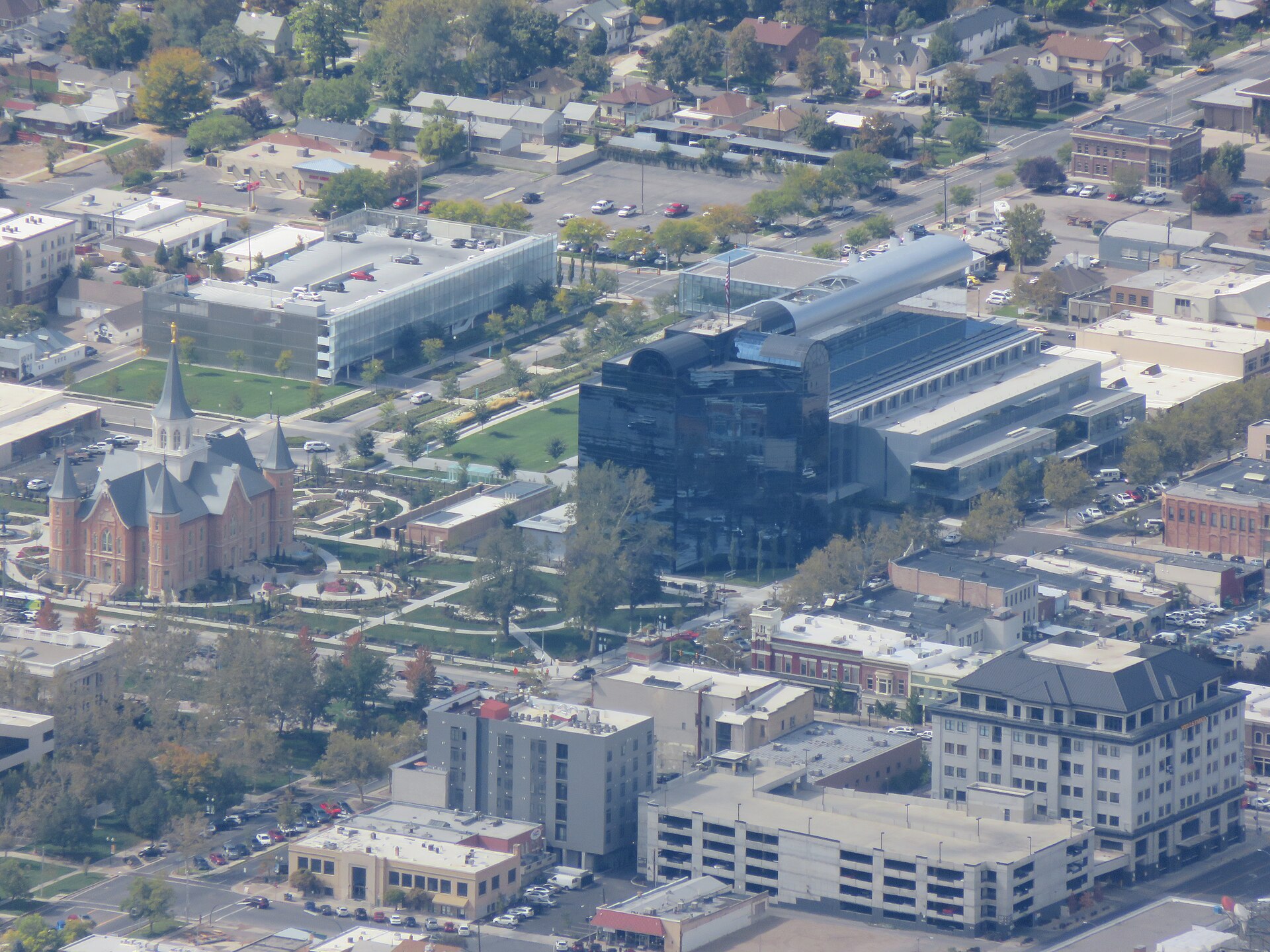
Photo: Benjam63, CC BY-SA 4.0, via Wikimedia Commons.