Things to Do in Chattanooga, TN (2026 Guide)
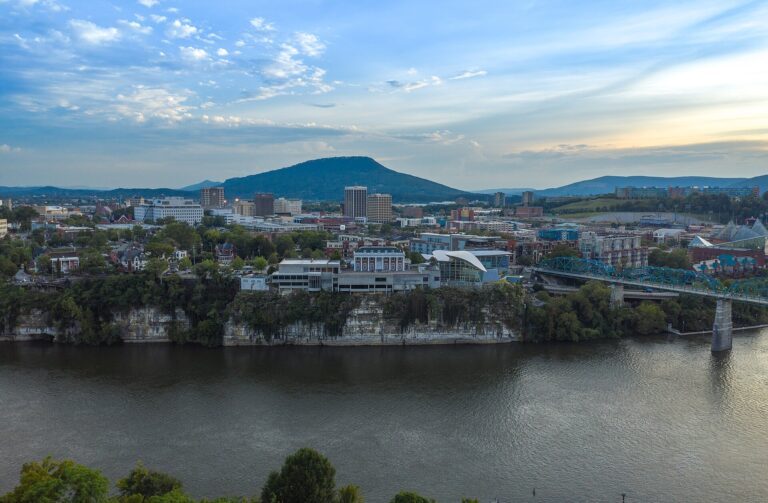
Chattanooga’s weekends are built around the Tennessee River and the ridges above it: the 13-mile Tennessee Riverwalk, the Walnut Street Bridge (its grand reopening after an 18-month rehabilitation is set for October 3, 2026), Point Park on Lookout Mountain, and climbing and hiking in the Tennessee River Gorge. Downtown, the Tennessee Aquarium, open since 1992, anchors a riverfront that hosts the Head of the Hooch regatta each November, and the Chattanooga Market fills the First Horizon Pavilion on the Southside every Sunday from April through December. In April 2026 the Lookouts moved into their new ballpark, Erlanger Park, in the South Broad District.
The Culture of Chattanooga: What Kind of City Is This?
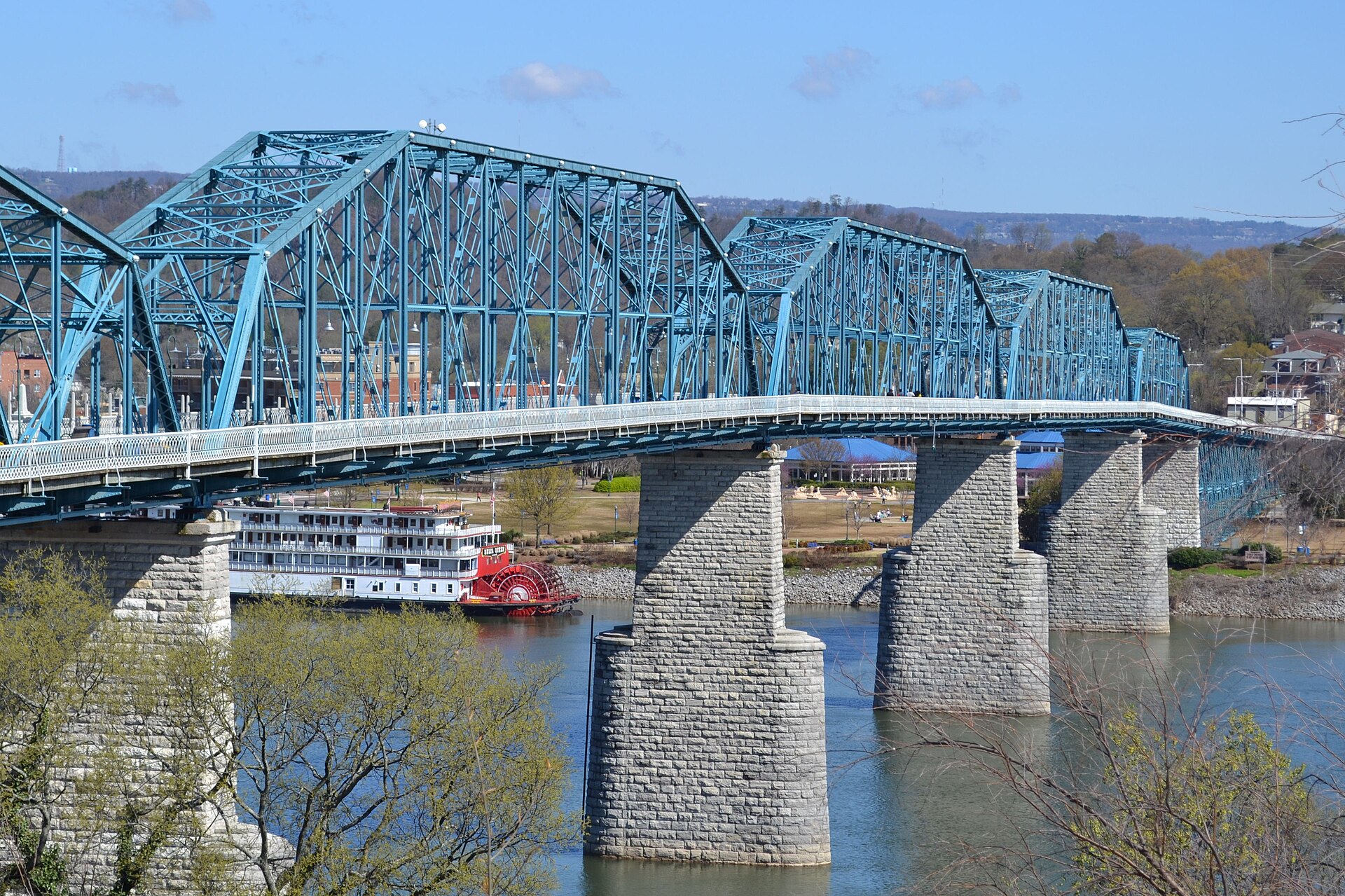
Chattanooga sits at the corner of Tennessee, Georgia, and Alabama, which means it has always been a crossroads city. That shows up in the culture. You’ll find a serious outdoor recreation community, a growing food scene that leans Southern but isn’t stuck there, and a downtown that has drawn heavy public and private investment since the 1990s. The Tennessee Aquarium, which opened in 1992, was the anchor of that revival. The Walnut Street Bridge, a 2,376-foot truss bridge from 1890 that reopened as a pedestrian walkway in 1993, became the spine of a reinvented North Shore neighborhood.
Chattanooga is not a uniformly polished city. It is, however, a genuinely interesting one.
Top Outdoor Activities and Parks
This is where Chattanooga earns its reputation. The Tennessee River Gorge starts practically at city limits, and Lookout Mountain rises just past the southern edge of downtown, climbing from about 676 feet in the city to about 1,850 feet at the town of Lookout Mountain on its crest. These are not distant day trips. They are Tuesday afternoon options.
Lookout Mountain
Rock City, Ruby Falls, and Point Park are the marquee attractions, and all three are worth your time. Point Park, managed by the National Park Service, is part of the Chickamauga and Chattanooga National Military Park. Ruby Falls is an underground waterfall discovered in 1928 deep inside Lookout Mountain, reached by a 260-foot elevator descent. Yes, it’s a tourist attraction. It’s also genuinely spectacular. Go on a weekday morning to avoid the worst of the crowds.
Raccoon Mountain Caverns and Reservoir
Less famous than Ruby Falls, Raccoon Mountain Caverns offers cave tours with far fewer crowds and a more raw, less produced feeling. The pumped-storage reservoir on top has mountain biking trails that locals rate highly. It’s the kind of place you discover by knowing someone who lives here.
Tennessee Riverwalk
Thirteen miles of paved path running along the Tennessee River, connecting downtown to Chickamauga Dam. Cyclists, runners, and families with strollers all share it. It’s free, it’s flat, and it’s one of the best urban trail systems in the South.
Prentice Cooper State Forest
More than 24,000 acres of ridge and valley terrain on the west side of the Tennessee River Gorge. Hikers come here for the south end of the Cumberland Trail, 35 miles of hiking trails and two designated camping areas. This is not a manicured park. Bring a map and water.
Climbing at the Tennessee Wall and Foster Falls
Foster Falls, west of the city near Sequatchie in Fiery Gizzard State Park, is a popular sport climbing area with routes across a wide range of difficulty. The Tennessee Wall, on River Canyon Road in the Tennessee River Gorge just outside the city, is one of the main traditional (trad) climbing crags in the Southeast.
Best Restaurants in Chattanooga
The food scene here has matured considerably over the past decade without becoming precious about it. You can eat extremely well, and you don’t have to choose between authenticity and quality.
Niedlov’s Breadworks
A Southside bakery at 215 E. Main St., closed on Sundays. The bread is the draw and the coffee is serious. Its brunch menu is served all day on Saturdays.
Easy Bistro and Bar
The most serious fine dining option in the city center. Chef Erik Niel has been cooking thoughtful, Southern-influenced food here for years, and the cocktail program matches the kitchen. Reservations are worth making in advance on weekends.
Champy’s Famous Fried Chicken
No list of Chattanooga restaurants is complete without Champy’s. The fried chicken is exactly what it should be: crispy, juicy, aggressively seasoned. The downtown location at 526 E. M.L. King Boulevard, the chain’s home turf since the first Champy’s opened in Chattanooga in 2009, has character that the newer spots can’t quite replicate. It gets loud and it gets busy. That’s the point.
Main Street Meats
A butcher shop and restaurant on East Main Street in the Southside that takes charcuterie seriously. The butchery is whole-animal and done in-house, and the burger is the dish the restaurant itself points to.
Nightlife and Breweries
Chattanooga’s craft beer scene is anchored by a handful of strong local producers, and the nightlife is concentrated enough to be walkable on a good night out.
Oddstory Brewing, with taprooms on Central Avenue and on M.L. King Boulevard, brews its own beer and runs both taprooms seven days a week. Hutton and Smith Brewing leans hop-forward, with a core lineup built around its Igneous IPA and Tectonic Session IPA (a 2022 Great American Beer Festival bronze medal winner), and its taproom has a cat bar and welcomes dogs.
For live music, The Signal, a 1,500-capacity concert hall inside the Chattanooga Choo Choo complex, books a wide mix of touring acts. The Read House Hotel, whose main building dates to 1926, has a Bar & Billiards Room serving cocktails and light fare.
Family-Friendly Options
Chattanooga is genuinely good with kids, not just theoretically good. The Tennessee Aquarium is the headliner: two buildings covering freshwater and ocean ecosystems, an IMAX theater, and river boat cruises that depart right from the plaza. Budget about $35 to $40 per adult and plan two to three hours minimum.
Creative Discovery Museum on Chestnut Street is a hands-on science and art museum built specifically for younger children. It’s well designed and rarely overwhelming. The Chattanooga Zoo at Warner Park is small but solid, with conservation and wildlife rehabilitation programs. Coolidge Park on the North Shore has an 1894 Dentzel carousel, an interactive water fountain, and river views. On rainy days, the Chattanooga Public Library’s Downtown Library has a full floor for children’s and young adult materials.
Day Trips
One of Chattanooga’s genuine advantages is its geographic position. Several good day trips start from here.
- Nashville, TN (134 miles northwest): A full city day trip for music, food, and the honky-tonk experience on Broadway.
- Great Smoky Mountains National Park (northeast, beyond Knoxville, which is itself 112 miles from Chattanooga): The most-visited national park in the country. Go on a weekday and arrive early to avoid the Cades Cove and Newfound Gap crowds.
- Mentone and Little River Canyon, AL (southwest, on Lookout Mountain near Fort Payne): One of the most underrated outdoor destinations in the Southeast. The 23-mile Little River Canyon Rim Parkway follows the canyon’s western rim, and the town of Mentone sits atop Lookout Mountain.
- Ocoee River (east, in Polk County): Class III and IV whitewater rafting on the Middle Ocoee, and the upper section hosted the whitewater slalom events of the 1996 Olympics.
- Athens, TN (north, almost halfway to Knoxville): A small town reached on I-75, and on the way there, in Cleveland, the Museum Center at 5ive Points, a history museum covering the Ocoee Region of Southeast Tennessee.
Annual Events and Festivals
Chattanooga’s event calendar is busiest in spring and fall, which also happen to be the best seasons weather-wise. Summers are hot and humid enough to matter, and winters are mild but gray.
Chattanooga Market runs every Sunday from April through December at the First Horizon Pavilion on the Southside, and its organizers now also hold weekly markets at Erlanger on Wednesdays and in the Foundries District on Thursdays. It’s a proper farmers and artisan market with local produce, prepared food, and live music, drawing regulars every Sunday from 11 a.m. Riverbend Festival, which has not been held since 2023 after its organizers paused it in 2024 to restructure, was for four decades the city’s signature outdoor music event, running across multiple stages over several days along the riverfront. Past lineups have included major country, rock, and Americana acts alongside regional favorites. 4 Bridges Arts Festival in April is one of the better juried fine art festivals in the Southeast, held at the First Horizon Pavilion with more than 140 artists; the 2027 festival runs April 16 to 18, with $6 entry. Chattanooga Film Festival, held in June in 2026 (June 18 to 21, at the Chattanooga Theatre Centre), has developed a national reputation for genre film programming. Head of the Hooch Regatta in November draws competitive rowers from across the country to the Tennessee River for one of the largest rowing regattas in the South.
Hidden Gems Locals Actually Love
Not every Chattanooga landmark shows up on the tourism board’s website. A few worth knowing about:
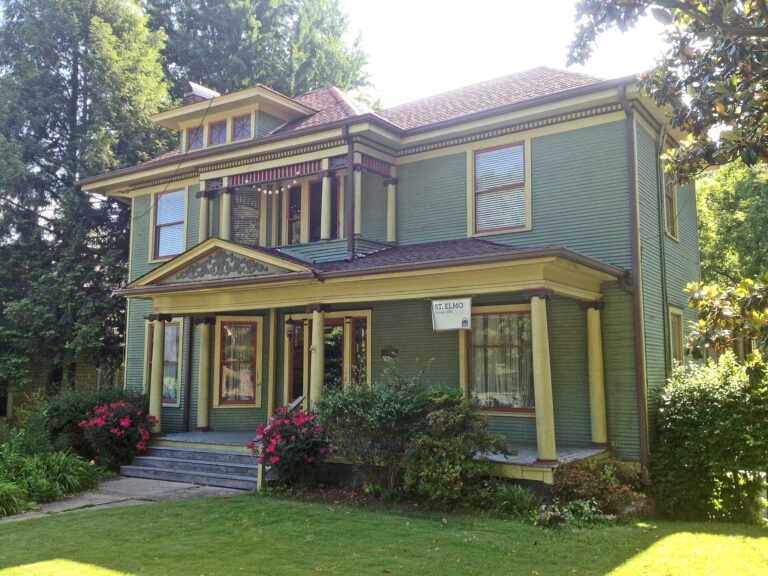
- St. Elmo neighborhood: A historic district at the base of Lookout Mountain, where an incline first carried passengers up the mountain in 1887. Locally owned restaurants include Little Coyote, opened in fall 2023 by the owners of Easy Bistro.
- The Passage: An interactive public art installation at Ross’s Landing, beside the Tennessee Aquarium, that marks the site where the Trail of Tears began in Chattanooga.
- Stringer’s Ridge Park: A 92-acre forested ridge in the middle of the city with trailheads on Old Bell Avenue and Spears Avenue in North Chattanooga. The views of the river and downtown from the top are better than most people realize.
- Songbirds: The former Songbirds Guitar Museum, which closed in 2020 and relaunched as a nonprofit, is now Songbirds at 1407A Market Street, a music venue and creative education program for students. Check its calendar before visiting.
Weekend Itinerary Suggestion
If you have two days and want to get an honest feel for the city, here’s a framework that actually works.
Saturday morning: Coffee and breakfast at Niedlov’s on East Main Street in the Southside, then a drive to Coolidge Park on the North Shore, then walk the Walnut Street Bridge to the Tennessee Aquarium. Plan two to three hours there. Walk to the Bluff View Art District for lunch at one of the several small cafes clustered along the bluff above the river. In the afternoon, drive up to Lookout Mountain and visit Point Park before the afternoon light hits the valley. Dinner at Easy Bistro or Champy’s depending on your mood and budget.
Sunday morning: Start early at Stringer’s Ridge for a short hike with city views. Stop by the Chattanooga Market at the First Horizon Pavilion (Sundays, April through December). Spend the afternoon on the Riverwalk by bike, available from Bike Chattanooga bike-share stations. End with a tasting flight at Oddstory or Hutton and Smith before the drive home.
Two days is enough to understand why people move here. The other part is the river, the mountain, and the fact that on a Saturday morning the city feels genuinely alive in a way that is harder to manufacture than most places try to pretend.
Frequently Asked Questions
What is Chattanooga, TN best known for?
Is Chattanooga, TN affordable to live in 2026?
What outdoor activities are near Chattanooga, TN?
What are the best festivals and events in Chattanooga in 2026?
How far is Chattanooga from the Great Smoky Mountains?
Sources & methodology. Demographic and economic figures in this guide are drawn from the U.S. Census Bureau, 2019 to 2023 American Community Survey 5-Year Estimates. A newer 2020 to 2024 release came out on January 29, 2026; this guide still uses the 2019 to 2023 figures. Cost estimates combine these official figures with current local listings and are rounded for readability.
Last reviewed September 2026.
How this guide was made. Figures come from the U.S. Census Bureau ACS 2019 to 2023 5-year estimates and the other sources named next to each number. A first draft was written with the help of an AI language model; every place name, price, date and claim was then checked against primary sources by the Small City Guide editors (see About and Methodology). Last verified: September 26, 2026.
What changed: Fact-checked against primary sources in September 2026: 26 statements corrected, 3 off-topic Census sentences removed, opening rewritten, photo replaced with a credited image of the city.
Photo: Stephen Matthew Milligan, CC BY-SA 3.0, via Wikimedia Commons.