Cost of Living in Boise, ID in 2026: Housing, Food, Gas
Boise got discovered. That is both its greatest asset and its biggest headache right now. For most of the 2010s it was the city that outdoor-loving, tax-conscious Californians whispered about. Then the whisper became a shout, remote work made geography irrelevant, and Boise’s housing market did what markets do when demand suddenly exceeds supply. Prices climbed hard. They dipped after the 2022 peak but have climbed back: Ada County’s median single-family sale price was $595,000 in August 2026, about 1% below the April 2022 record, so calling Boise “affordable” in 2026 requires a few asterisks. Here is an honest accounting of what it actually costs to live here.
Boise at a Glance: Population, Vibe, and Location
Boise sits in the high desert of southwestern Idaho, roughly 40 miles east of the Oregon border along the Boise River. The elevation downtown is about 2,700 feet, which means four genuine seasons, cold winters with modest snow in the valley (about 18 inches a year on average, and it rarely lingers), and summer temperatures that regularly hit the mid-90s. It is a real city, not a large town pretending. With a population of 235,701, it is the most populous city in Idaho by a significant margin and anchors a metro area of roughly 865,000 people (Census Bureau estimate for July 2025) when you include Nampa, Meridian, and Caldwell.
The median age of 38.2 years tells you something useful: this is not a college-party town, and it is not a retirement community either. It skews toward working-age professionals and young families. About 46.6% of residents hold a bachelor’s degree or higher, which is well above the national average and explains why the tech sector took root here. Micron Technology, HP Inc., and a growing cluster of startups have given the city a real, if modest, tech sector. The unemployment rate sits at 3.8%, reflecting a labor market that is tight without being overheated.
The vibe is genuinely outdoorsy without being performatively so. People actually use the Boise Foothills trail system on weekday mornings. The Greenbelt along the river is legitimately one of the better urban trail corridors in the Mountain West. Downtown has real restaurant depth now, a functioning arts scene, and Treefort Music Fest every March that draws national acts. It is not Portland. It is not Denver. It is its own thing, and that is fine.
Housing Costs by Neighborhood: Rent and Buy in 2026
The Census-verified median home value of $456,000 is the number that gives transplants from the Midwest sticker shock and gives transplants from coastal California a sense of relief. Context matters. At a 6.5% 30-year fixed rate (Freddie Mac’s weekly average ran from about 6.0% in early 2026 to about 7.0% by late September 2026), a $456,000 home with 10% down produces a monthly principal-and-interest payment of around $2,600 before taxes, insurance and mortgage insurance. Private mortgage insurance (usually required below 20% down), property taxes and homeowners insurance come on top of that. On a median household income of $81,308 (about $6,776/month gross), principal and interest alone take about 38% of gross pay, a tight but not impossible ratio, assuming two incomes or a higher-than-median salary.
Neighborhoods differ more than that single figure suggests.
North End
The part of Boise north of State Street, with many of the city’s older homes on tree-lined streets within walking distance of Hyde Park and the Foothills. The American Planning Association named it one of 10 Great Neighborhoods in 2008, and Walk Score rates it the second most walkable neighborhood in Boise, with a score of 65. If walkability and character matter to you, this is the neighborhood.
Downtown / BoDo
Downtown and BoDo suit renters who want to walk to restaurants, the 8th Street pedestrian zone and the Basque Block. Parking and noise are real tradeoffs; see the downtown garage rates under Transportation below.
Southeast Boise (Harris Ranch / Warm Springs)
Harris Ranch and the Warm Springs area sit east and southeast of downtown near the Boise River. By the end of the 1890s, many homes along Warm Springs Avenue were heated with geothermal water.
West Boise / Garden City
West Boise is home to Boise Towne Square, the largest mall in the state. Garden City, a separate municipality nearly surrounded by Boise, has seen reinvestment along the Greenbelt near the Boise Whitewater Park (a City of Boise park) and in its River Front and River Front East urban renewal districts.
Meridian and Nampa (Suburbs)
If the Boise numbers still feel steep, look west. In August 2026 the median single-family sale price was $443,100 in Canyon County, which includes Nampa and Caldwell, against $595,000 in Ada County, which includes Boise and Meridian. The Census median gross rent across the city is $1,359/month, but that 2019 to 2023 figure includes older and lower-end units, so check current listings before you budget.
Food and Groceries
WinCo, the employee-owned grocery chain, is headquartered in Boise. Whole Foods has a store on South Broadway, and Trader Joe’s is at Capitol Boulevard and Front Street, a site the company announced in 2013 for a 2014 opening.
Downtown’s 8th Street has a pedestrian zone with sidewalk cafes and restaurants, and BoDo and the Basque Block are close by. The Basque Block reflects the largest concentration of Basque Americans in the country; Bar Gernika, a Basque pub and eatery at 202 S. Capitol Blvd., is one place to try the food.
Transportation: Car-Dependent by Design
Do not move to Boise hoping to ditch your car. The city has Valley Regional Transit (VRT) bus service ($1.50 a ride, $2.50 for a day pass), which is thin and, in Nampa, being cut back in late 2026, but the reality is that most errands and most jobs require a vehicle. Boise’s Walk Score city-wide is 38, which classifies it as “car-dependent.” Walk Score rates Morris Hill, the North End and Depot Bench as the city’s most walkable neighborhoods.
Gas prices in the Boise area have jumped in 2026: AAA put the Boise metro average for regular at about $5.09 per gallon in late September 2026, above the $4.49 national average and up from $3.53 a year earlier. At that price, a car averaging 25 miles per gallon and driven 1,000 miles a month burns about $200 of gas, before insurance and maintenance.
Downtown’s public ParkBOI garages (run by the Capital City Development Corporation) charge $3 per hour after a free first hour, with weekday daily maximums of $18 to $21. Standard monthly passes run $135 to $195 depending on the garage, and a Thursday-to-Monday limited pass runs $95 to $137. If you work remotely and rarely commute, this is a non-issue. If you work downtown five days a week without employer parking, it adds up.
Healthcare: Costs and Coverage in Boise
Boise is well-served for a city its size. St. Luke’s Health System and Saint Alphonsus Regional Medical Center are the two major hospital networks, each with multiple campuses across the Treasure Valley. Their flagship Boise hospitals, St. Luke’s Boise Medical Center and Saint Alphonsus Regional Medical Center, are both Level II trauma centers.
What you pay depends heavily on your employer coverage. Idaho expanded Medicaid in January 2020 to adults earning up to 138% of the federal poverty level, and with a 10.6% poverty rate here, a meaningful share of residents qualify. Those buying on the individual market use Your Health Idaho, the state marketplace and the only place to get a tax credit that lowers monthly premiums.
Dental care is separate, as it always is. Community health centers such as Terry Reilly Health Services, with multiple Treasure Valley locations, offer sliding-fee discounts.
Entertainment and Lifestyle Costs
This is where Boise earns its reputation. Outdoor recreation is abundant and mostly free. The Boise Foothills have over 190 miles of trails accessible from city neighborhoods. Bogus Basin, the local ski area, is about 16 miles from Boise; a 2026-27 adult season pass ran $279 to $599 in the late-February/early-March early-bird sale and $469 to $779 at regular price, depending on the tier (midweek, value, winter or full access). Sun Valley is about 150 miles away, roughly a two-hour-45-minute drive, for serious skiers. Whitewater kayaking on the Payette River is an easy day trip; climbing at City of Rocks (about 215 miles and three hours each way) is better planned as an overnight.
For urban entertainment, the Boise Hawks play independent Pioneer League baseball at Memorial Stadium. The Idaho Shakespeare Festival runs outdoor performances summer through fall, with 2026 single tickets from $32 to $36 for hillside general admission (previews from $26, students $28) up to $55 to $70 for terrace seats, plus 6% sales tax. Boise State football is genuinely beloved here.
VillaSport, which bought the local Axiom Fitness chain in 2022, runs several gyms in Boise and the rest of the Treasure Valley, and local taprooms include Payette Brewing and Sockeye Brewing.
Boise vs. Seattle and Denver: How the Numbers Stack Up
Compared to Seattle, Boise looks like a bargain. In the same 2019 to 2023 Census survey, Seattle’s median home value was $912,100; Boise’s $456,000 is roughly half. Seattle’s median gross rent for a one-bedroom unit was $1,858, against $1,133 in Boise. The tradeoff is income: Seattle’s median household income was $121,984, and its tech job density is vastly higher. If you are a software engineer, Seattle likely offers a salary that more than compensates for higher housing. If you are not, Boise’s math works better.
Denver is the closer comparison, geographically and culturally. In the same Census survey, Denver’s median home value was $586,700 and its median one-bedroom gross rent was $1,583. Boise is cheaper on both counts, but Denver offers a much larger job market, an international airport with direct routes to almost everywhere, and a more established arts scene. Denver also has a light rail system that actually works. Boise has none of those things. What it has is less congestion, a low statewide property tax rate (about 0.50% of home value in 2024, among the lowest in the West, according to the Tax Foundation), and a slightly lower overall pace of life.
Honest Pros and Cons
Pros
- Low traffic: A genuine daily-quality-of-life advantage that compounds over time.
- Outdoor access: Trail systems and ski resorts are not a weekend drive away; they are effectively in your backyard.
- Simple, flat income tax: Idaho has a flat income tax rate of 5.3% (cut from 5.695% by House Bill 40 in 2025), which is not zero but is simpler and lower than most large-state peers.
- Strong job market: A 3.8% unemployment rate and a diversifying economy beyond just tech give the labor market real resilience.
- Real neighborhoods with character: The North End and Hyde Park area have the kind of walkable, tree-canopied atmosphere that takes decades to build.
Cons
- Housing affordability is stressed: The median home value of $456,000 against a median household income of $81,308 produces a price-to-income ratio above 5.6x. That is not catastrophic, but it is not the bargain Boise once was.
- Car dependence is real: If you do not drive, your options are severely limited outside of downtown and the North End.
- Summer heat: July and August regularly hit 95 to 100 degrees Fahrenheit. Air conditioning is not optional.
- Limited diversity: Boise is working on this, but the city remains predominantly white, and the cultural range of food, arts, and community is narrower than a metro of comparable size in other regions.
- Air quality in smoke season: Wildfire smoke from Idaho and Oregon fires can make August through September genuinely unpleasant and unhealthy in some years.
- The “discovery” premium: Growth has outpaced infrastructure. Declining school enrollment (the Boise School District has roughly 9,000 empty seats and is weighing school closures), water supply stress in a high-desert environment, and strain on city services are real and ongoing concerns.
Who Boise Is Actually Right For
The Remote Worker With Outdoor Priorities
If you earn a coastal salary remotely and care more about trail access than restaurant density, Boise is close to ideal. Your $120,000 tech income goes considerably further here than in San Francisco or Seattle, and the Foothills trail network starts just north of downtown.
The Young Family Leaving a High-Cost Metro
A couple earning a combined $90,000 to $110,000 who feel permanently priced out of the Bay Area or Seattle can realistically buy in Nampa or Caldwell (Canyon County’s median sale price was $443,100 in August 2026) rather than in Boise proper, where the Ada County median is $595,000, access good public schools in the West Ada School District (Idaho’s largest, which dropped the Meridian name in 2014), and have change left over. The homeownership rate of 63% reflects exactly this population. The tradeoff is that Boise is still a smaller market, and career options for both partners may require creativity.
The Idaho Native Returning Home
BSU graduates who left for graduate school or early-career opportunities in larger cities increasingly find that Boise has grown enough to offer real career paths, particularly in healthcare, financial services, tech, and state government, without the cost and congestion they left behind. The city they return to is legitimately different from the one they left a decade ago.
The Retiree Seeking an Active Lifestyle
The median age of 38.2 years means Boise is not saturated with retirees, which is precisely what active retirees often prefer. Warm, dry summers; accessible trail systems; solid healthcare through St. Luke’s and Saint Alphonsus; and lower property taxes than most western states make this a compelling case. Just be prepared for smoke season and budget for air conditioning.
The Verdict
Boise in 2026 is a city in the middle of figuring out what it wants to be. It has outgrown its “best-kept secret” status entirely and has not yet fully reckoned with the infrastructure and affordability pressures that growth brought. The median rent of $1,359/month understates what new arrivals actually pay, and the median home value of $456,000 requires a serious income to carry comfortably. But the fundamentals are real: low unemployment, a highly educated workforce, genuine outdoor amenity, and a livable daily pace that larger cities simply cannot replicate.
Move here knowing what you are getting. It is not cheap anymore. It is not cosmopolitan. The summers are hot and the smoke is getting worse. But if your priorities are outdoor access, a functional job market, real neighborhoods with actual identity, and a commute measured in minutes rather than hours, Boise still makes a strong case in 2026. Just do not expect the prices of 2018.
Frequently Asked Questions
What is the average rent in Boise, ID in 2026?
Is Boise, ID a good place to live for remote workers in 2026?
How much do you need to earn to buy a home in Boise in 2026?
What are the best neighborhoods to live in Boise, ID?
How does Boise’s cost of living compare to Denver and Seattle in 2026?
Sources & methodology. Demographic and economic figures in this guide are drawn from the U.S. Census Bureau, 2019 to 2023 American Community Survey 5-Year Estimates. A newer 2020 to 2024 release came out on January 29, 2026; this guide still uses the 2019 to 2023 figures. Other figures come from the sources named next to them.
Last reviewed September 2026.
How this guide was made. Figures come from the U.S. Census Bureau ACS 2019 to 2023 5-year estimates and the other sources named next to each number. A first draft was written with the help of an AI language model; every place name, price, date and claim was then checked against primary sources by the Small City Guide editors (see About and Methodology). Last verified: September 26, 2026.
What changed: Fact-checked against primary sources in September 2026: 25 statements corrected, opening rewritten, photo replaced with a credited image of the city. On September 27, 2026 every named place and figure was re-checked; details that could not be confirmed from a primary source were removed.
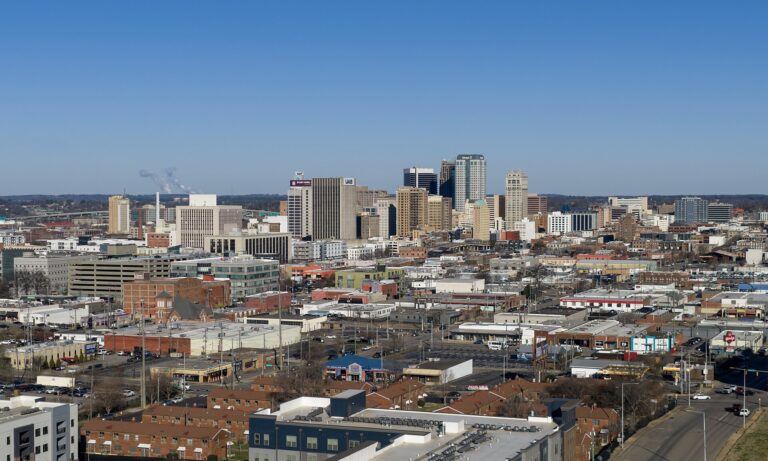
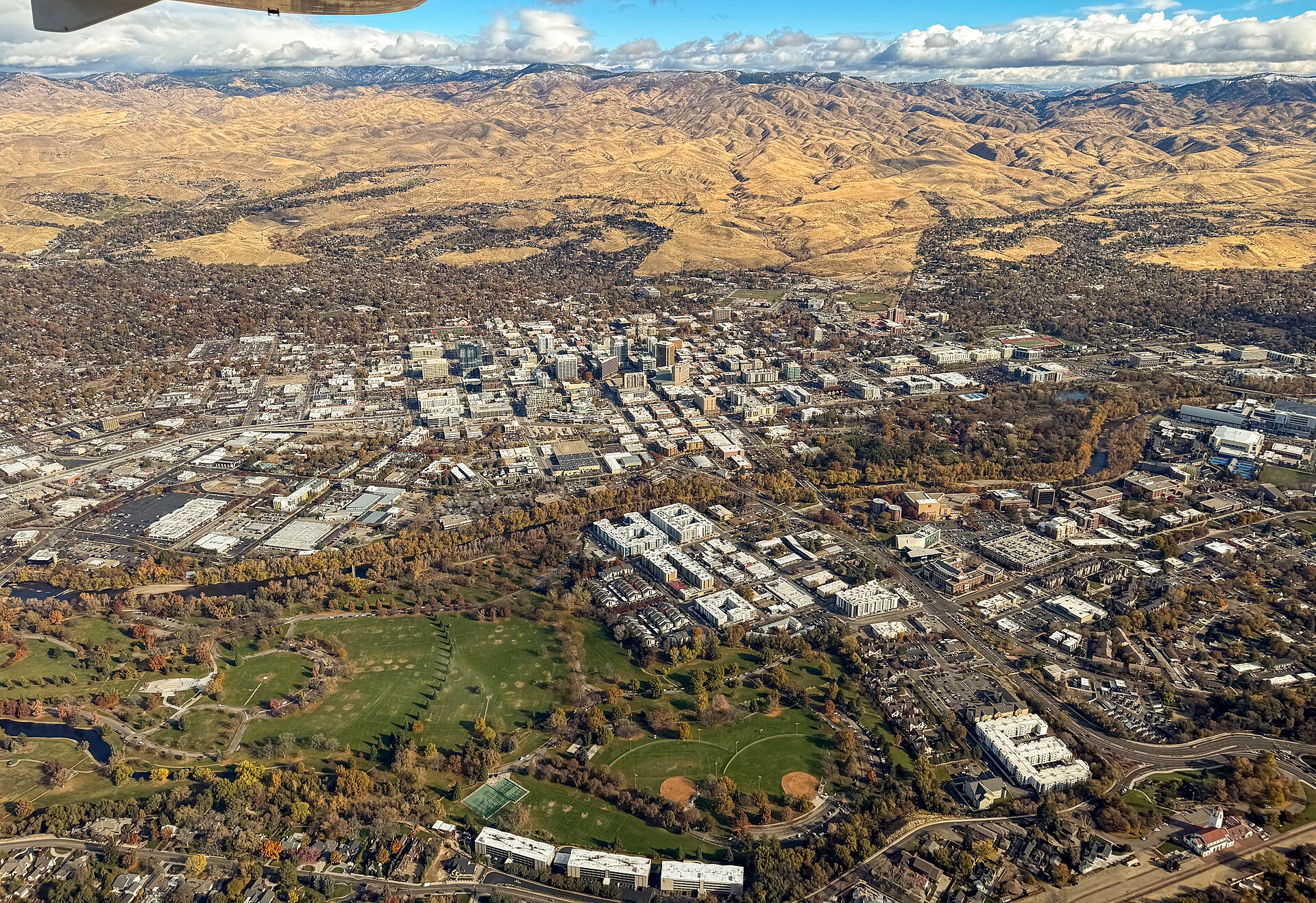
Photo: Tedder, CC BY 4.0, via Wikimedia Commons.