Pros and Cons of Living in Boise, ID in 2026
Boise keeps showing up on every “best places to move” list, and yet almost nobody explains what life here actually feels like once the novelty wears off. The foothills are real. The traffic is real. So is the price tag that crept up while everyone was busy moving here from California and the Pacific Northwest. Before you sign a lease or make an offer, here is the unfiltered version.
Quick Facts: Boise by the Numbers
Boise’s population sits at 235,701 according to the U.S. Census Bureau’s 2019-2023 American Community Survey 5-Year Estimates. The median age is 38.2 years, which tells you something important: this is a city of working adults and young families, not a college-town or a retiree enclave. The median household income lands at $81,308 per year, and the unemployment rate is just 3.8%. On paper, those numbers look healthy. The catch is the housing market, which we will get to shortly.
The Pros of Living in Boise
1. Outdoor Access That Is Genuinely Hard to Beat
The Boise Foothills are not a marketing tagline. They hold the Ridge to Rivers system, more than 190 miles of trail managed jointly by the BLM, the City of Boise, Ada County, the Boise National Forest and Idaho Fish and Game, that links the city’s neighborhoods with public land in the foothills just north of downtown. The Boise River Greenbelt runs about 29 miles along the river, connecting parks, swimming holes, and neighborhoods in a way that most cities four times the size never manage to pull off. Sun Valley is about 150 miles northeast. Cascade is just under two hours away and McCall about two and a half hours up Idaho 55, while Stanley is a little over three hours via Idaho 21. If your lifestyle revolves around skiing, hiking, fly fishing, white-water rafting, or mountain biking, very few American cities of this size give you this kind of variety this close.
2. A Job Market That Has Held Up
Boise has diversified its economy well beyond agriculture. Micron Technology and Boise Cascade maintain major operations here, and HP Inc. still runs a large Boise site, although it announced in March 2026 that it will leave by the end of 2027. Cradlepoint (bought by Ericsson in 2020, folded into Ericsson Enterprise Wireless Solutions and trimmed by layoffs in 2024) and a constellation of startups gave the city a secondary tech-hub identity, but the real anchor now is Micron, which is building two new fabs on its Boise campus. Boise State University employs thousands and feeds a pipeline of graduates into local firms. If you are in software, cybersecurity, healthcare, construction, or logistics, your odds of landing well here in 2026 are solid.
3. No State Income Tax… Wait, Actually There Is One
Idaho does have a state income tax, currently a flat 5.3% on nearly all taxable income, after House Bill 40 cut the rate from 5.695% in March 2025 (it was 5.8% as recently as 2023). That said, it is still lower than Oregon’s top rate of 9.9% or California’s 13.3%. For people relocating from those states, the tax picture still looks friendlier, even if Idaho is not a zero-income-tax state like Nevada or Washington. Property taxes are low relative to home values: the Tax Foundation puts Idaho’s effective rate at about 0.50% for 2024, the sixth lowest among the states.
4. A Food Scene That Punches Above Its Weight
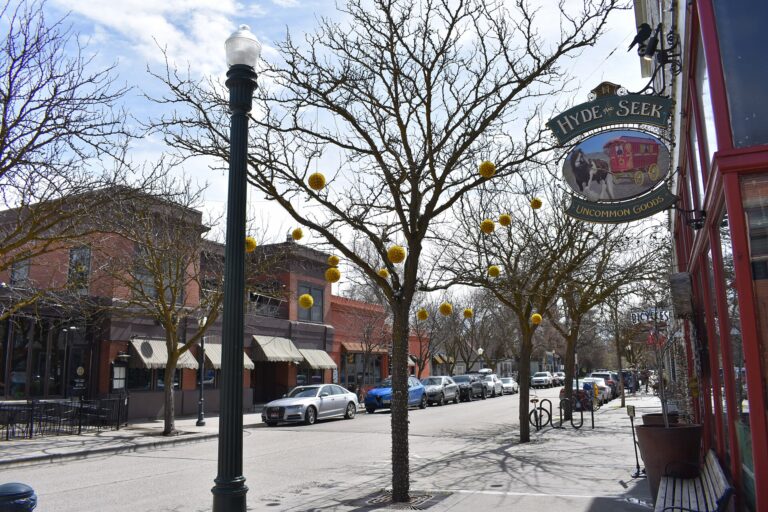
Downtown Boise’s 8th Street and the area around Hyde Park have quietly built a restaurant scene worth caring about. Payette Brewing, Boise Brewing, and Sockeye Brewing anchor a craft beer culture that goes deep. Locally, Fork and Bittercreek Alehouse, both on 8th Street, are fixtures that have survived long enough to mean something. The Boise Farmers Market, running Saturdays from April through October at 1500 Shoreline Drive, connects residents directly to the Snake River Plain’s agricultural bounty: Treasure Valley onions, southern Idaho potatoes, and some of the best stone fruit in the country. This is not a foodie capital on the level of Portland or Denver, but for a city of 235,000, the depth is real.
5. A Genuinely Educated and Civic-Minded Population
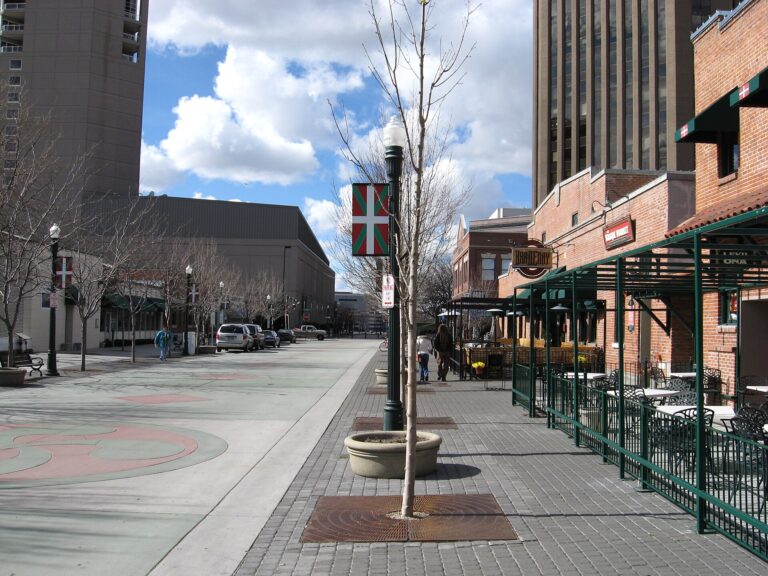
With 46.6% of residents holding a bachelor’s degree or higher, Boise sits well above the national average of around 35%. That shapes the culture in tangible ways: the public library system is excellent, the arts scene is active (the Treefort Music Fest draws national acts every March), and civic participation is high. The Basque Block downtown is a legitimate cultural landmark, home to the largest Basque community in the United States, complete with a museum, a social club, and Leku Ona restaurant. It is one of the more distinctive neighborhood identities of any mid-sized American city.
6. Four Actual Seasons Without the Extremes
Boise sits in a high desert valley at about 2,700 feet. Summers are hot and dry, typically 90 to 100 degrees Fahrenheit in July and August, but low humidity makes it tolerable in a way that, say, Phoenix or Houston simply is not. Winters are cold but not brutal by mountain-state standards: average January lows hover around 25 degrees, and significant snowfall in the valley itself is rare. Spring and fall are genuinely pleasant. If you want seasons without committing to Minneapolis winters or Atlanta summers, this climate hits a reasonable middle ground.
7. Public Safety
For 2020, Boise Police reported four murders, 56 robberies and 380 aggravated assaults in a city of about 235,000, and total crimes fell between 2016 and 2020; check the FBI Crime Data Explorer for current figures. The North End, East End, and Foothills neighborhoods are quiet, walkable, and broadly safe. Downtown gets lively on weekend nights but rarely feels threatening.
The Cons of Living in Boise
1. Housing Costs Have Transformed the City
This is the central tension of Boise in 2026. The median home value is $456,000, and the median gross rent is $1,359 per month. Put those numbers next to the $81,308 median household income and you see the problem immediately. A conventional mortgage on a $456,000 home at 2026 interest rates (roughly 6 to 7%, per Freddie Mac) requires a monthly payment north of $2,600 before taxes and insurance. That is more than 38% of the median household’s gross monthly income, well above the 28% threshold most financial advisors recommend. If you are arriving now, entry-level ownership is a genuine stretch on a median income.
2. Traffic Has Gotten Noticeably Worse
Boise was easy to drive in 2015. It is not 2015 anymore. The I-84 corridor through the Treasure Valley, particularly the stretch between Boise and Meridian, backs up badly during morning and evening commutes. Boise’s public transit system (Valley Regional Transit) is limited and not a realistic alternative for most residents. The city is still car-dependent in a way that frustrates people relocating from cities with real transit infrastructure.
3. Summers Are Hot and Smoke Season Is Real
The dry heat is manageable in June. By late July and August, temperatures regularly exceed 100 degrees, and wildfire smoke from fires across Idaho, Oregon, and Washington routinely blankets the valley for days or weeks at a stretch. Air quality index readings in the “unhealthy” range are not unusual in August. If you have asthma, allergies, or simply enjoy being outside in summer, smoke season can be genuinely miserable and it is getting worse, not better.
4. Growing Pains Are Everywhere
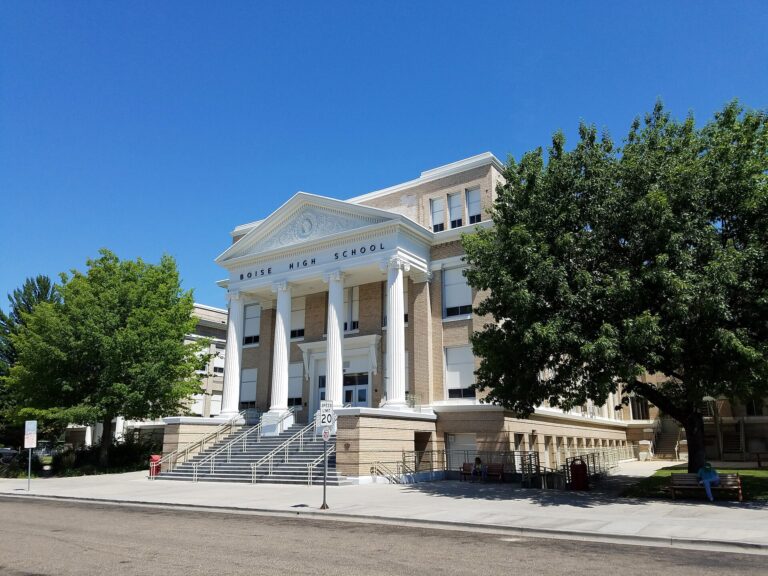
Boise’s rapid growth over the past decade has strained infrastructure that was not built for a city of 235,000 (let alone the broader Treasure Valley metro of over 800,000). Inside the Boise School District the problem is the opposite: falling enrollment has left about 9,000 empty seats, and the district is studying closing or combining up to three junior highs and closing or re-drawing boundaries for a number of elementary schools, with a facilities plan expected in February or March 2027. Water rights are a persistent political flashpoint in an already arid state. Construction is constant but often feels like it is perpetually catching up rather than getting ahead. Long-time residents have a complicated relationship with the change, and if you move here, expect to step into that tension.
5. The Political Climate Is Polarized
Idaho is one of the most conservative states in the country, and while Boise itself trends more moderate to liberal, state-level policy affects daily life here. Reproductive healthcare access, LGBTQ+ protections, and public school funding are all subjects of ongoing legislative conflict. The mismatch between Boise’s relatively progressive urban culture and the surrounding state government creates friction that is not abstract for many residents. If policy alignment matters to your decision, go in with eyes open.
6. Entertainment and Culture Have Limits
Treefort is great. The Morrison Center hosts solid touring shows. But Boise is not a major cultural hub, and if you are accustomed to the breadth of options in Seattle, Denver, or the Bay Area, the adjustment is real. There is no NBA team, no MLB team, and the professional scene is limited to the Idaho Steelheads (ECHL hockey at Idaho Central Arena downtown), Athletic Club Boise (USL League One soccer, new in 2026, at the Stadium at Expo Idaho) and the Boise Hawks (independent Pioneer League baseball at Memorial Stadium), plus Boise State Broncos football, which is genuinely beloved but still college sports. Major national tours frequently skip Boise entirely or schedule it as a distant add-on date.
7. Water and Long-Term Climate Risk
This one is less immediate but worth naming. Southern Idaho’s agricultural economy and growing urban population both depend on the Snake River and its tributaries. Drought years, which are becoming more frequent, create real tension between agricultural water rights and municipal supply. The long-term sustainability of a rapidly growing desert city is a legitimate question, not a hypothetical one, and it will affect policy, costs, and livability over a 20-to-30 year horizon.
Who Should Move to Boise
Boise makes the most sense for a specific type of person. Young families who prioritize outdoor access, safe neighborhoods, and good schools over urban density will find a lot to like here. Outdoor athletes, particularly skiers, mountain bikers, and trail runners, get an almost unfair advantage in terms of proximity to world-class terrain. If you are in healthcare, construction, or engineering, the job market will absorb you quickly.
People who are flexible on the culture front, comfortable driving everywhere, and not dependent on the kinds of services and diversity that only larger metros provide will adapt well. If you are buying at a household income well above the median, or if you are coming from a market where $456,000 sounds like a relative bargain, Boise still makes financial sense.
Who Should NOT Move to Boise
Be honest with yourself if any of these apply. If you rely on public transit, Boise will frustrate you daily. If you have serious respiratory issues, smoke season is not a minor inconvenience. If you are a renter earning near or below the median income, a $1,359 median rent sounds affordable until you realize that figure reflects the full market including older, smaller units and dates from the 2019 to 2023 Census survey.
If you need a dense, walkable urban environment with multiple transit options and a rich cultural calendar, Boise is not that city. If reproductive healthcare access or LGBTQ+ legal protections are non-negotiable factors, Idaho’s current legislative environment is a serious red flag. And if you are hoping to buy a starter home on a single income under $70,000 per year, an Ada County median sales price near $580,000 for existing homes (August 2026, Boise Regional REALTORS) will close that door very quickly.
Final Verdict: 7.2 out of 10
Boise in 2026 is a genuinely good city going through a difficult adolescence. The outdoor access is exceptional. The job market is stable. The community has real character, from the Basque Block to the Greenbelt to Treefort. But the housing affordability gap is not a talking point, it is a mathematical reality that strains the median-income household. Traffic is deteriorating. Smoke season is lengthening. And the mismatch between city culture and state policy creates stress that is hard to ignore.
A 7.2 out of 10 reflects a city that delivers strongly on quality of life for people who arrive with financial flexibility and the right lifestyle priorities, while genuinely disappointing those who do not. The move makes sense for the right person. The key is figuring out honestly whether that person is you.
Frequently Asked Questions
What is the average rent in Boise, ID in 2026?
Is Boise, Idaho affordable to live in?
What is the job market like in Boise, ID in 2026?
How bad is traffic in Boise, Idaho?
What are the winters like in Boise, Idaho?
Sources & methodology. Demographic and economic figures in this guide are drawn from the U.S. Census Bureau, 2019 to 2023 American Community Survey 5-Year Estimates. A newer 2020 to 2024 release came out on January 29, 2026; this guide still uses the 2019 to 2023 figures. Other figures come from the sources named next to them.
Last reviewed September 2026.
How this guide was made. Figures come from the U.S. Census Bureau ACS 2019 to 2023 5-year estimates and the other sources named next to each number. A first draft was written with the help of an AI language model; every place name, price, date and claim was then checked against primary sources by the Small City Guide editors (see About and Methodology). Last verified: September 26, 2026.
What changed: Fact-checked against primary sources in September 2026: 16 statements corrected, 5 off-topic Census sentences removed, opening rewritten, photo replaced with a credited image of the city. On September 27, 2026 every named place and figure was re-checked; details that could not be confirmed from a primary source were removed.
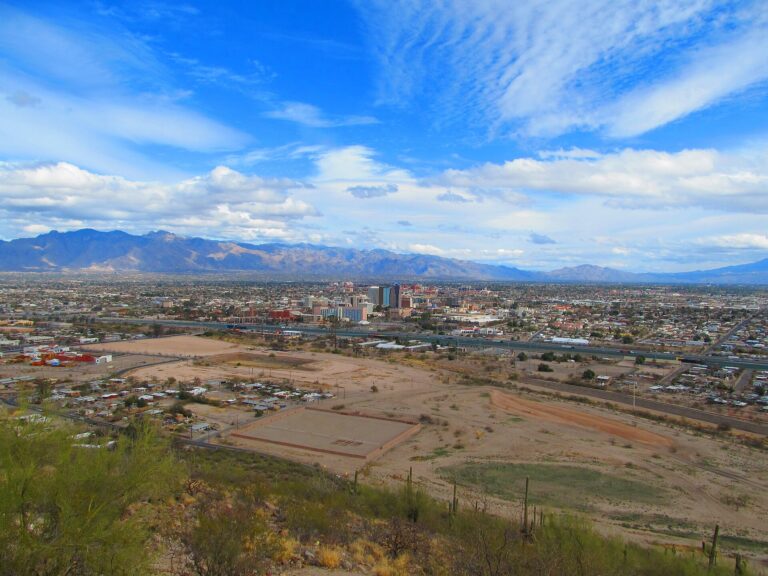
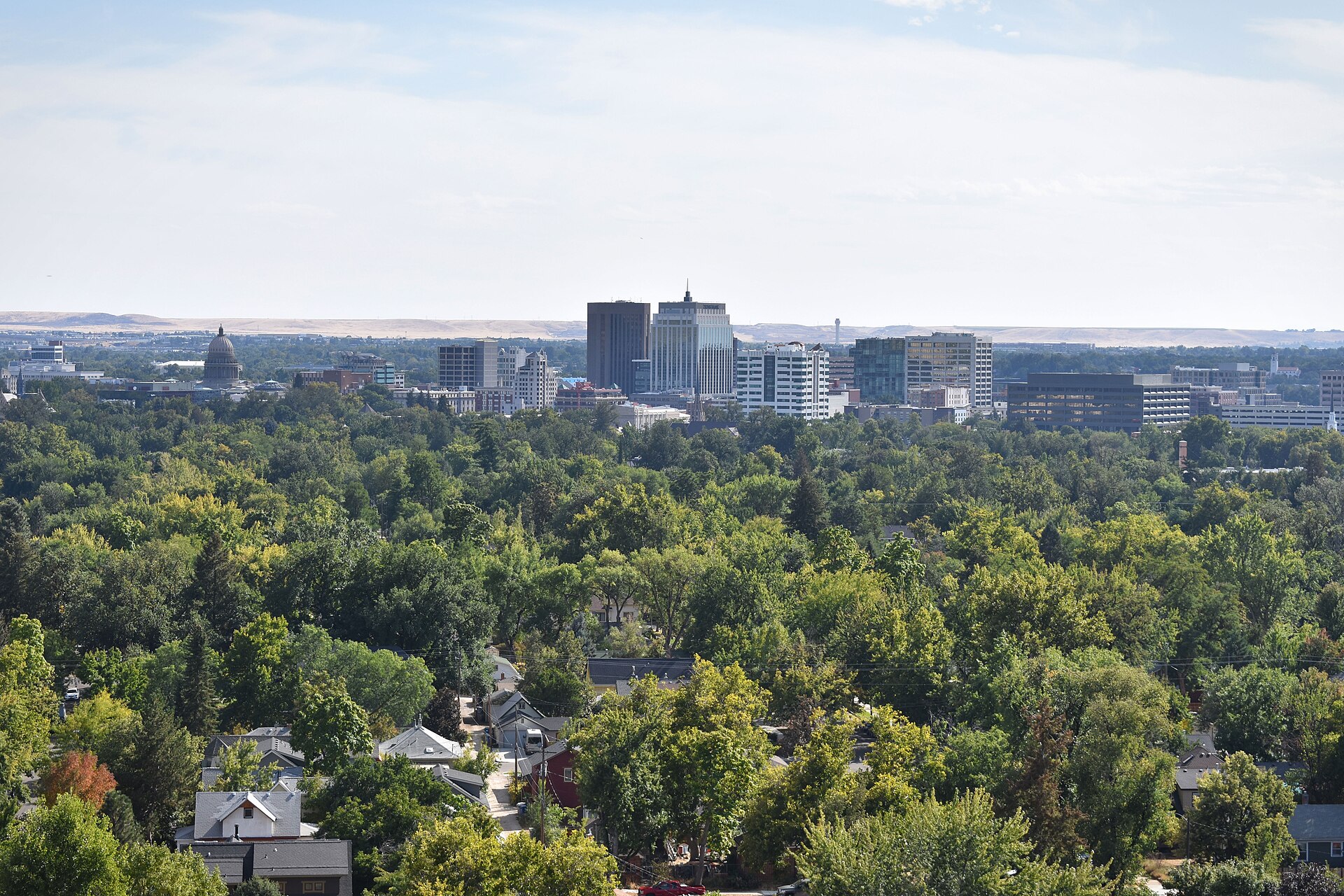
Photo: Tamanoeconomico, CC BY-SA 4.0, via Wikimedia Commons.