Bozeman, MT Cost of Living in 2026: Housing and Transit
Bozeman’s median home value is $614,900, against a median household income of $79,903, according to the Census Bureau’s 2019 to 2023 American Community Survey. That gap is the central fact of living here, in a city of about 55,000 where Montana State University enrolled a record 17,165 students in fall 2025. This guide covers housing, groceries, transportation, healthcare and recreation costs, and compares Bozeman with Billings and Missoula.
Here is what it actually costs to live in Bozeman in 2026, category by category, with no glossy tourism branding layered over the hard numbers.
Bozeman at a Glance
With a population of 55,042, Bozeman is not a big city by any traditional measure. But it punches far above its weight in terms of energy, growth, and price. The median age sits at just 28.6 years, reflecting the massive influence of Montana State University, which enrolls over 17,000 students. That youthful demographic shapes everything from the bar scene on Main Street to the fierce competition for rental housing near campus.
The city holds a Bachelor’s degree attainment rate of 65.1 percent. That is not just a demographic curiosity. It signals a workforce that has attracted technology companies, outdoor-industry firms, and remote workers willing to pay premium prices to relocate here. The downstream effect on housing costs has been dramatic and largely irreversible.
Median household income is $79,903 per year. That sounds reasonable until you stack it against a median home value of $614,900 and start doing the math on what a standard 20-percent-down conventional mortgage actually requires. The city’s poverty rate of 14.8 percent tells another part of the story: a meaningful share of residents, many of them service workers, students, and long-term locals, are being squeezed hard by a cost structure originally designed to attract wealthy transplants.
Unemployment sits at 3.1 percent, reflecting a tight local labor market. If you have a marketable skill, finding work here is not the obstacle. Affording to stay once you do is the harder challenge.
Housing Costs by Neighborhood
Renting in Bozeman
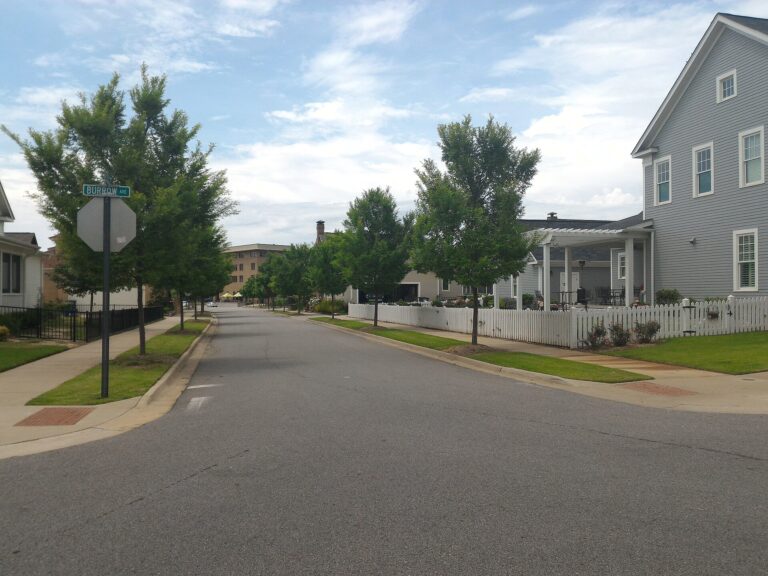
The Census-verified median gross rent for Bozeman is $1,611 per month. That figure covers all unit types, from studio apartments near MSU to larger family rentals in subdivisions on the west side. In practice, what that median buys varies significantly by location.
Near MSU and the university district, renters compete with a student body that reached a record 17,165 in fall 2025, according to Montana State University.
The homeownership rate of 44.6 percent is notably low, especially for a city with a median household income close to $80,000. That number reflects two realities: the large student population that rents by default, and the fact that many working adults who would normally own simply cannot qualify for a purchase at current prices.
Buying in Bozeman
A median home value of $614,900 is the headline, but context matters. Asking prices vary widely with location, age and size, and homes near downtown or with mountain views sit at the top of the range.
At a 7 percent mortgage rate (Freddie Mac’s 30-year average was 7.03 percent in the week of September 24, 2026) on a $615,000 home with 20 percent down, your principal and interest payment alone is roughly $3,270 per month. Keeping that payment alone at or under 30 percent of gross income takes about $131,000 a year, and property taxes, homeowners insurance and any HOA fees come on top. The median household income of $79,903 does not get you there without a very large down payment.
Food and Groceries
Grocery options include the Walmart Supercenter on North 7th Avenue, Whole Foods Market on West Main Street, and the member-owned Bozeman Co-op, with stores on West Main Street and East Main downtown.
Transportation
Bozeman is car-dependent. There is a small public transit system called Streamline Bus that is free to ride and covers major corridors, but service on most routes is hourly, with half-hour peak trips on three lines only on weekdays during MSU’s academic terms. For anyone living in the western subdivisions or working outside the downtown core, a personal vehicle is not optional.
Downtown on-street spaces and public lots give 2 hours of free parking, the Bridger Park Garage on Mendenhall Street offers all-day parking. The airport, Bozeman Yellowstone International, has been Montana’s busiest since 2013 and handled about 2.8 million passengers in 2025. Alaska, Allegiant, American, Delta, Southwest and United fly there year-round, JetBlue and Sun Country add seasonal service, and in 2024 the airport announced a $180 million expansion.
Healthcare
Bozeman Health Deaconess Regional Medical Center is the primary full-service hospital in the city, a facility that handles everything from emergency care to oncology. For some specialized procedures, residents travel to Billings (about 140 miles east) or Missoula (about 200 miles west).
Entertainment and Lifestyle
This is where Bozeman genuinely earns its reputation. Access to outdoor recreation here is exceptional at nearly every price point. Bridger Bowl, the local ski area, offers 2026/27 adult full season passes for $1,100 from August 1 and $1,250 from November 1 ($950 if bought by July 31). Hyalite Canyon, where Hyalite Reservoir sits about 12 miles south of Bozeman, is close to town. The Gallatin River is a popular fly-fishing destination, and portions of it are designated a Blue Ribbon trout stream. Hiking, mountain biking, and backcountry skiing are not weekend road trips from Bozeman; they are Tuesday afternoon activities.
The downtown cultural scene is lively for a city this size. The Ellen Theatre on West Main Street, entertaining since 1919, hosts concerts and events. The Emerson Center for the Arts and Culture occupies the former Emerson Elementary School. Beer culture is strong, with MAP Brewing, Bozeman Brewing Company, and Montana Ale Works among the well-established local institutions.
How Bozeman Compares to Billings and Missoula
Billings, Montana’s largest city at roughly 118,000 people, offers a meaningfully lower cost of living. Its median home value is $311,800 and its median gross rent is $1,097 per month (Census ACS 2019 to 2023). Billings has a more traditional economy built on healthcare, energy, and agriculture, and a real purchasing power advantage for anyone not specifically tied to the Bozeman job market or lifestyle.
Missoula, with a population close to 75,000 and the University of Montana anchoring its identity, shares some DNA with Bozeman. Median home values in Missoula sit around $427,000, and the median gross rent is about $1,120 per month (Census ACS 2019 to 2023). That is meaningfully cheaper than Bozeman.
Bozeman commands a premium over both cities, and the question every potential mover has to answer honestly is whether that premium is justified by the specific job opportunities, lifestyle access, or personal connections that brought them here in the first place.
Honest Pros and Cons
What Works
- Outdoor access: Few cities this size sit this close to this much public land, ski terrain, and blue-ribbon trout water.
- Job market: A 3.1 percent unemployment rate reflects genuine opportunity, especially in tech, healthcare, and outdoor industries.
- Education and talent: A 65.1 percent bachelor’s degree attainment rate produces a sharp, energetic workforce and an intellectually engaged social scene.
- No sales tax: Montana has no general sales tax. It does have a state income tax.
What Hurts
- Housing affordability gap: A median home value of $614,900 against a median household income of $79,903 is a severe mismatch. The math only works with significant outside capital or dual high incomes.
- Poverty rate tension: A 14.8 percent poverty rate in a city with Bozeman’s median home value reflects a community being priced out of itself. Long-term locals, service workers, and lower-wage earners are under sustained pressure.
- Geographic isolation: Bozeman Yellowstone International has nonstop flights to hubs such as Denver, Salt Lake City, Seattle, Minneapolis, Atlanta and Dallas/Fort Worth, but many other destinations still require a connection. Some specialized medical care means driving to Billings or Missoula.
- Winter intensity: Bozeman averages about 91 inches of snow a year at the Montana State University weather station (1991 to 2020 normals). That is not a complaint for everyone, but it is a real operational cost in time, vehicle maintenance, and energy bills.
- Growth pains: Bozeman grew from 37,280 residents in 2010 to 53,293 in 2020, and roads, schools and other services have had to absorb that growth.
Who Bozeman Is Right For
The Remote Tech Worker with Equity
Someone with a remote salary and cash from a previous home sale or stock vest can buy into Bozeman’s real estate market without depending on local wages.
The Outdoor-First Single Adult
A single adult who prioritizes skiing, climbing, and fishing above square footage can make Bozeman work by renting a one-bedroom or splitting a larger unit with roommates.
The Montana State University Student or Recent Grad
MSU shapes so much of Bozeman’s social fabric that students and recent grads from the university have a natural ecosystem here. Staying after graduation makes more sense than it once did, given the expanding local job market. Just expect to rent for years before ownership becomes realistic.
The Dual-Income Household Priced Out of Coastal Markets
A two-income couple relocating from a higher-cost coastal metro will find Bozeman expensive. At a 7 percent mortgage rate, principal and interest on a $615,000 home with 20 percent down take about $131,000 a year in combined gross income to stay under 30 percent.
The Bottom Line
Bozeman is not an affordable city, and there is no realistic scenario in which affordability returns at scale. The median home value of $614,900 and median rent of $1,611 per month are not flukes; they reflect genuine demand from a highly educated, well-compensated population that has decided this particular corner of Montana is worth paying for.
What Bozeman offers in return is real: a tight-knit, highly educated community (65.1 percent with a bachelor’s degree or higher), unmatched outdoor access, a growing job market, and a small-city energy that larger metros genuinely cannot replicate. For the right person with the right income and the right priorities, it delivers on nearly every promise.
For everyone else, especially the 14.8 percent living below the poverty line and the service workers who keep the restaurants and ski resort running, the math is brutal and getting harder. That tension is the honest story of Bozeman in 2026, and anyone moving here should understand it clearly before signing a lease or making an offer.
Frequently Asked Questions
What is the average rent in Bozeman, MT in 2026?
Is Bozeman, MT expensive to live in compared to the rest of Montana?
What salary do you need to live comfortably in Bozeman, MT?
How cold and snowy does Bozeman, MT get in winter?
What are the main employers in Bozeman, MT in 2026?
Sources & methodology. Demographic and economic figures in this guide are drawn from the U.S. Census Bureau, 2019 to 2023 American Community Survey 5-Year Estimates. A newer 2020 to 2024 release came out on January 29, 2026; this guide still uses the 2019 to 2023 figures. Other figures come from the sources named next to them.
Last reviewed September 2026.
How this guide was made. Figures come from the U.S. Census Bureau ACS 2019 to 2023 5-year estimates and the other sources named next to each number. A first draft was written with the help of an AI language model; every place name, price, date and claim was then checked against primary sources by the Small City Guide editors (see About and Methodology). Last verified: September 26, 2026.
What changed: Fact-checked against primary sources in September 2026: 14 statements corrected, opening rewritten, photo replaced with a credited image of the city.
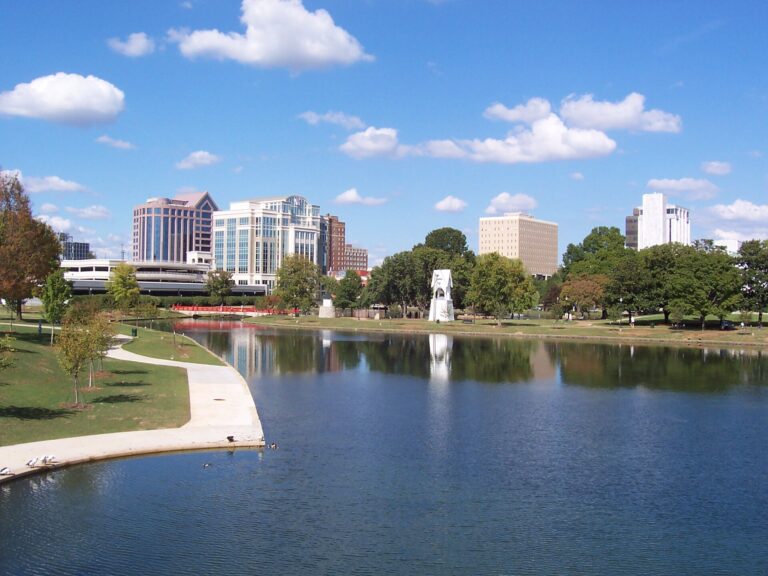
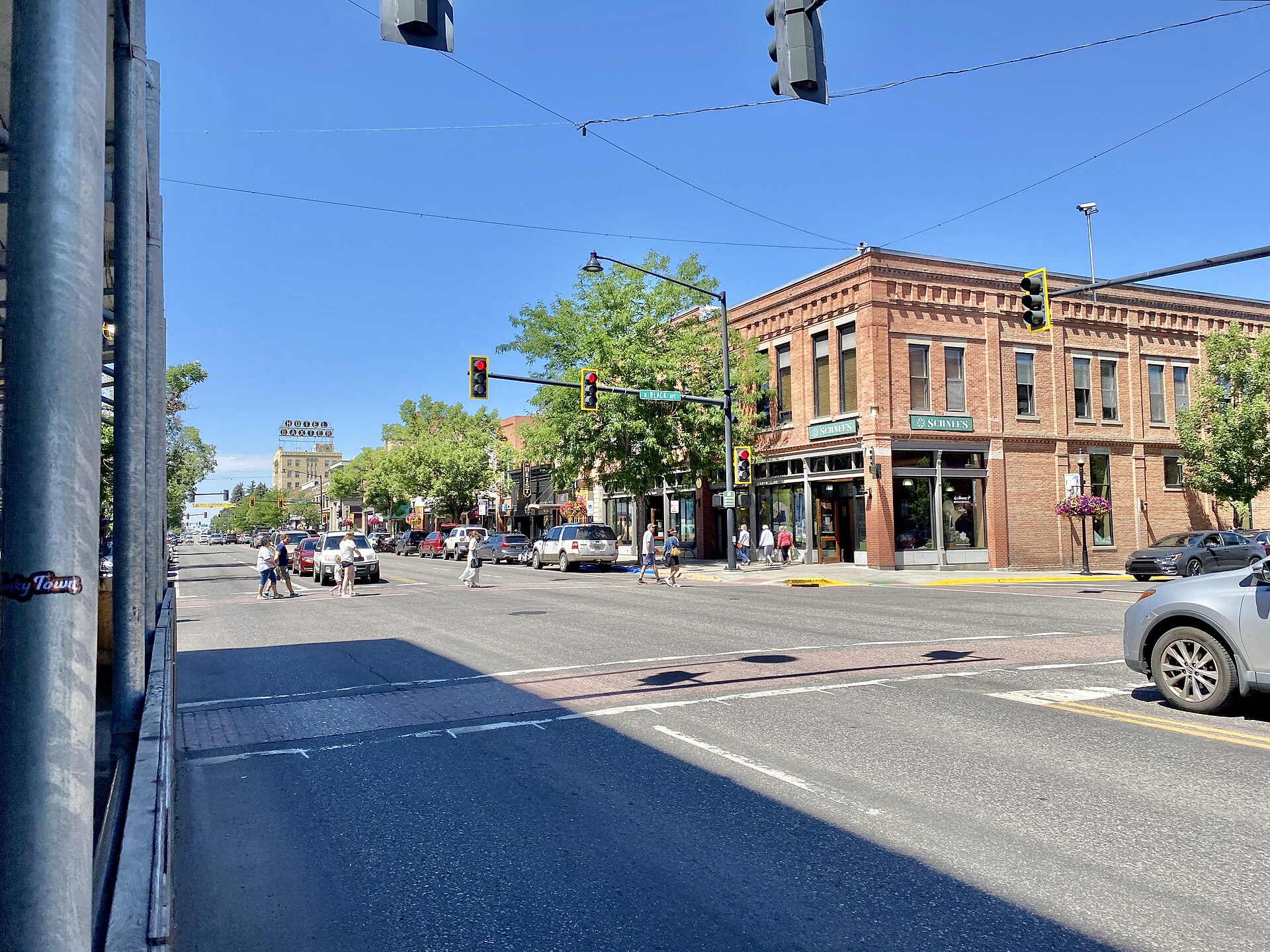
Photo: w_lemay, CC BY-SA 2.0, via Wikimedia Commons.