Moving to Greenville, SC: A Practical 2026 Guide
Greenville, South Carolina, is a city of about 71,755 people on I-85, roughly 100 miles from Charlotte and 145 miles from Atlanta, in the foothills of the Blue Ridge. Its downtown is built around Falls Park on the Reedy and the Prisma Health Swamp Rabbit Trail, a greenway that runs north to Travelers Rest and that Greenville County now describes as a 32-mile network. Michelin’s North American headquarters and Prisma Health anchor the local job market, and BMW has built cars at its plant in nearby Greer since 1994. This guide covers the practical steps of moving here, from the 45-day SC driver’s license rule to choosing a neighborhood.
But Greenville is not perfect, and anyone who tells you otherwise is selling something. The poverty rate sits at 14.1%, the median home value is $453,300 (Census ACS 2019-2023), and traffic on I-85 can be punishing during peak hours. This guide is for people who want the full picture before they sign a lease or make an offer.
Why People Are Moving to Greenville in 2026
The median home value is $453,300 (Census ACS 2019-2023).
Prisma Health and Michelin are among the largest employers in Greenville County.
Best Time to Move to Greenville
Timing a move here is genuinely consequential. Greenville summers are brutal. Average daily highs are about 90 F in July and about 88 F in August.
The sweet spot is late September through November. Temperatures drop into the 60s and 70s. February and early March are another option, though sleet and ice storms are more common here than snow.
Before You Move: The Essential Checklist
Research First, Commit Second
Visit in person before you sign anything. A weekend trip gives you enough time to drive the neighborhoods at night, eat somewhere other than a chain restaurant, and get a feel for whether the pace suits you. Greenville is quieter than most people raised in major metros expect.
Lease or Buy?
With a median gross rent of $1,248 per month, renting is more accessible than buying for most newcomers. That rent figure is a citywide median, so expect significant variation. If you are relocating without knowing the area well, rent for at least a year. The difference between a good and a bad Greenville neighborhood is not always obvious from an online listing.
School Enrollment
Greenville County Schools is the largest district in South Carolina. Parents can enroll new students online through a Backpack account on the district website. Attending a school other than the zoned one goes through the district’s Change in Assignment lottery or an application to its Magnet Academies, and International Baccalaureate programs are offered in clusters across the county. Southside High was the first school in South Carolina to offer the IB Diploma Programme.
During the Move: Hiring Movers
If you hire movers, get three quotes minimum, and verify that each company carries liability insurance and cargo coverage before you hand over a deposit.
Your First Week in Greenville: The Practical Stuff
DMV and Driver’s License
South Carolina requires new residents to apply for an SC driver’s license within 45 days of moving to the state, and to transfer vehicle registration within the same 45 days. Greenville has two SCDMV branches, at 122 Edgeworth Street downtown and 15 Saluda Dam Road, and there are other nearby branches in Greer and Fountain Inn. The SCDMV locations page shows current wait times for each. Check current wait times on the SCDMV website (scdmvonline.com, which is moving to dmv.sc.gov in 2026) before you go. Bring your current license, proof of SC residency, proof of your Social Security number, and, if you are registering a car, your out-of-state title or registration plus the paid vehicle property tax receipt from the Greenville County treasurer. SCDMV will not register the car until that county tax is paid, and first-time SC registration costs about $305 per vehicle, including a one-time $250 Infrastructure Maintenance Fee.
Voter Registration
South Carolina allows online voter registration through scvotes.gov. The deadline to register for any given election is 30 days before that election. You will register by county, so make sure your address is correct from day one.
Utilities Setup
Water service comes from Greenville Water. Laurens Electric Cooperative and Blue Ridge Electric Cooperative both serve parts of Greenville County, so your electric provider depends on your address. Call before you move in to confirm your provider and set up service at least a week ahead. Spectrum and AT&T both sell home internet in Greenville, and AT&T Fiber is available at many addresses. Check which internet providers serve your exact address before you sign a lease. Google Fiber’s South Carolina service is limited to Fort Mill and Tega Cay, near Charlotte.
Finding a Healthcare Provider
Greenville has two main health systems, Prisma Health and Bon Secours St. Francis. Book a primary care appointment within your first 30 days, especially if you have maintenance medications.
Neighborhoods Worth Prioritizing
North Main: A walkable neighborhood next to downtown and one of the oldest in Greenville, with many renovated historic homes.
West Greenville: The arts district. This is where galleries and artist studios cluster, especially in the Village of West Greenville near downtown.
Mauldin and Simpsonville: South suburban. Less walkable, more car-dependent. The tradeoff is real.
Travelers Rest: A small town 10 miles north of the city on the Swamp Rabbit Trail. It has a distinct small-town feel that Greenville proper does not fully replicate.
Common Pitfalls Newcomers Make
Underestimating the car dependency is probably the biggest one. Downtown Greenville is walkable. Almost everywhere else requires a car, and that is not going to change soon. If you are used to a city with reliable public transit, adjust your expectations before you choose a neighborhood.
A lot of people also overestimate how quickly they will feel settled. Greenville has a tight social fabric, and existing friend groups tend to be well-established. The city is friendly but not instantly warm. Give yourself three to six months before deciding you made a mistake.
Skipping renter’s or homeowner’s insurance is another common error. South Carolina sits in a region with real severe weather risk, including ice storms in winter.
Essential Local Apps and Services
Greenlink: The bus system serves Greenville and much of Greenville County, including Mauldin and Simpsonville. Check the routes near your address before you depend on it.
Swamp Rabbit Cafe and Grocery: Not an app, but a landmark. This locally owned grocery, bakery and cafe on Cedar Lane Road, beside the Swamp Rabbit Trail, buys from more than 300 local farmers and food makers, and it is a practical first stop for understanding the local food culture.
Greenville County Library app: The Greenville County Library System has its own app and lends ebooks, audiobooks and streaming video through Libby and Hoopla. Get your card within your first week.
ParkMobile: The City of Greenville accepts ParkMobile in all city-owned lots and garages. Download it before you need it, not during a frantic parallel park.
Integration Tips for Your First 30 Days
Walk the Swamp Rabbit Trail on a weekend morning within your first two weeks. It functions as the city’s social spine. You will see how people here actually spend their free time, and it is a natural place to start a conversation.
Find one local coffee shop and become a regular. Greenville has a strong independent coffee culture: Methodical Coffee and Coffee Underground are worth trying. Regulars in these places know everyone, and that network compounds quickly.
Attend one event at the Peace Center.
Introduce yourself to your neighbors in the first week, not the first month. Greenville neighborhoods have strong block-level identities, and the social cost of being the person who moved in and disappeared for a month is real. A simple knock and a hello goes a long way.
Lastly, get your bearings on the road network before you need it for something important. The interchange at I-85 and I-385 is confusing the first several times. Take a Sunday drive through the areas you will use most before rush hour makes every mistake more stressful.
Greenville rewards people who show up prepared and stay patient. The city is growing faster than its infrastructure in some ways, and not every new resident loves what it is becoming. But the fundamentals are solid, the community is engaged, and for the right person, this is one of the better bets in the Southeast right now.
Frequently Asked Questions
What is the average rent in Greenville, SC in 2026?
Is Greenville, SC a good place to live for young professionals?
How competitive is the Greenville, SC housing market in 2026?
What are the best neighborhoods to live in Greenville, SC?
How long does it take to get a South Carolina driver’s license after moving to Greenville?
Sources & methodology. Demographic and economic figures in this guide are drawn from the U.S. Census Bureau, 2019 to 2023 American Community Survey 5-Year Estimates. A newer 2020 to 2024 release came out on January 29, 2026; this guide still uses the 2019 to 2023 figures. Other figures come from the sources named next to them.
Last reviewed September 2026.
How this guide was made. Figures come from the U.S. Census Bureau ACS 2019 to 2023 5-year estimates and the other sources named next to each number. A first draft was written with the help of an AI language model; every place name, price, date and claim was then checked against primary sources by the Small City Guide editors (see About and Methodology). Last verified: September 26, 2026.
What changed: Fact-checked against primary sources in September 2026: 14 statements corrected, 5 off-topic Census sentences removed, opening rewritten, photo replaced with a credited image of the city.
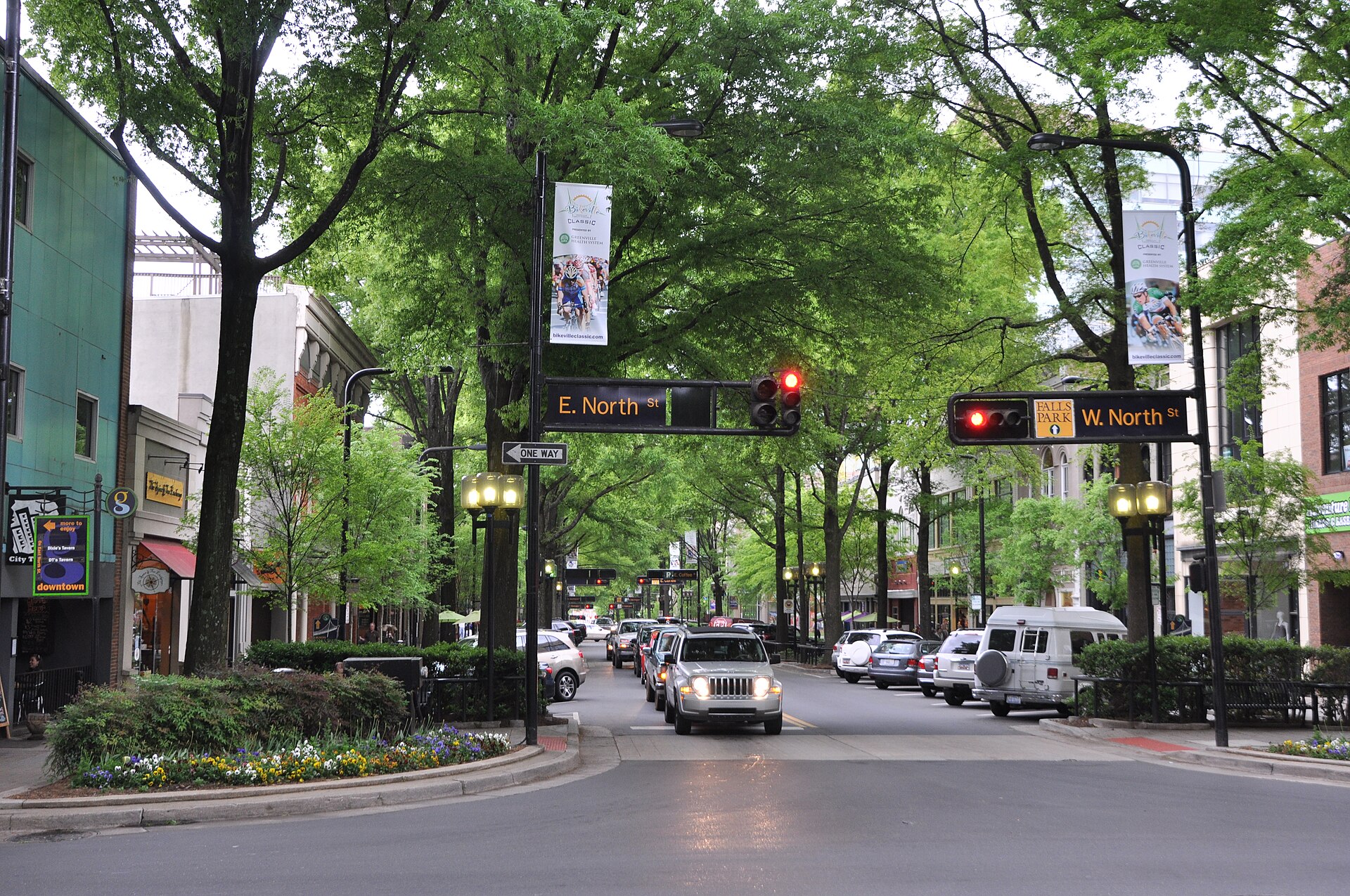
Photo: lovinkat, CC BY 2.0, via Wikimedia Commons.