Arizona Cities Compared: Rent, Home Prices and Income
This comparison is for households thinking about leaving a large, expensive metro for one of the eight Arizona cities Small City Guide covers. Not all of them are small: Tucson is the state’s second-largest city, and Tempe, Chandler and Gilbert are large suburbs inside the Phoenix metro. The table puts all eight on the same Census footing, and the sections below explain what the numbers mean for each place.
Eight Arizona cities on one Census table
Every figure below comes from the U.S. Census Bureau’s American Community Survey, 2019-2023 5-year estimates, retrieved from the Census API and published on data.census.gov: population (table B01003), median household income (B19013), median gross rent (B25064), median home value (B25077) and mean travel time to work (aggregate travel time in B08013 divided by workers in B08012, which matches table S0801 for each city). Rent as a share of income is twelve months of median gross rent divided by median household income. Price-to-income is median home value divided by median household income. Both are ratios of two medians, not the burden of any actual household.
| Place | Population | Median household income | Median gross rent | Median home value | Rent as % of income | Price-to-income | Mean commute (min) |
|---|---|---|---|---|---|---|---|
| Tucson | 543,348 | $54,546 | $1,079 | $242,200 | 23.7% | 4.4 | 22.2 |
| Tempe | 186,419 | $77,643 | $1,623 | $421,900 | 25.1% | 5.4 | 21.4 |
| Chandler | 278,123 | $103,691 | $1,806 | $469,800 | 20.9% | 4.5 | 24.2 |
| Gilbert | 271,118 | $121,351 | $2,028 | $518,600 | 20.1% | 4.3 | 26.1 |
| Flagstaff | 76,333 | $68,041 | $1,555 | $503,400 | 27.4% | 7.4 | 15.8 |
| Prescott | 46,744 | $69,151 | $1,304 | $528,500 | 22.6% | 7.6 | 16.3 |
| Sedona | 9,770 | $67,374 | $1,421 | $708,400 | 25.3% | 10.5 | 21.8 |
| Yuma | 98,461 | $62,546 | $1,085 | $209,100 | 20.8% | 3.3 | 17.8 |
| Arizona | 7,268,175 | $76,872 | $1,431 | $358,900 | 22.3% | 4.7 | 25.5 |
| United States | 332,387,540 | $78,538 | $1,348 | $303,400 | 20.6% | 3.9 | 26.6 |
Two patterns stand out. Chandler and Gilbert have the highest incomes, so their rents take a share of income close to the national 20.6%. Flagstaff, Prescott and Sedona have mid-range incomes but home values above $500,000, which pushes their price-to-income ratios to between 7.4 and 10.5, about 1.9 to 2.7 times the U.S. figure of 3.9 (ACS 2019-2023 5-year).
Tucson and the East Valley suburbs: Tempe, Chandler, Gilbert
Tucson, the state’s second-largest city
Tucson is the second-most populous city in Arizona, behind Phoenix, with 543,348 residents in the ACS 2019-2023 5-year estimates (Census). Its $1,079 median gross rent and $242,200 median home value are well under the state medians of $1,431 and $358,900, but its $54,546 median household income is the lowest of the eight, so rent still takes 23.7% of the median income. According to the Tucson guide, Sun Tran buses and the Sun Link streetcar have been fare free since March 2020, although most households still need a car. The same guide notes Tucson was designated a UNESCO City of Gastronomy in 2015.
Tempe, a Phoenix-metro university city
Tempe has 186,419 residents and the highest rent-to-income share among the Phoenix-area cities here, 25.1%, from a $1,623 median rent against a $77,643 median income (ACS 2019-2023 5-year). The Tempe guide places it between Phoenix to the west, Scottsdale to the north, Mesa to the east and Chandler to the south, with Arizona State University’s main campus at its core. The guide notes that Valley Metro light rail runs through central Tempe to downtown Phoenix and Mesa, with $2 rides on Smart Fare and a $64 monthly cap on local bus and rail fares.
Chandler, an East Valley suburb built around chip jobs
Chandler is a suburb within the Phoenix metropolitan area, part of the East Valley, with 278,123 residents. Its $103,691 median household income keeps rent at 20.9% of income even with a $1,806 median rent (ACS 2019-2023 5-year). The Chandler guide reports that Intel was first on the city’s January 2024 leading employer list with 12,000 employees, and that the Valley Metro light rail does not run into Chandler, so buses connect riders to it.
Gilbert, the most populous incorporated town in the U.S.
Gilbert is legally a town, but with 271,118 residents it is a large suburb of Phoenix, not a small place. It has the highest median household income ($121,351), the highest median rent ($2,028) and the longest mean commute (26.1 minutes) of the eight (ACS 2019-2023 5-year). Its price-to-income ratio of 4.3 is below the state’s 4.7 because incomes are so high. The Gilbert guide notes that the light rail does not reach Gilbert and reports a 73.9% homeownership rate, so most of the town’s housing is owner-occupied.
Flagstaff, Prescott and Sedona: high country with high home prices
Flagstaff
Flagstaff (76,333 residents) has the highest rent-to-income share on the table, 27.4%, and a price-to-income ratio of 7.4, from a $503,400 median home value against a $68,041 median income (ACS 2019-2023 5-year). Its 15.8-minute mean commute is the shortest of the eight. The Flagstaff guide puts the city at about 7,000 feet, with about 90 inches of snow at its airport weather station in a normal year, and reports a city minimum wage of $18.35 an hour in 2026.
Prescott
Prescott (46,744 residents) rents cheaply for the region, $1,304 a month, but its $528,500 median home value gives it a price-to-income ratio of 7.6 (ACS 2019-2023 5-year). On local incomes alone, that is a steep climb for first-time buyers. The Prescott guide places it at about 5,400 feet, about 90 miles north of metro Phoenix, and reports a median age of 60.3 years, which shapes the town’s services and pace.
Sedona
Sedona is the smallest city here, with 9,770 residents, and the most expensive to buy into: a $708,400 median home value against a $67,374 median income is a price-to-income ratio of 10.5, well over double the state’s 4.7 (ACS 2019-2023 5-year). The Sedona guide cites the City of Sedona saying more than 16% of the city’s housing has been converted into short-term rentals, and notes there is no full-service hospital within city limits.
Yuma, the lowest home prices on the list
Yuma (98,461 residents) has the lowest median home value of the eight, $209,100, and the only price-to-income ratio below the national 3.9, at 3.3 (ACS 2019-2023 5-year). Its $1,085 median rent is close to Tucson’s $1,079, and rent takes 20.8% of its $62,546 median income. The Yuma guide describes an economy built on agriculture, the military and border trade, with Yuma County growing about 90% of the leafy vegetables produced in the United States from November to March. The same guide lists average summer highs of 104 to 108 degrees from June through August, so air conditioning is a real budget line.
Arizona taxes that apply in every city here
Some costs are set at the state level and follow you to any of these eight cities. According to the Tax Foundation’s 2026 Arizona page, Arizona has:
- a flat 2.50% individual income tax rate (Tax Foundation, 2026);
- a 5.60% state sales tax rate and an average combined state and local sales tax rate of 8.52%, so the rate at the register varies by city (Tax Foundation, 2026);
- a 0.48% effective property tax rate on owner-occupied housing value (Tax Foundation, 2026);
- no estate or inheritance tax, and a gas tax of 19 cents per gallon (Tax Foundation, 2026).
For someone leaving a metro in a state with a graduated income tax, the flat rate is easy to plan around. Local sales tax is the piece that changes from one city to the next, so check the combined rate for the specific city before budgeting for large purchases.
How this guide was made. Figures come from the sources named next to each number. A first draft was written with the help of an AI language model; every place name, price, date and claim was then checked against primary sources by the Small City Guide editors (see About and Methodology). Last verified: September 26, 2026.
What changed: Rewritten in September 2026 from Census ACS 2019-2023 data; replaces an earlier version.
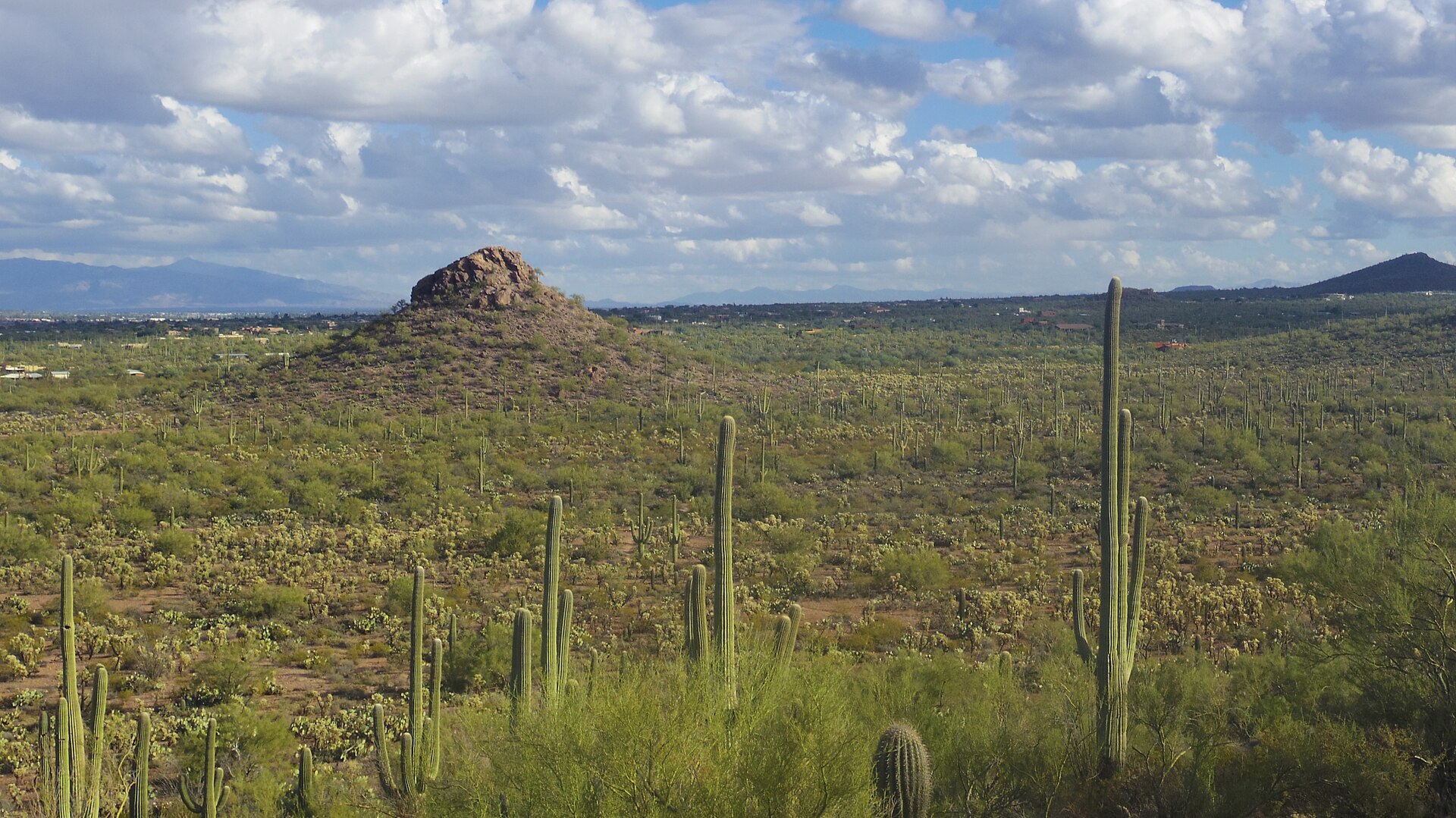
Photo: WClarke, CC BY-SA 4.0, via Wikimedia Commons.