Portland, ME Cost of Living 2026: Rent, Homes, Transit
Portland is Maine’s largest city, with 68,505 residents on a peninsula in Casco Bay and a metro area of about 550,000. The Census puts median gross rent at $1,487 and median home value at $452,600 against a median household income of $76,174, a price-to-income ratio near 6. The city has a voter-approved rent control ordinance, and a 30-year mortgage averaged about 7% in September 2026. This guide covers housing, food, transportation, healthcare and what a household needs to earn to live here.
If you are relocating here, or just running the numbers, this guide will give you real figures and honest tradeoffs. No boosterism, no vague praise. Just what it actually costs to live here and who it makes sense for.
Portland at a Glance
Portland sits on a peninsula in Casco Bay, about 105 miles northeast of Boston. It is the largest city in Maine, which sounds impressive until you remember that Maine is the least densely populated state east of the Mississippi River. The city proper has 68,505 residents. The greater Portland metro area has about 550,000 people, which is where most of the region’s economic activity actually happens.
The median age is 37.5 years. The educational profile is striking. According to U.S. Census Bureau data, 59.2% of residents hold a bachelor’s degree or higher, which is well above the national average of roughly 35%. That figure shapes everything from the job market to the coffee shop conversations.
The median household income sits at $76,174 per year, which sounds comfortable until you factor in what housing actually costs. Portland’s poverty rate is 11.2%, a reminder that economic diversity here is real, even as the city’s reputation skews toward artisan everything. The unemployment rate of 4.4% is below the national figure of 5.2% in the same Census survey.
The vibe is genuinely hard to replicate. The Old Port district has cobblestone streets, independent restaurants, and bars that get rowdy on weekends. The East End has ocean views and the Eastern Promenade. The Portland Farmers’ Market, held in Deering Oaks Park, is a local institution. Arts, music, and outdoor access are all legitimate strengths. Winter is long, cold, and occasionally brutal. That is not a minor footnote.
Housing Costs by Neighborhood
Housing is where the Portland story gets complicated fast. The Census Bureau’s 5-year estimates put the median gross rent at $1,487 per month and the median home value at $452,600. Both of those figures reflect data from the 2019 to 2023 period. In practice, 2026 market rents in desirable neighborhoods are running noticeably higher than that median.
Renting in Portland
The West End is known for its Victorian architecture and walkable streets.
The East End centers on Munjoy Hill, where many modern condominiums have been built. Parkside and Libbytown are other residential neighborhoods worth a look.
The homeownership rate of 46.7% tells an important story. At 46.7%, a slight majority of Portland households rent and about 47% own, but the cost to buy has pushed ownership increasingly out of reach for younger or lower-income households, even those earning close to the median.
Buying in Portland
The median home value of $452,600 is a midpoint, and prices vary by neighborhood.
Off the peninsula, Woodfords Corner and Deering Center are residential areas within the city, and South Portland and Westbrook are neighboring cities.
At a 30-year fixed rate of about 7% (Freddie Mac’s weekly average was 7.03% in late September 2026), a $452,600 home with 10% down produces a monthly principal and interest payment of roughly $2,720. Property taxes add about $418 a month at Portland’s 2024 full value tax rate of $11.09 per $1,000 (about 1.1%), as estimated by Maine Revenue Services, which brings the total above $3,100 a month before homeowner’s insurance and maintenance. On a $76,174 household income, that is genuinely tight.
Food and Groceries
Portland’s food scene is legitimately exceptional for its size. Fore Street and Eventide Oyster Co. are the famous names, but the bench runs deep.
For groceries, Hannaford has a Portland store at 295 Forest Avenue and Shaw’s has one at 1364 Congress Street.
For eating out casually, think coffee at Bard Coffee, a lunch sandwich from Duckfat, or a pizza at Otto.
One genuine advantage: the Portland Farmers’ Market (Saturdays and Wednesdays in Deering Oaks Park from mid-April to late November, then Saturdays only at 631 Stevens Avenue through the winter) offers locally sourced produce and seafood that can actually undercut supermarket prices, especially in summer and fall.
Transportation
Portland is not a walkable city in the way Boston or New York is. The peninsula itself, where most of the restaurants and nightlife are, is very walkable. But the broader metro area is deeply car-dependent. If you live in South Portland, Scarborough, Westbrook, or Falmouth, a car is not optional.
Parking in the Old Port and downtown is a legitimate headache. If your apartment does not include parking, that is a real line item to add to your budget.
METRO, the regional bus system, serves Portland and several surrounding communities. It is adequate for basic commuting on fixed routes but not a full substitute for a car in this metro. Instead of a monthly pass, METRO uses fare capping: since August 1, 2026, riders paying with a DiriGo Pass card or app pay no more than $65 a month for local rides. A handful of Portlanders do rely on bikes year-round (the cycling community here is committed and slightly masochistic given the winters), but most households have at least one vehicle.
Healthcare
Portland is actually well-served for a small city. Maine Medical Center, a Level I trauma center and the flagship of MaineHealth, is the largest hospital in Maine, and MaineHealth is the largest private employer in the state. Mercy Hospital (now part of Northern Light Health) provides additional capacity. For a city of 68,505, the healthcare infrastructure is notably strong.
Costs depend heavily on your insurance situation. Maine expanded Medicaid under the ACA, so lower-income residents have more options than in many states.
Entertainment and Lifestyle
For a city under 70,000 people, Portland offers a remarkable amount to do, most of it skewed toward the outdoors and the table. Casco Bay Lines runs ferry service to the Calendar Islands, and a round-trip adult ticket to Peaks Island costs $16 in peak season (mid-April to mid-October) and $8 off-peak. The Back Cove Trail, a 3.6-mile loop around Back Cove, is free and heavily used. Skiing is available at Sunday River in Newry and Sugarloaf in Carrabassett Valley. The coast, with beaches from Scarborough to Ogunquit, is right there.
An individual membership at the Portland Museum of Art is $60 per year. Nickelodeon Cinemas is at 1 Temple Street, and State Theatre on Congress Street and Aura host live music.
How Portland Compares to Boston and Manchester, NH
The two most natural comparisons are Boston, the regional anchor about 105 miles to the southwest, and Manchester, New Hampshire, the largest city in the Granite State, about 51 miles north-northwest of Boston.
Boston: The same Census survey puts Boston’s median home value at $710,400 and median gross rent at $2,093, well above Portland’s. If you can work remotely at a Boston salary while living in Portland, that arbitrage is real and meaningful. If you are taking a local Portland job, the income difference may offset much of the housing savings.
Manchester, NH: Manchester lacks Portland’s coastal access, but New Hampshire has no state income tax and Manchester is closer to Boston for commuters. If walkability and a vibrant downtown matter to you, Portland is the stronger pick. If you are optimizing for taxes and proximity to Boston, Manchester is a real competitor.
Honest Pros and Cons
The Genuine Upsides
- Food and culture far exceeding city size. The restaurant and arts scene here is not a talking point. It is measurably real.
- Outdoor access. Ocean, mountains, and forests within easy reach. This is not a small thing for people who care about it.
- Educated, engaged community. A 59.2% bachelor’s degree rate shapes the civic and social environment in tangible ways.
- Human scale. You can actually know your city here. Traffic, even on bad days, is manageable. Waits at good restaurants are measured in minutes, not hours.
The Real Downsides
- Housing costs are high relative to local incomes. The median home value of $452,600 against a median household income of $76,174 produces a price-to-income ratio above 5.9x. That is not an affordable housing market by any standard definition.
- Winter is long and real. November through March can be genuinely harsh. Snow, ice, limited daylight, and a seasonal economy that goes quiet all demand psychological preparation.
- Car dependency outside the peninsula. If your budget forces you to live in the suburbs, factor in the cost and friction of a car-centric life.
- Job market limitations. At 68,505 people, the local job market is limited. High-paying private sector roles are available but competitive.
- Rent is a stretch for many households. The 11.2% poverty rate sits alongside a median gross rent of $1,487 a month, and that squeezes lower- and middle-income renters.
Who Portland Makes Sense For
The remote worker with a strong salary. This is probably the best-fit profile in 2026. If you are earning $90,000 or more remotely and value quality of life over career networking, Portland offers a compelling package. Your Boston or New York salary goes meaningfully further here, and you get a real city, not a suburb.
The healthcare or maritime professional. Maine Medical Center and its affiliated network are large employers. If your career is in healthcare, the job market is robust and the cost of living, while not cheap, is manageable on a nursing or administrative salary. Maritime work is also part of the local picture, and the Old Port waterfront still has fishing piers.
The outdoor-oriented couple or family. If skiing, hiking, kayaking, and coast access matter deeply to your lifestyle, Portland puts you close to all of it.
The retiree or near-retiree with equity. If you are selling a home in a high-cost market and bringing equity, Portland is attractive. Maine’s tax treatment of retirement income has some quirks worth reviewing with an accountant, but the lifestyle quality and human scale appeal strongly to this profile.
The Honest Verdict
Portland, Maine is a genuinely good city that has gotten expensive enough to require a clear-eyed plan. The Census figures tell the real story: a median rent of $1,487 per month and a median home value of $452,600 in a city where the median household earns $76,174 per year. Those numbers work if you are a dual-income household, a remote worker with a strong salary, or arriving with outside equity. They are stressful if you are a single earner at the median trying to buy, or a renter watching the gap between income and rent stay stubbornly wide.
What Portland offers in return is not abstract. It is a real food scene, a real outdoor culture, and a real sense of place that most American cities its size simply cannot match. The 11.2% poverty rate is a reminder that not everyone is thriving here equally, and that Portland’s charms are more accessible to some than others.
Come with realistic numbers and a winter coat. The city will hold up its end of the deal.
Frequently Asked Questions
What is the average rent in Portland, ME in 2026?
Is Portland, Maine expensive to live in?
What is the cost of buying a home in Portland, ME in 2026?
Do you need a car to live in Portland, Maine?
What are the main employers in Portland, Maine?
Sources & methodology. Demographic and economic figures in this guide are drawn from the U.S. Census Bureau, 2019 to 2023 American Community Survey 5-Year Estimates. A newer 2020 to 2024 release came out on January 29, 2026; this guide still uses the 2019 to 2023 figures. Other figures come from the sources named next to them.
Last reviewed September 2026.
How this guide was made. Figures come from the U.S. Census Bureau ACS 2019 to 2023 5-year estimates and the other sources named next to each number. A first draft was written with the help of an AI language model; every place name, price, date and claim was then checked against primary sources by the Small City Guide editors (see About and Methodology). Last verified: September 26, 2026.
What changed: Fact-checked against primary sources in September 2026: 12 statements corrected, opening rewritten, photo replaced with a credited image of the city.
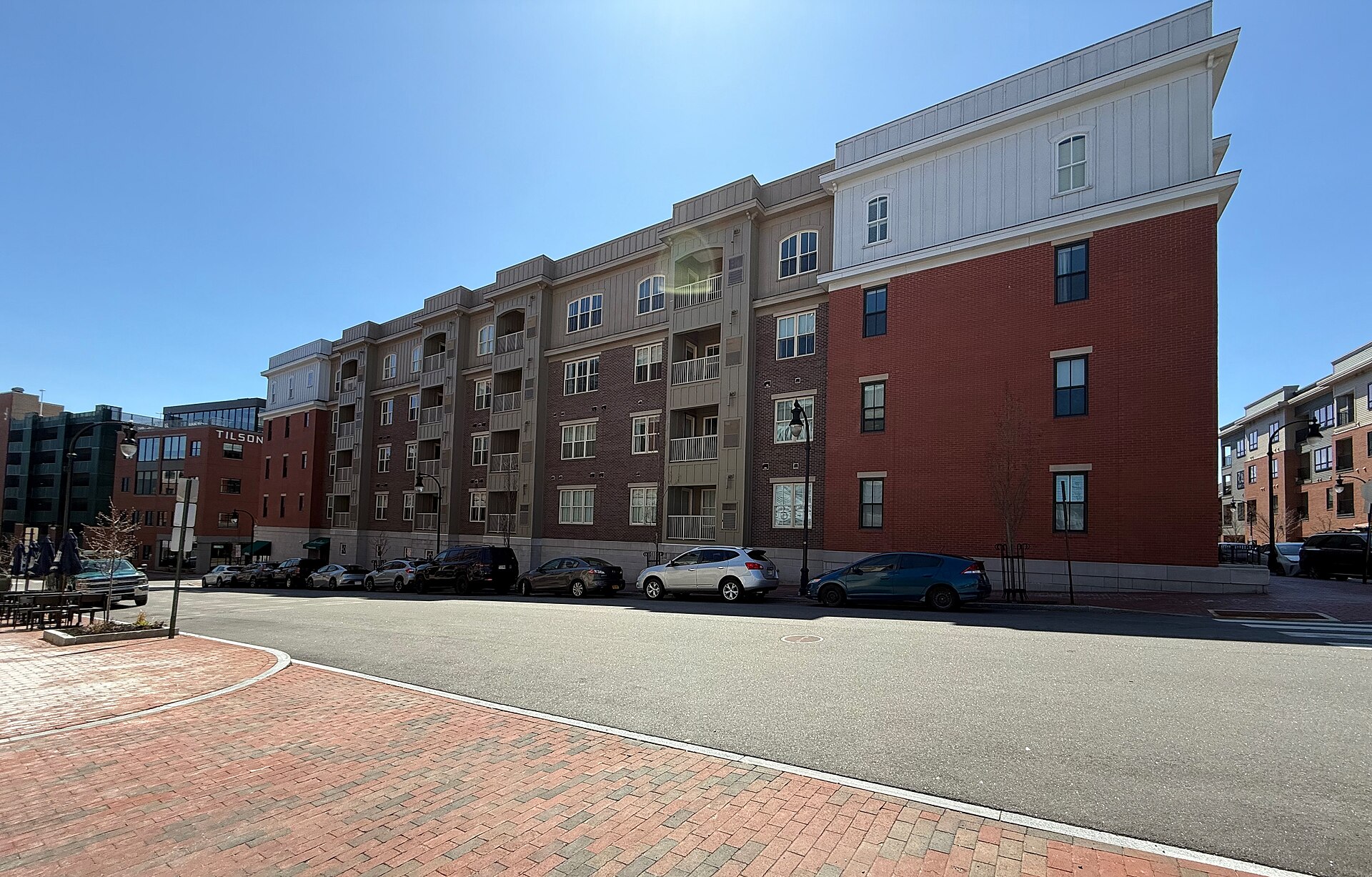
Photo: Seasider53, CC BY 4.0, via Wikimedia Commons.