Conway, AR Cost of Living in 2026: Rent, Homes, Costs
Conway is the Faulkner County seat, about 30 miles north of Little Rock on I-40, and home to the University of Central Arkansas, Hendrix College and Central Baptist College. Census figures put its median gross rent at $986 a month and its median home value at $234,600. Most households need a car, because the only public transit is an app-based on-demand zone run by Rock Region METRO.
A Quick Orientation: What Conway Actually Is
Conway sits about 30 miles north of Little Rock in Faulkner County, and its Census-verified population of 66,288 puts it among Arkansas’s ten largest cities (the 2020 Census count ranked it eighth).
The median age of 29.6 years tells you something important: this is a young city. The University of Central Arkansas (UCA), Hendrix College, and Central Baptist College all operate here, and their combined enrollment shapes everything from the rental market to the coffee shop culture. That youth skews the income data slightly downward, but the median household income of $58,461 per year is still respectable for a city of this size in the mid-South.
The 41.1% of residents holding a bachelor’s degree or higher is notably above Arkansas’s statewide average, which is 25.1% (ACS 2019-2023). Conway punches well above its weight educationally, and that shows up in the types of employers that have landed here: Conway Regional Health System, the University of Central Arkansas, Acxiom and Conway Public Schools, the city’s largest employers in a May 2023 local count, along with manufacturers such as Snap-on.
One figure that deserves honest attention: the poverty rate sits at 18.3%. That’s meaningfully higher than the national rate of 12.4% (ACS 2019-2023), and it reflects a real split in the local economy between university-adjacent professionals and a lower-income service and manufacturing workforce. Conway is affordable, but not universally prosperous.
Housing Costs: Rent and Buying in 2026
Housing is the headline reason people move to Conway, and the numbers hold up under scrutiny.
Renting in Conway
The Census-verified median gross rent is $986 per month.
The homeownership rate of 44% is notably low, which tells you that renting is the dominant lifestyle here, driven heavily by the student population. That demand keeps the rental market active, but it also means good rental properties in desirable areas don’t sit vacant for long.
Buying in Conway
The Census-verified median home value is $234,600, below the national median of $303,400 (ACS 2019-2023). Financing is the bigger variable in 2026: Freddie Mac’s weekly average for a 30-year fixed mortgage was 7.03% on September 24, 2026.
Property taxes are set by millage. The Faulkner County collector’s January 2021 table lists 50.6 mills for Conway City in the Conway School District, charged on assessed value, which in Arkansas is 20% of market value. That works out to roughly 1% of a home’s market value per year before any credits.
Food and Groceries
Conway has two Kroger stores, two Walmart Supercenters plus a Walmart Neighborhood Market, and an ALDI.
Lunch at a local spot like Stoby’s (a Conway institution known for its cheese dip) runs $8.75 to $11.50 on its menu.
Transportation: You Will Need a Car
Let’s be direct: Conway is car-dependent. The public transit system (Rock Region METRO’s METRO Connect Conway, an app-booked on-demand service within a set Conway zone, is the only option) is not a viable daily commute option for most residents. A car is a necessity, not a luxury.
Healthcare
Conway’s healthcare infrastructure is solid for a city of 66,288. Conway Regional Medical Center is the primary hospital, a 180-bed acute care medical center with an emergency department and specialty services including heart, orthopedic and neuro-spine care. Baptist Health Medical Center-Conway, a 120-bed hospital off I-40 that opened in September 2016, is also in town, giving residents a second major system without the drive to Little Rock.
Entertainment and Lifestyle: What You’ll Actually Do Here
Conway’s entertainment calendar is driven partly by the university calendar, which is actually a benefit. UCA’s athletic teams, the Bears and Sugar Bears, compete in NCAA Division I.
Cadron Settlement Park, a city park on the Arkansas River, has hiking trails and a boat ramp. Beaverfork Lake, north of the city, is used for boating and fishing, and the city park on its shore has a fishing pier, a disc golf course and a swimming area.
For a gym, Planet Fitness has a Conway club at 150 E Oak St; its Black Card plan was listed at $24.99 a month plus taxes and fees in September 2025.
Little Rock is 30 miles away and adds meaningful cultural depth: the Arkansas Museum of Fine Arts (formerly the Arkansas Arts Center), the River Market District along the Arkansas River, and Simmons Bank Arena across the river in North Little Rock, the main concert venue for Central Arkansas.
How Conway Compares to Little Rock and Fayetteville
The two logical comparison cities are Little Rock (the state capital, 30 miles south) and Fayetteville (home of the University of Arkansas, in northwest Arkansas).
Conway vs. Little Rock
Little Rock’s median home value of $221,200 (ACS 2019-2023) sits a little below Conway’s $234,600 median, while Little Rock’s median gross rent of $1,067 a month is modestly above Conway’s $986. Little Rock offers more cultural infrastructure, more job diversity, and a more developed restaurant scene.
Conway vs. Fayetteville
Fayetteville is the tougher comparison. It sits within the Ozarks, and buying there costs more: its median home value is $322,500 (ACS 2019-2023), compared with Conway’s $234,600. If your employer is in northwest Arkansas (Walmart, Tyson, J.B. Hunt), Fayetteville makes obvious sense. If you’re flexible on location, Conway is the lower-cost college town.
The Real Pros and Cons of Living in Conway
Pros
- Genuinely low housing costs. A $986/month median rent and $234,600 median home value are hard to argue with. Your dollar stretches here.
- Young, educated community. The 29.6-year median age and 41.1% college-attainment rate create a social environment that doesn’t feel stagnant.
- Low unemployment. At 3.3%, the local unemployment rate is low.
- Easy access to Little Rock. You get small-city calm with a large city 30 miles away when you need it.
Cons
- Car dependency is total. If you don’t drive or prefer walkable urban life, Conway will frustrate you.
- The poverty rate is significant. At 18.3%, well above the national rate of 12.4%, economic inequality is real.
- Limited cultural autonomy. Conway’s entertainment scene depends heavily on the university calendar. Outside of that, independent cultural programming is thin.
- The rental market skews toward student housing. Finding a quality long-term rental that isn’t designed for a 20-year-old takes patience.
Who Conway Is Right For
The Young Professional Relocating from a High-Cost City: If you’re leaving Austin, Nashville, or Denver and your remote job pays market-rate salaries, Conway is almost absurdly affordable. Your $90,000 salary goes significantly further here than the $58,461 local median, and you can buy a solid home without a decade of saving.
The University Employee or Academic: With three colleges in one city, there’s a consistent demand for administrators, faculty, and support staff. UCA alone employs over 1,400 people. Campus-adjacent housing, walkable to at least the university core, exists here in a way it doesn’t in many mid-South cities.
The Arkansas Native Returning Home: For Arkansans moving back to the state, Conway offers a workable middle ground: three colleges, two hospitals, and Little Rock 30 miles away.
The Bottom Line
Conway, AR in 2026 is a city that delivers on its core value proposition: low housing costs, reasonable employment, and a young community that keeps things from feeling sleepy. The median rent of $986/month and home value of $234,600 are real figures, not marketing spin, and they represent genuine financial breathing room for most income levels.
The honest caveat is that Conway asks something of you in return. You accept car dependency. You accept that cultural nightlife and walkability are not on the menu. You accept that the city’s 18.3% poverty rate reflects a real economic gap. None of that is disqualifying, but it’s worth knowing before you make the move.
For the right person, Conway, AR offers something increasingly rare: a city where a normal income actually covers a normal life, with room left over. That’s worth taking seriously.
Frequently Asked Questions
What is the average rent in Conway, AR in 2026?
Is Conway, AR a good place to buy a home?
How does Conway, AR compare to Little Rock for cost of living?
What is the average salary in Conway, AR?
Sources & methodology. Demographic and economic figures in this guide are drawn from the U.S. Census Bureau, 2019 to 2023 American Community Survey 5-Year Estimates. A newer 2020 to 2024 release came out on January 29, 2026; this guide still uses the 2019 to 2023 figures. Other figures come from the sources named next to them.
Last reviewed September 2026.
How this guide was made. Figures come from the U.S. Census Bureau ACS 2019 to 2023 5-year estimates and the other sources named next to each number. A first draft was written with the help of an AI language model; every place name, price, date and claim was then checked against primary sources by the Small City Guide editors (see About and Methodology). Last verified: September 26, 2026.
What changed: Fact-checked against primary sources in September 2026: 11 statements corrected, opening rewritten, photo replaced with a credited image of the city.
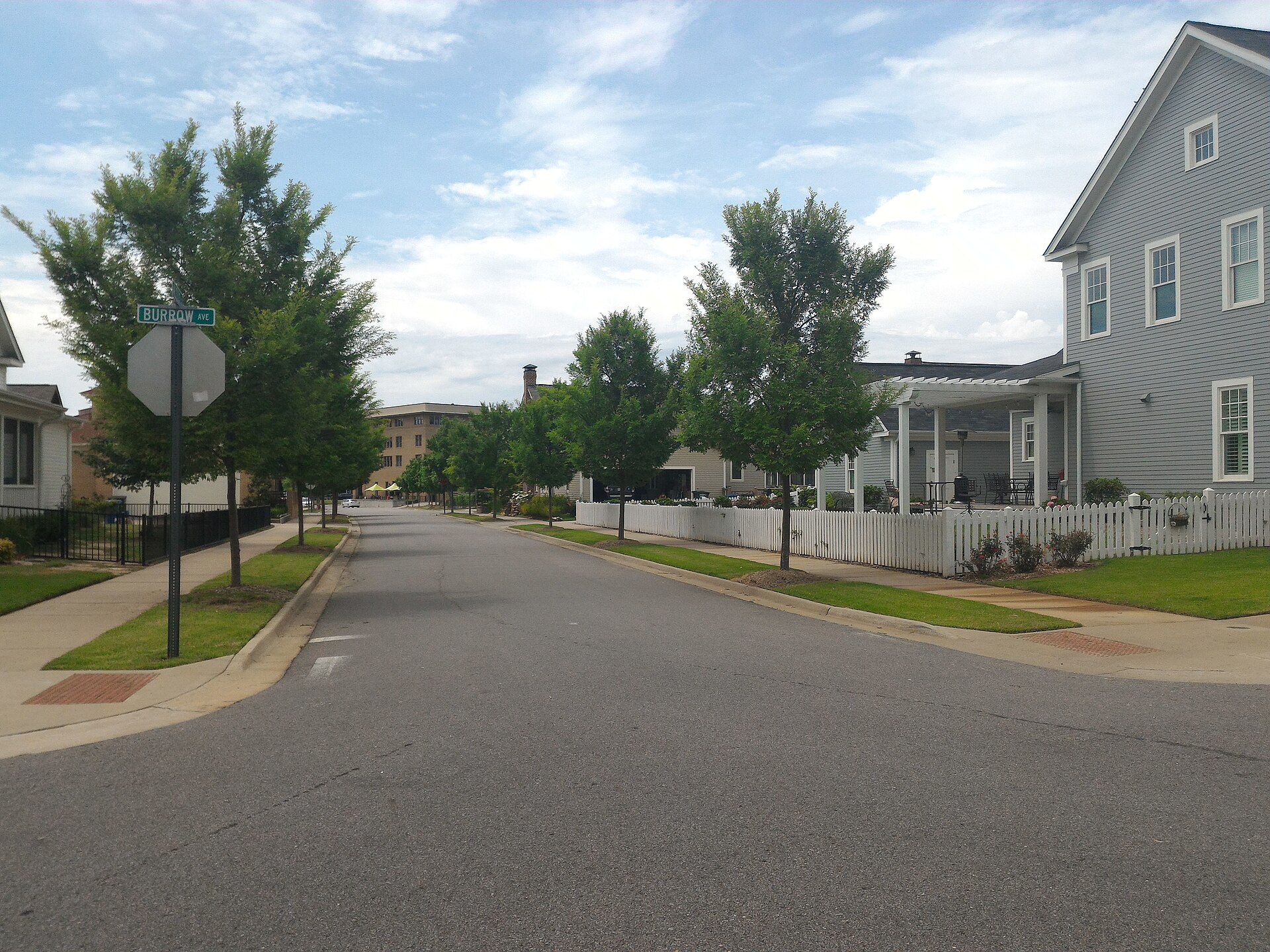
Photo: U458625, CC BY-SA 4.0, via Wikimedia Commons.