Tuscaloosa, AL Cost of Living 2026: Rent, Gas, Healthcare
Tuscaloosa, home of the University of Alabama, sits on the Black Warrior River about 60 miles southwest of Birmingham. Census figures for 2019 to 2023 put the median gross rent at $1,005 a month and the median home value at $236,600, both well below national levels. Incomes are lower as well, with a median household income of $48,536 and a 23.8% poverty rate, numbers shaped in part by the large student population. This guide covers what housing, food, transportation and healthcare cost in 2026.
Tuscaloosa at a Glance
Tuscaloosa sits on the Black Warrior River in west-central Alabama, about 60 miles southwest of Birmingham on I-20/59. It’s the fifth-largest city in the state and the seat of Tuscaloosa County. The University of Alabama dominates the cultural gravity here, which explains the median age of 28.2 years. That youth shapes the city: there is a student entertainment district known as The Strip, and the city calendar is built largely around football in the fall.
The median household income is $48,536 per year, which sits notably below the U.S. median of $78,538 for the same 2019 to 2023 period. That gap matters. It means local wages for non-university and non-healthcare jobs tend to be modest. Still, 38.1% of residents hold a bachelor’s degree or higher, reflecting a more educated population than the Alabama average, and the university continuously generates jobs in education, research, and administration. The homeownership rate of 45.1% is lower than the national average of about 65%.
Housing Costs: Renting and Buying in 2026
Housing is where Tuscaloosa delivers its clearest advantage. The Census Bureau’s median gross rent for 2019 to 2023 is $1,005 per month, against $1,348 for the United States as a whole.
Northport
Northport is a separate city across the Black Warrior River from downtown Tuscaloosa. Census figures for 2019 to 2023 put its median gross rent at $954 a month and its median home value at $258,800.
Buying a Home
The Census Bureau pegs the median home value at $236,600. A 20% down payment on the median home means roughly $47,320 upfront. At Freddie Mac’s September 24, 2026 average 30-year fixed rate of 7.03%, principal and interest on the remaining $189,280 comes to about $1,260 a month, before property taxes and insurance.
Transportation
Put plainly: you need a car in Tuscaloosa. The city’s bus system, the Tuscaloosa Transit Authority, runs a set of fixed routes, and students, faculty and staff ride its University Shuttle between campus and downtown at no charge. The university also runs its own Crimson Ride buses. Most errands require driving, and the city’s sprawling commercial development along McFarland Boulevard and Skyland Boulevard was designed entirely around automobiles.
Gas prices in Tuscaloosa track the Alabama average, which runs below the national average. On September 27, 2026, AAA put regular unleaded at about $4.08 a gallon in the Tuscaloosa metro, against $4.48 nationally, up from about $3.71 a month earlier and $2.74 a year earlier. At that price, driving 1,000 miles a month in a car that gets 30 miles per gallon costs about $136 in gas.
If you work on campus, the University of Alabama’s 2025-2026 regular faculty and staff parking permit cost $345 for the year, and a reserved permit cost $660.
Healthcare
DCH Regional Medical Center, the flagship of the DCH Health System, is a 583-bed hospital with specialty units for cardiac and cancer care and what DCH describes as the region’s advanced trauma center. The University of Alabama also runs a Student Health Center and the University Medical Center through its College of Community Health Sciences. For specialty care, many residents travel to Birmingham, home of UAB Medicine.
Alabama has not adopted the ACA Medicaid expansion, according to KFF’s state tracker, so low-income adults have fewer coverage options than in most states. The poverty rate here is 23.8%.
Entertainment and Lifestyle
The entertainment economy here is split into two modes: football season and everything else. During the fall, the city is electric and brutally crowded. Game-day traffic and packed restaurants are the downsides. The upside is a genuine community energy that’s hard to manufacture.
The rest of the year, there’s more going on than the city’s reputation suggests. The Mercedes-Benz Amphitheater (called the Tuscaloosa Amphitheater until late 2023), at the end of the Riverwalk, brings in touring acts. The Riverwalk along the Black Warrior River is genuinely pleasant for cycling and walking. The University’s museums, including the Alabama Museum of Natural History, are free or low cost: the Alabama Museum of Natural History charges adults $5 and is free for UA faculty, staff and students. Movies play at CMX Cinemas Hollywood 16 & IMAX on Old Greensboro Road.
How Tuscaloosa Compares to Birmingham and Huntsville
Birmingham, 60 miles northeast, is the obvious comparison, and by Census measures it is not the more expensive city. For 2019 to 2023, Birmingham’s median gross rent was $1,047 a month and its median home value was $138,600, against $1,005 and $236,600 in Tuscaloosa. Birmingham’s median household income was lower, at $44,376. Huntsville, now Alabama’s largest city by population, has grown with the defense and aerospace work around Redstone Arsenal. Its median gross rent was $1,078, its median home value $263,100 and its median household income $70,778, well above Tuscaloosa’s $48,536. Tuscaloosa is cheaper than Huntsville on both housing measures, though the wage gap means the affordability advantage is partially offset by lower local earning potential.
The honest summary: if you’re relocating for a specific job at UA or DCH, or if you’re a remote worker with income from outside the local market, Tuscaloosa’s lower cost structure is a genuine financial advantage. If you’re job-hunting locally, compare openings in Huntsville, where the 2019 to 2023 median household income was $70,778.
Honest Pros and Cons
The Real Advantages
- Rent and home prices are legitimately affordable. A $1,005 median rent and $236,600 median home value compare with national medians of $1,348 and $303,400 for the same 2019 to 2023 period.
- A young, energetic population. The median age of 28.2 means the social scene skews active, and the university constantly refreshes the culture.
- Cheaper gas. On September 27, 2026, AAA’s Tuscaloosa average for regular was about $4.08 a gallon, against $4.48 nationally.
- Birmingham is about 60 miles away. You can reach a larger city’s amenities and UAB Medicine’s specialty care.
- Strong sense of local identity. Whatever you think of college football, it creates genuine community cohesion and a very loyal local fanbase for restaurants, events, and shops.
The Real Drawbacks
- Wages are modest. A $48,536 median household income leaves limited financial slack, especially for families who don’t benefit from university employment.
- The poverty rate is high. At 23.8%, a large share of residents live below the poverty line.
- Car dependency is total. There is no practical way to live here without a vehicle unless you’re a student in a specific campus-adjacent apartment.
- A concentrated job market. The Census 2019 to 2023 survey average put unemployment at 7%, but Bureau of Labor Statistics estimates for January to July 2026 ranged from 2.9% to 5.1% (not seasonally adjusted), close to the national rate. Hiring is narrow, and it reflects a local job market that’s heavily concentrated in the university and healthcare sectors. Non-university job seekers may struggle.
- Alabama’s Medicaid gap is real. Healthcare affordability is a genuine concern for lower-income residents.
- Game weekends are genuinely disruptive. Seven home games per season means traffic, noise, and logistical chaos for residents near campus.
Who Is Tuscaloosa Right For?
The University Employee or Graduate Student
This is the most obvious fit. If the University of Alabama is paying your salary or your stipend, Tuscaloosa’s cost structure works strongly in your favor. Affordable rent near campus, free or low-cost cultural events through the university, and a built-in community of colleagues make this an easy place to live well on an academic income.
The Remote Worker Earning Non-Local Wages
If your income comes from a company headquartered in Austin, New York, or Seattle, and you’re free to live anywhere, Tuscaloosa can stretch that salary considerably. A $1,005 median rent against $1,348 nationally and gas below the national average are a real draw.
The Young Professional Rooting into Alabama
Someone early in a career in healthcare, education, social services, or local government who is realistic about the wage ceiling and wants to build equity early can do well here. The $236,600 median home value is well below the $303,400 national median.
The Retiree on a Fixed Income
Alabama has favorable tax treatment for retirement income, and Tuscaloosa’s low cost of living is a genuine asset for anyone managing a fixed budget. Access to DCH Regional Medical Center and proximity to Birmingham’s UAB Medicine for specialized care means healthcare needs don’t require a major city premium. The mild winters are a bonus. The summers are brutally hot and humid, which is the main lifestyle caveat.
The Bottom Line
Tuscaloosa is not a city that dazzles on a first impression. It’s a place that rewards people who arrive with the right context. The affordability is real and measurable. The $1,005 median rent and $236,600 median home value sit well below the national medians of $1,348 and $303,400. The tradeoffs are equally real: modest local wages, a high poverty rate, complete car dependency, and a job market in which the University of Alabama is the largest employer. Come here for a specific reason, whether that’s a university position, remote-work arbitrage, or early homeownership, and the numbers work in your favor. Come here hoping the market will supply a well-paying job in a diverse industry and you’ll likely be underwhelmed. Know which category you’re in before you sign a lease.
Frequently Asked Questions
What is the average rent in Tuscaloosa, AL in 2026?
Is Tuscaloosa, AL a good place to live outside of football season?
What are the best neighborhoods in Tuscaloosa for families?
Is Tuscaloosa, AL cheaper than Birmingham, AL?
Sources & methodology. Demographic and economic figures in this guide are drawn from the U.S. Census Bureau, 2019 to 2023 American Community Survey 5-Year Estimates. A newer 2020 to 2024 release came out on January 29, 2026; this guide still uses the 2019 to 2023 figures. Other figures come from the sources named next to them.
Last reviewed September 2026.
How this guide was made. Figures come from the U.S. Census Bureau ACS 2019 to 2023 5-year estimates and the other sources named next to each number. A first draft was written with the help of an AI language model; every place name, price, date and claim was then checked against primary sources by the Small City Guide editors (see About and Methodology). Last verified: September 26, 2026.
What changed: Fact-checked against primary sources in September 2026: 6 statements corrected, opening rewritten, photo replaced with a credited image of the city.
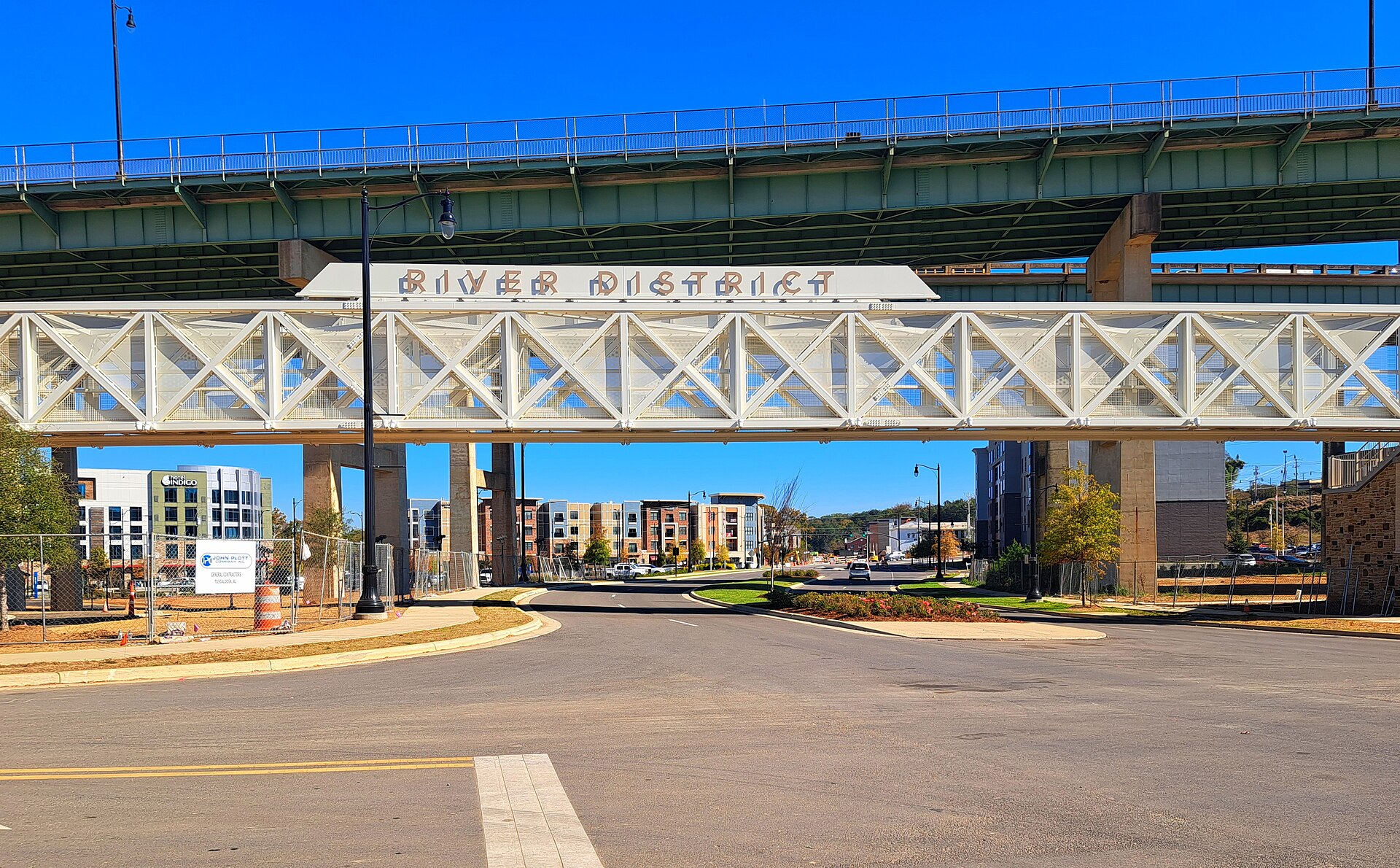
Photo: RhYno12, CC0, via Wikimedia Commons.