Cost of Living in Mobile, AL: 2026 Budget Guide
Mobile sits at the head of Mobile Bay, about 145 miles east of New Orleans, and was founded by French colonists in 1702. The Census Bureau’s 2019-2023 survey puts its median household income at $51,090 and its median home value at $170,300, which keeps homeownership within reach for many working households. Since August 2025, Amtrak’s Mardi Gras Service has connected the city to New Orleans with two round trips a day.
But Mobile is not without friction. A poverty rate of 18.9% means real economic strain runs through parts of the city. The Census survey average unemployment rate for 2019 to 2023 was 5.9%, but Bureau of Labor Statistics estimates for January to July 2026 ranged from 3.5% to 4.7% (not seasonally adjusted), close to the national rate. Public transit is genuinely limited. The summers are brutal in a way that feels personal. Anyone moving here should go in clear-eyed, and this guide is designed to help you do exactly that.
Overview: What Kind of City Is Mobile?
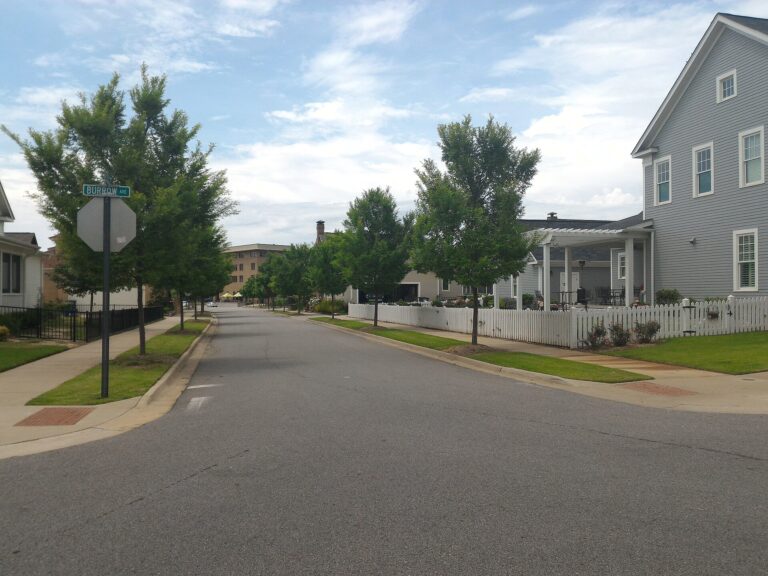
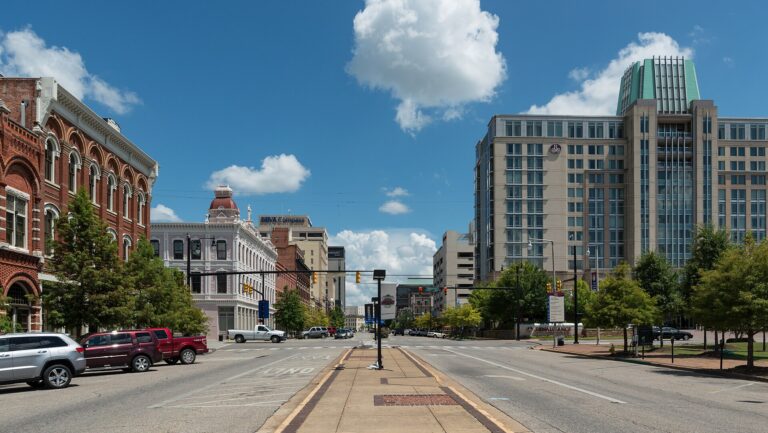
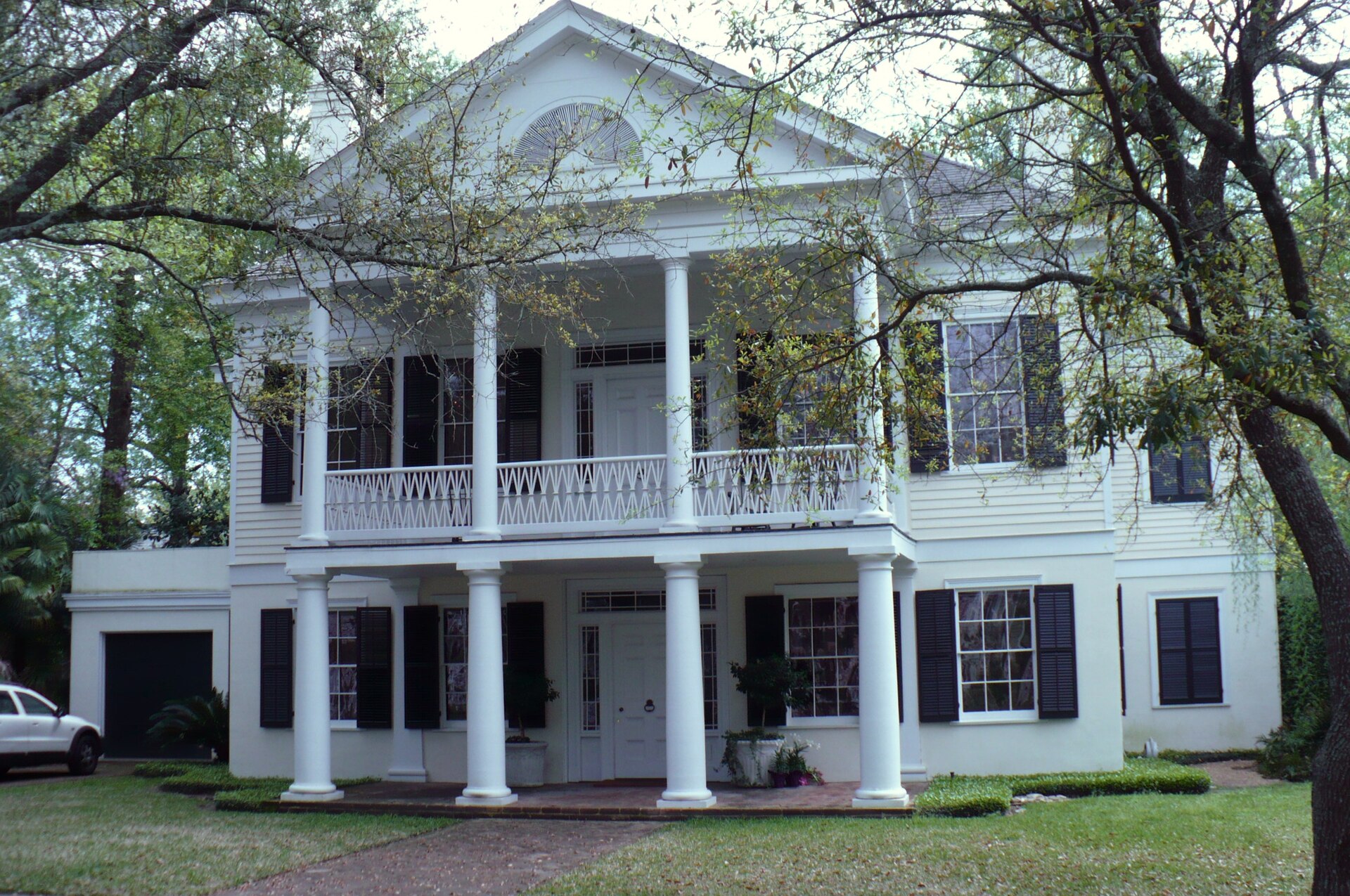
Mobile is the oldest city in Alabama, founded in 1702, and that history shows up in the built environment. The Oakleigh Garden Historic District has the kind of antebellum cottages and craftsman bungalows that get called “charming” in real estate listings and actually are. The downtown is a short walk from the Mobile River, and the city has been slowly, patchily revitalizing its core for the better part of two decades.
The median age of 37.7 years is close to the national average, which means you are not looking at a retirement community or a college town. It skews working-age, family-oriented, and grounded. About 31.5% of residents hold a bachelor’s degree or higher, which is below the national figure but reflects a workforce economy tied to manufacturing, healthcare, the Port of Mobile (one of the largest in the country), and Airbus, which assembles commercial aircraft here.
The vibe is slow in the good sense. Traffic rarely turns into the kind of existential crisis that eats an hour of your morning. Mardi Gras (Mobile’s is the oldest organized Carnival celebration in the United States) gives the social calendar real texture. The food scene is genuinely good, especially anything involving Gulf seafood.
Housing Costs by Neighborhood
The Census Bureau’s 2019-2023 ACS data puts the median home value at $170,300 and median gross rent at $1,029 per month. Those figures are not mirages, and they are the core proposition here.
Buying
The homeownership rate of 51.4% tells you something important: just over half of Mobile households own their home. For a city at this income level, that is a meaningful signal that ownership is achievable, not aspirational.
- Midtown and the Leinkauf Historic District: Historic districts listed on the National Register of Historic Places, with late Victorian homes among their older houses.
- Spring Hill: An established neighborhood within city limits and home to Spring Hill College.
- Tillmans Corner (unincorporated, just outside the city line) and West Mobile: More suburban sprawl and car-dependent living.
- Prichard and Eight Mile (just north of the Mobile city line; Prichard is its own city and Eight Mile is unincorporated): Separate jurisdictions, so taxes and services differ from those inside Mobile.
- Daphne / Fairhope (Eastern Shore, across the bay): Cities in Baldwin County on the eastern shore of Mobile Bay, outside Mobile city limits and outside Mobile County.
Renting
The median gross rent of $1,029 a month is the Census figure for the city overall, and individual units vary with age, size and location.
At the median gross rent of $1,029 a month, a household earning the median income of $51,090 spends about 24% of its gross income on rent, which is the Mobile argument in a single sentence.
Food and Groceries
Eating out is where Mobile genuinely earns goodwill. Long-running local seafood names include The Original Oyster House, on the Mobile Causeway, and Wintzell’s Oyster House, which began in 1938 as a six-stool oyster bar on Dauphin Street.
Transportation
Mobile is a car city. Full stop. The Wave Transit system exists and runs fixed routes, but it is not realistic to rely on it for most commutes. If you are coming from a city with functional public transit, recalibrate your expectations before you arrive.
Most residents drive, and commutes within the city are manageable. The tunnel under the Mobile River can back up during peak hours, but it is not the kind of structural gridlock that defines larger metros.
On September 27, 2026, AAA put regular unleaded at about $4.04 a gallon in Mobile, below the national average of $4.48 but up from about $3.69 a month earlier and $2.74 a year earlier. A commuter who fills a 12-gallon tank once a week spends about $210 a month on fuel at September 2026 prices.
Healthcare
Mobile is reasonably well-served for a city its size. The two main healthcare anchors are USA Health, the University of South Alabama’s academic health system, which runs University Hospital (Mobile’s only Level I trauma center), Children’s & Women’s Hospital and Providence Hospital, and Infirmary Health, a local nonprofit system with multiple campuses including Mobile Infirmary Medical Center. Both systems offer a broad range of specialties, and residents are not regularly driving to Birmingham for care the way people in smaller Alabama towns sometimes are.
Franklin Primary Health Center in Mobile publishes a 2026 sliding fee schedule for patients, which matters in a city where 18.9% of residents live in poverty.
Entertainment and Lifestyle
The cost of fun in Mobile is low relative to what you get. The USS Alabama Battleship Memorial Park charges $18 for ages 12 to 55 ($15 for ages 55 and over), plus $5 to park. The Mobile Museum of Art is $12 for adults, and free to Mobile County residents on Thursdays. Mardi Gras parades run for weeks, not just Fat Tuesday: in the last two weeks before Mardi Gras, at least one major parade rolls each day.
Local music venues like Soul Kitchen and the Saenger Theatre provide live entertainment.
The one quality-of-life friction point is the climate. A 2007 study found Mobile to be the wettest city in the contiguous 48 states, with about 66 inches of rain in an average year. Summers are hot and humid, and July and August bring frequent, often heavy thunderstorms. Hurricane season is real, and flood insurance is worth pricing before you buy.
Mobile vs. Two Nearby Larger Cities
Mobile vs. New Orleans, LA
New Orleans sits about 145 miles west by rail and offers more cultural infrastructure and a stronger national profile. For someone who wants Gulf Coast culture and food at Mobile’s housing costs, Mobile is a legitimate alternative.
Mobile vs. Birmingham, AL
Birmingham, to the north, functions as Alabama’s economic hub. It has a more developed job market, particularly in healthcare (UAB is the state’s largest employer), finance, and tech. Mobile’s coastal access gives it an edge for lifestyle, but Birmingham wins on raw job market depth.
Honest Pros and Cons
Pros
- Housing affordability is real. A $170,300 median home value means a household earning $51,090 a year can reasonably pursue ownership, not just dream about it.
- Gulf seafood and local food culture punch well above the city’s weight class.
- Mardi Gras, festivals, and a genuine sense of place give Mobile cultural texture that many cities twice its size cannot manufacture.
- Manageable commutes reduce daily friction.
- Port and aerospace industries (Airbus, Austal USA) provide stable, blue-collar-to-professional employment anchors.
Cons
- Poverty rate of 18.9% and unemployment at 5.9% reflect an economy that does not work equally well for everyone. If your career is in tech, finance, or media, the local job market will be thin.
- Car dependency is total. No car means significant lifestyle limitations.
- The climate is punishing. Extreme heat, extreme rain, and hurricane risk are not minor inconveniences.
- Flood insurance costs add a recurring expense many newcomers underestimate.
- The revitalization of downtown is real but uneven. Some blocks feel vibrant; others feel stalled.
Who Mobile Is Right For
The Affordability-First Relocator
You are leaving a high-cost metro, probably in the Southeast or Northeast, and your primary goal is stretching your income further. At a median rent of $1,029 and home values that have not yet gone stratospheric, Mobile lets a household near the city’s median income of $51,090 build equity instead of only paying rent. This is probably Mobile’s strongest pitch.
The Remote Worker with Coastal Ambitions
You work remotely and want beach access, low costs, and a real city rather than a resort town. Mobile sits on the Gulf Coast, and its Census median home value of $170,300 keeps housing costs low for a remote salary.
The Trades and Industrial Professional
The Port of Mobile, Airbus, Austal USA, and a cluster of manufacturing and logistics operations create real demand for skilled tradespeople, engineers, logistics professionals, and support roles. If your career fits that ecosystem, Mobile is one of the better mid-sized cities in the South to plant roots.
The Retiree on a Fixed Income
Lower housing costs matter most on a fixed income. The healthcare infrastructure at USA Health and Infirmary Health is solid enough to not require regular trips elsewhere.
Final Verdict
Mobile is not trying to be a boomtown, and that restraint is oddly refreshing. The numbers are genuine: a $170,300 median home value and $1,029 median rent in the Census Bureau’s 2019-2023 survey are not statistical illusions, they reflect a city where the cost of living aligns with what a normal working person actually earns.
The friction is real too. The 18.9% poverty rate means economic precarity is not abstract here. The job market rewards certain industries and leaves others wanting. The climate will test your commitment every summer. And if you need walkability or public transit, Mobile will frustrate you in ways that feel structural rather than fixable.
For the right person, though, this city offers something increasingly rare: actual affordability paired with actual culture. The Gulf is close. The food is good. The history is layered. And you can afford a house. In 2026, that combination is not something to dismiss lightly.
Frequently Asked Questions
What is the average rent in Mobile, AL in 2026?
Is Mobile, AL a good place to buy a house in 2026?
What industries are hiring in Mobile, AL?
How does Mobile, AL compare to New Orleans for cost of living?
Does Mobile, AL flood, and how much does flood insurance cost?
Sources & methodology. Demographic and economic figures in this guide are drawn from the U.S. Census Bureau, 2019 to 2023 American Community Survey 5-Year Estimates. A newer 2020 to 2024 release came out on January 29, 2026; this guide still uses the 2019 to 2023 figures. Other figures come from the sources named next to them.
Last reviewed September 2026.
How this guide was made. Figures come from the U.S. Census Bureau ACS 2019 to 2023 5-year estimates and the other sources named next to each number. A first draft was written with the help of an AI language model; every place name, price, date and claim was then checked against primary sources by the Small City Guide editors (see About and Methodology). Last verified: September 26, 2026.
What changed: Fact-checked against primary sources in September 2026: 12 statements corrected, opening rewritten, photo replaced with a credited image of the city.
Photo: Altairisfar, Public domain, via Wikimedia Commons.