Huntsville, AL Cost of Living in 2026
Huntsville’s median household income is $70,778, about 10% below the national median, but its median home value of $263,100 and median rent of $1,078 keep housing within reach for many households (Census ACS 2019 to 2023). The city passed Birmingham as Alabama’s largest in the 2020 census and was estimated at 233,627 residents in 2025. Alabama taxes income at 2% to 5%, and Tennessee does not, which matters when comparing Huntsville with Nashville. This guide covers rent, home prices, transportation, healthcare and everyday costs.
Here is the full picture for 2026.
Overview: Who Lives Here and What the City Feels Like
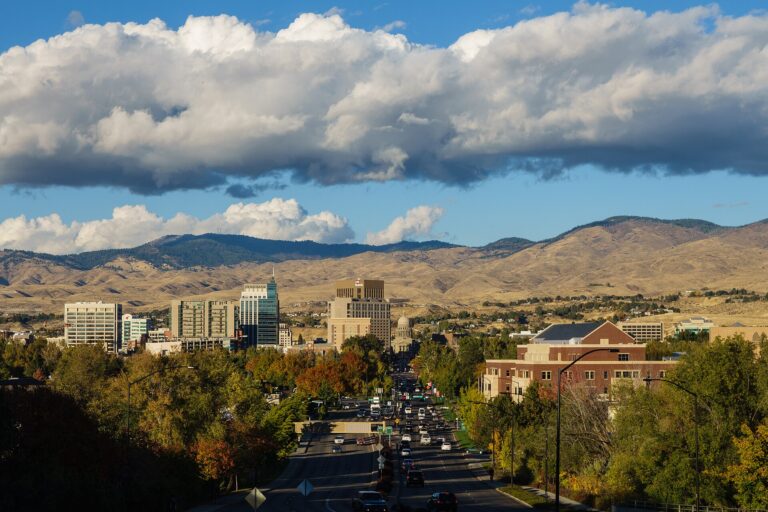
Huntsville sits in the Tennessee Valley in northern Alabama. The city’s population was estimated at 233,627 as of July 1, 2025, up 8.7% since the 2020 census, and it is among the 20 fastest-growing cities in the United States. The growth is not accidental. Redstone Arsenal and NASA’s Marshall Space Flight Center anchor an enormous defense and aerospace economy, and that has attracted a string of large contractors, Toyota, and a growing tech sector that keeps pulling in educated workers from across the country.
The median age of 36.4 years reflects a city that is not a college-town bubble. The University of Alabama in Huntsville adds some student energy, but this is primarily a working professional city. The education level is striking: 46.2% of residents hold a bachelor’s degree or higher, which puts Huntsville well above the national figure of 35.0% in the same survey. That figure matters for quality of life because it shapes everything from the restaurant scene to the cultural programming to the quality of public discourse.
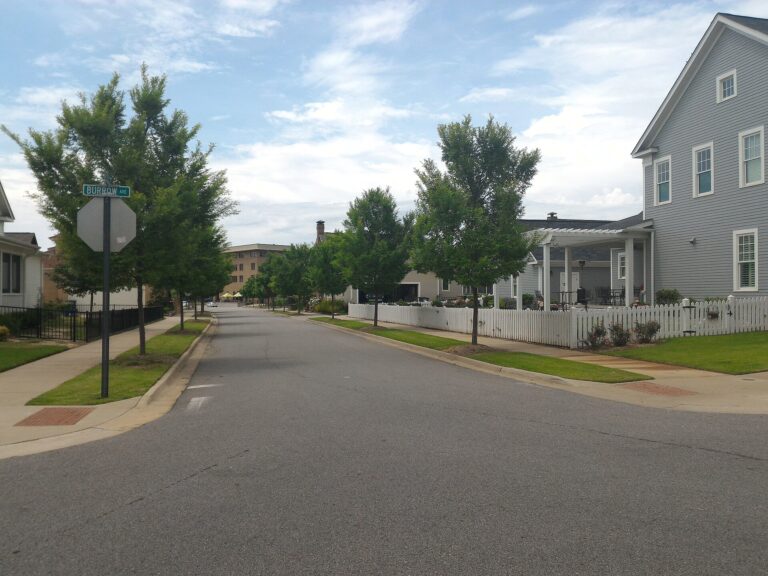
The vibe is a mix of Southern hospitality, engineering-culture pragmatism, and a rapidly expanding food and arts scene that still surprises first-time visitors. Downtown has genuinely improved. The Rocket Center, the Lowe Mill arts complex and the historic courthouse square downtown give the city more texture than its aerospace-suburb reputation suggests. That said, this is still a car city. Vast subdivisions, strip malls, and a near-total absence of meaningful public transit define most of the daily geography.
The median household income of $70,778 per year is the number that sets the stage for everything below. It sits about 10% below the national median of $78,538 (same ACS 2019 to 2023 survey), which means Huntsville is not a wealthy enclave, but it is not a struggling industrial city either. Housing costs less than in Nashville, where the same survey puts the median gross rent at $1,486 and the median home value at $383,100.
Housing Costs by Neighborhood: Rent and Buying in 2026
Housing is the biggest line item for most families, so let’s get specific. The Census-verified median home value is $263,100, and the median gross rent is $1,078 per month. Both figures are from the 2019 to 2023 ACS five-year estimates, so current asking prices may differ.
Renting in 2026
The homeownership rate of 58.1% tells you that most Huntsville households own rather than rent.
Five Points is a historic district in Huntsville. Madison is a separate city that is part of the Huntsville metro area. Hampton Cove sits on the eastern side, in the coves beyond Monte Sano Mountain.
Buying in 2026
Freddie Mac’s weekly survey put the average 30-year fixed mortgage rate at 7.03% as of September 24, 2026. At that rate, a $290,000 home with 10% down carries a monthly principal and interest payment of roughly $1,740 on a 30-year loan, before property taxes and insurance.
Food and Groceries: The Monthly Reality
Grocery options include Kroger, Aldi and a Whole Foods on Memorial Parkway SW.
Transportation: Budget for a Car
There is no realistic version of Huntsville life without a car. The city-run Orbit bus system operates fixed routes, mainly around downtown, Memorial Parkway and University Drive, but coverage is sparse, frequencies are low, and virtually nothing in the suburbs is walkable. Plan your budget around owning and operating at least one vehicle per working adult.
Alabama’s state gas tax of 31 cents per gallon sits near the middle of state rates.
Healthcare: What to Know Before You Move
Huntsville is well-served for a city its size. Huntsville Hospital, part of the Huntsville Hospital Health System, is the primary regional anchor and the second-largest hospital in Alabama, with 881 beds. Crestwood Medical Center and the HH Health System’s network of outpatient clinics round out a fairly competitive local market.
Alabama has not expanded Medicaid, which is a meaningful structural issue. The poverty rate here is 13.8%, and a significant portion of those residents fall into the coverage gap that Medicaid expansion would close. For anyone budgeting near that income level, healthcare access is a real consideration, not an abstraction.
Entertainment and Lifestyle Costs
The U.S. Space and Rocket Center is the city’s signature attraction at $30 per adult for general admission. Monte Sano State Park on the eastern ridge offers hiking and mountain biking for a $5 adult gate fee (annual passes are $100 individual, $150 family), and the city has a network of greenways. Outdoor recreation is one of Huntsville’s genuine cost-of-living advantages: the natural amenities are world-class and mostly free.
The Von Braun Center hosts concerts, shows and other events.
How Huntsville Compares to Nashville and Birmingham
Nashville is the obvious comparison. In the same ACS 2019 to 2023 survey, Nashville’s median gross rent was $1,486 per month versus $1,078 in Huntsville, and its median home value was $383,100 versus $263,100. Tennessee has no individual income tax, while Alabama taxes personal income at 2%, 4% or 5% depending on income and filing status, so the income tax comparison favors Nashville. Nashville’s job market is broader and more diversified, but Huntsville’s defense and aerospace sector pays well and offers exceptional job stability, which narrows the practical gap considerably for the right candidate.
Birmingham is the other in-state comparison. Huntsville’s education attainment rate of 46.2% dramatically outpaces Birmingham’s. Rents are close between the two cities (median gross rent of $1,047 in Birmingham and $1,078 in Huntsville), and Huntsville’s median home value of $263,100 is nearly double Birmingham’s $138,600, but Huntsville’s newer infrastructure and stronger job market in high-wage sectors give it a meaningful edge for most professional households. Birmingham has a richer cultural history and a more developed restaurant scene in certain pockets, which is a real tradeoff worth naming.
Honest Pros and Cons
The Real Advantages
- Housing value is genuine. A $263,100 median home value buys a real house with a yard, not a one-bedroom condo. That is not true in most similarly educated, similarly employed cities.
- Aerospace and defense jobs are local. Redstone Arsenal and NASA’s Marshall Space Flight Center anchor that work locally, with no need to commute to a larger city.
- Outdoor access is exceptional. Monte Sano, the Tennessee River and Land Trust of North Alabama trails give outdoorsy residents plenty of options close to home.
- A moderate state income tax. Alabama’s top income tax rate is 5%, applied to taxable income over $3,000 for single filers and over $6,000 for joint filers.
The Real Downsides
- Car dependency is non-negotiable. If you do not want to own a car, Huntsville is the wrong city. Full stop.
- Summers are hot and humid. Huntsville has a humid subtropical climate, and summer heat pushes up air-conditioning use and electricity bills.
- The poverty rate of 13.8% signals uneven prosperity. The defense economy lifts a specific segment of the population significantly, but that prosperity is not evenly distributed across the city, and certain neighborhoods reflect that gap clearly.
- Cultural and dining diversity is still developing. Huntsville is not Nashville or Atlanta. If that matters to you, name it before you move.
Who Huntsville Actually Makes Sense For
The defense or aerospace professional. If you have a clearance, an engineering background, or a defense contracting role, Huntsville is arguably the best mid-sized city in the country for your career and your wallet simultaneously. The job density in your sector is extraordinary for a city this size, and the combination of high salaries and moderate housing costs is difficult to replicate anywhere else.
The young family prioritizing homeownership. The 58.1% homeownership rate reflects the fact that this path is actually accessible, not aspirational.
The remote worker relocating from a high-cost metro. Someone who can work remotely and is leaving a high-cost coastal city will find a Census median gross rent here of $1,078 per month. The outdoor recreation and growing food scene make the transition livable in a way that some cheaper small cities cannot offer.
The early-career professional building savings. The unemployment rate of 4.3% and the concentration of large employers mean entry-level and mid-level professionals can find stable work. The lower cost of living relative to income in the tech and defense sectors creates real savings capacity that a comparable role in a coastal city would not. That savings rate difference, compounded over five to ten years, is transformative.
The Verdict
Huntsville is not cheap in an absolute sense. It is affordable in a specific and meaningful way: the gap between what professional jobs pay here and what daily life costs is wider than in most comparable cities, and that gap creates real financial breathing room. The verified median income of $70,778, set against a median rent of $1,078 and a median home value of $263,100, reflects a city where the math can actually work for a middle-class family in a way it increasingly cannot in faster-growing metros.
The city has real weaknesses. You will own a car. You will deal with heat. You will feel the limits of a metro of more than 500,000 people if your tastes run toward deep cultural or culinary variety. But for the right person and the right career situation, Huntsville in 2026 delivers an unusually strong combination of job quality, outdoor lifestyle, and financial sustainability. That combination is rarer than it sounds.
Frequently Asked Questions
What is the average rent in Huntsville AL in 2026?
Is Huntsville AL a good place to live on a $70,000 salary?
How much does it cost to buy a house in Huntsville AL in 2026?
Is Huntsville AL cheaper than Nashville TN?
What are the biggest expenses to budget for in Huntsville AL?
Sources & methodology. Demographic and economic figures in this guide are drawn from the U.S. Census Bureau, 2019 to 2023 American Community Survey 5-Year Estimates. A newer 2020 to 2024 release came out on January 29, 2026; this guide still uses the 2019 to 2023 figures. Other figures come from the sources named next to them.
Last reviewed September 2026.
How this guide was made. Figures come from the U.S. Census Bureau ACS 2019 to 2023 5-year estimates and the other sources named next to each number. A first draft was written with the help of an AI language model; every place name, price, date and claim was then checked against primary sources by the Small City Guide editors (see About and Methodology). Last verified: September 26, 2026.
What changed: Fact-checked against primary sources in September 2026: 14 statements corrected, opening rewritten, photo replaced with a credited image of the city.
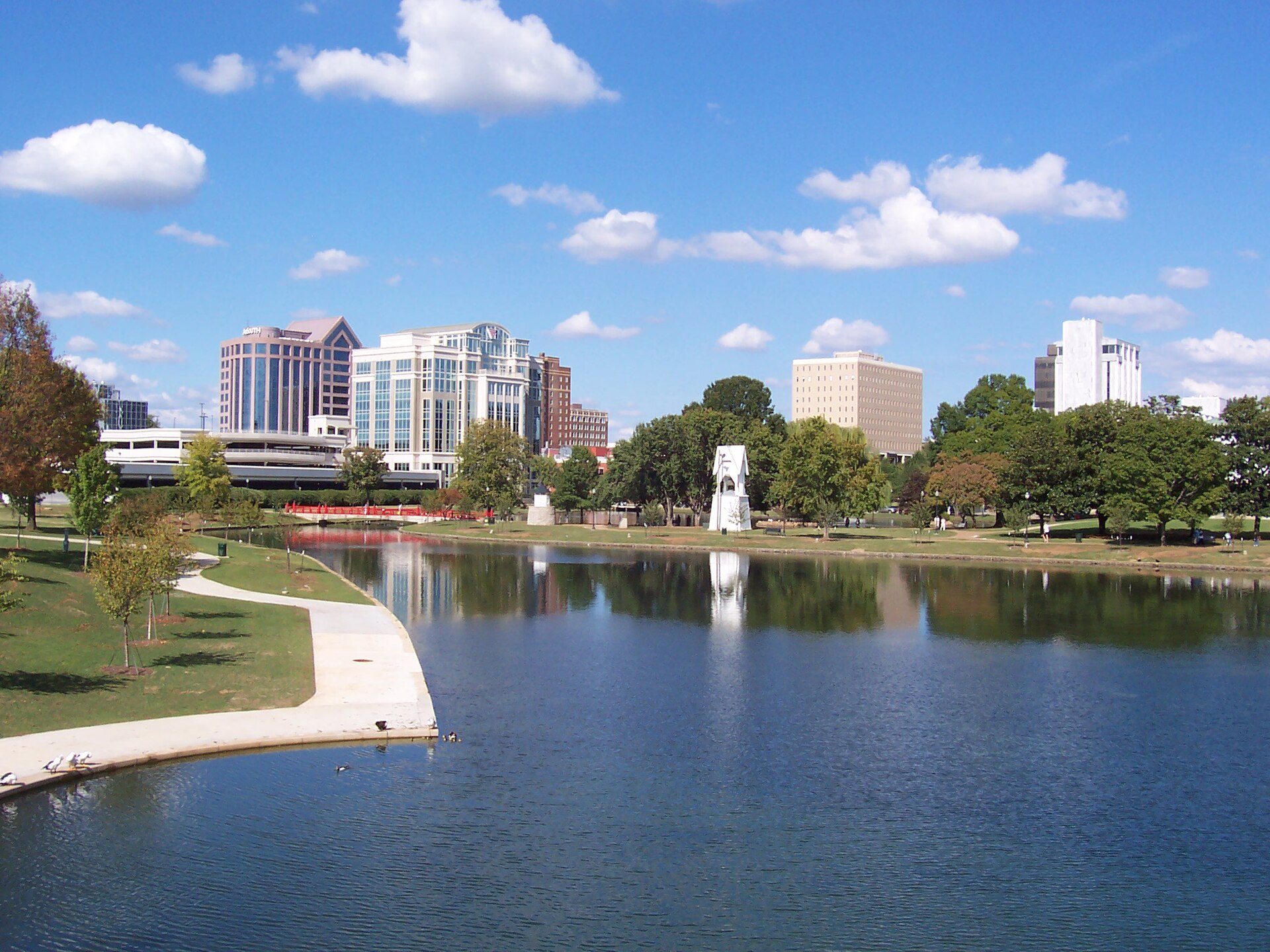
Photo: No machine-readable author provided. Anivron assumed (based on copyright claims)., CC BY-SA 3.0, via Wikimedia Commons.