Best Neighborhoods in Chattanooga, TN for 2026
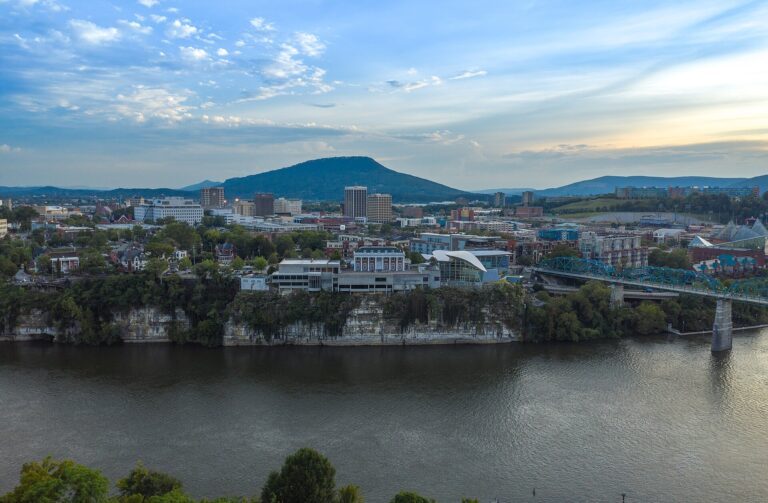
Chattanooga’s neighborhoods sort themselves by geography: North Shore across the Tennessee River from downtown, older streets like Highland Park and Ferger Place east of the core, St. Elmo at the foot of Lookout Mountain, suburbs in East Brainerd and Hixson, and the separate town of Signal Mountain on Walden Ridge. This guide covers seven of them with school notes and the trade-offs of each. Two landmarks shape the in-town picture this year: the Walnut Street Bridge reopens in October 2026 after an 18-month rehabilitation, and the Lookouts’ new Erlanger Park opened in the South Broad District in April.
Before you pick a ZIP code, it helps to understand the city’s layout. Broadly, Chattanooga divides into a few distinct zones: the downtown core and Northshore along the river, the older in-town neighborhoods spreading south and east, the suburban corridors pushing into Hamilton County, and the Signal Mountain and Lookout Mountain areas that sit above everything else. Each zone has a completely different feel, price point, and trade-off profile. Median home value across the city sits at $259,200 per the U.S. Census Bureau’s 2019 to 2023 American Community Survey, but that number masks enormous variation.
The Best Neighborhoods in Chattanooga for 2026
1. North Shore
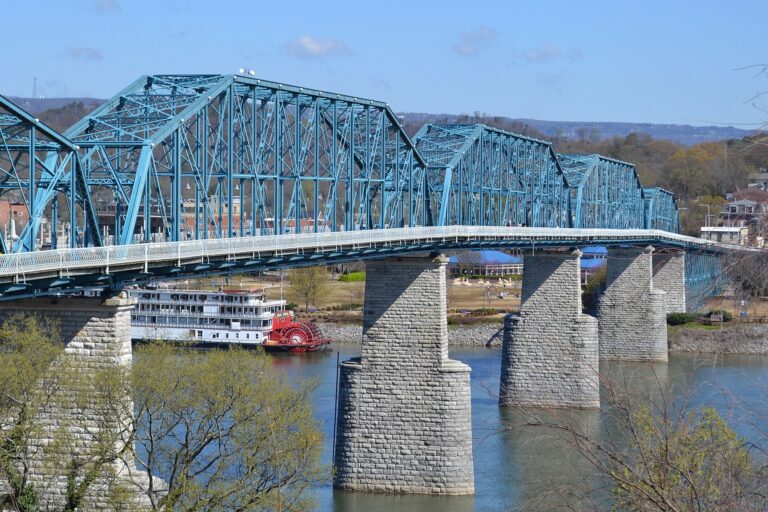
North Shore is the neighborhood that people picture when they imagine “moving to Chattanooga.” It sits directly across the Tennessee River from downtown, connected by the Walnut Street Bridge, a pedestrian bridge that closed in March 2025 for an 18-month, $52 million rehabilitation, with its grand reopening set for October 3, 2026, new cedar decking and a color-changing lighting system. The district has locally owned independent shops and restaurants, plus Coolidge Park and Renaissance Park along the river. It is genuinely walkable by Chattanooga standards, which is saying something in a mid-size Southern city that was largely built around the car.
Best for: Remote workers, young professionals, and couples without kids who prioritize lifestyle access over square footage.
Schools: Zoned to Hamilton County Schools, which also lists magnet schools alongside its zoned schools.
Downsides: Parking can be genuinely frustrating if you work from home and have deliveries, and street noise on the main corridors is constant.
2. Downtown / Southside
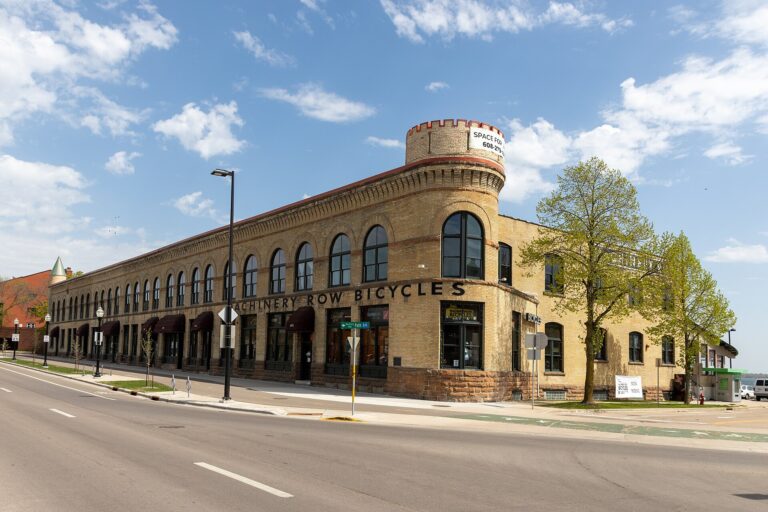
Downtown Chattanooga has done something that not every mid-size city has managed: it actually works as a place to live, not just a place to visit. In April 2026 the Chattanooga Lookouts opened Erlanger Park, an 8,032-seat stadium on the former U.S. Pipe foundry site in the South Broad District. Loft apartments, converted industrial buildings, and new construction mid-rises define the housing stock.
Best for: People who want urban convenience without leaving Tennessee. If you are moving from a larger city and need walkability as a non-negotiable, this and North Shore are your only real options.
3. Highland Park
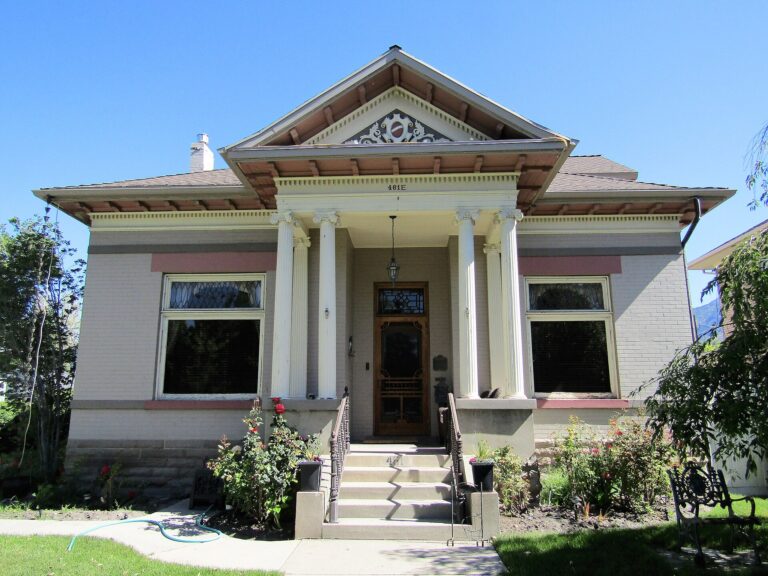
Highland Park is one of Chattanooga’s most interesting transitions. A few years ago it was firmly in “up and coming” territory. Now, it is closer to “arrived.” The neighborhood sits about two miles east of downtown, between McCallie Avenue and Main Street. Most of its roughly 1,000 homes were built between 1900 and 1930, in Queen Anne, bungalow and Craftsman styles.
Best for: First-time buyers, artists, people who want proximity to downtown without paying downtown prices, and buyers who understand that “transitional” still means some rough edges.
Schools: Hamilton County Schools lists magnet schools alongside its zoned schools, so check both for a specific address.
Downsides: Gentrification is visibly uneven, so you will have a fully renovated Craftsman next to a vacant lot. That is the reality.
4. St. Elmo
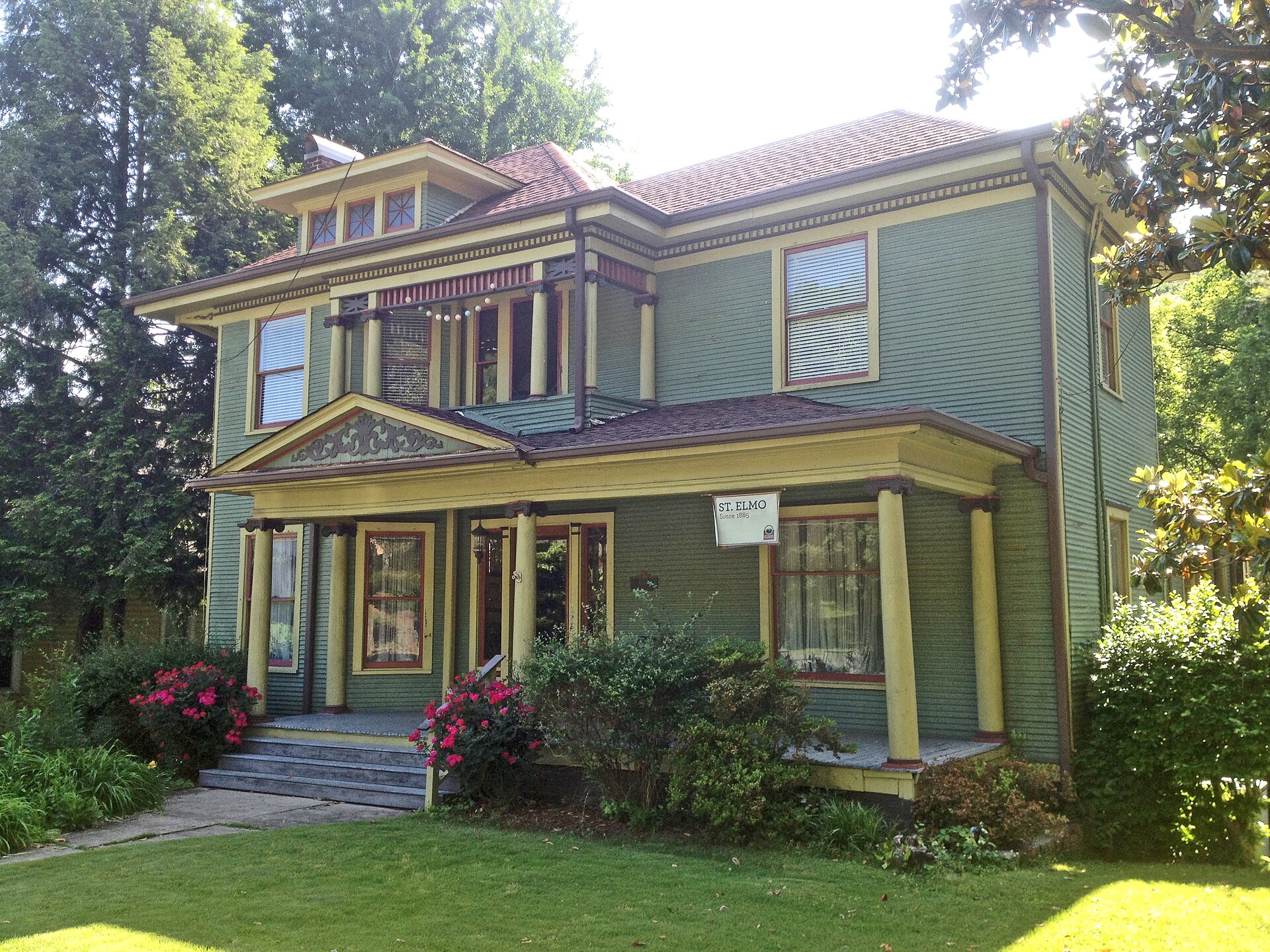
At the base of Lookout Mountain, St. Elmo has its own distinct sense of place. The Incline Railway runs from the neighborhood straight up to the mountaintop, and the main commercial corridor on St. Elmo Avenue has a tight, almost small-town feel. Residents here tend to be fiercely proud of the neighborhood’s identity.
Best for: Outdoor enthusiasts, families with young kids who want access to nature, and buyers who value community cohesion.
Schools: Normal Park Museum Magnet (PK-8) is on Mississippi Avenue, and Hamilton County Schools lists it as a magnet school, so check the district’s enrollment rules before counting on a seat.
Downsides: Getting anywhere other than Lookout Mountain or downtown requires navigating some genuinely awkward road geometry. It is not a neighborhood for people who hate driving.
5. East Brainerd
East Brainerd is Chattanooga’s suburban workhorse. It is not glamorous. It is not the neighborhood you tell friends about to impress them. But it delivers on the basics: single-family homes, and the Hamilton Place mall and the retail around it.
Best for: Families, blue-collar workers, people relocating for jobs at Amazon, Volkswagen, or the city’s other manufacturing and distribution employers.
Schools: Hamilton County Schools runs East Hamilton Middle in Apison and East Hamilton High and Ooltewah High in Ooltewah. Check the district’s zoning for a specific address.
Downsides: Strip-mall sprawl is relentless. There is no real walkable core. If you care about neighborhood character, this will feel anonymous. Traffic on Gunbarrel Road during peak hours is legitimately bad.
6. Hixson
Hixson stretches north along Highway 153, offering suburban-style living with quick access to the Tennessee River and Chickamauga Lake. It attracts a mix of families and retirees, and the housing stock ranges from older ranches to newer subdivisions. It is comfortable without being particularly interesting.
Best for: Boaters, retirees, families who want more space per dollar than they can get closer to downtown.
Schools: Hixson High is the area’s one public high school, and Middle Valley Elementary is on Thrasher Pike in Hixson.
Downsides: Younger buyers often find Hixson lacks energy. There is not much happening at street level.
7. Signal Mountain (Town of)
Technically its own incorporated town, Signal Mountain sits on Walden Ridge, part of the Cumberland Plateau, above Chattanooga, and works as a suburb of the city with its own town government.
Best for: Families with school-age children who can absorb higher housing costs, and professionals who want suburban quiet with mountain views.
Schools: Signal Mountain Middle High, a Hamilton County school for grades 6 to 12, is on Sam Powell Trail in the town.
Downsides: Everyday trips into the city mean driving down the mountain.
The Hidden Gem: Ferger Place
Ferger Place is a small historic district off Main Street in east downtown Chattanooga. Founded in 1910 as a fenced private park and listed on the National Register of Historic Places in 1980, it is a U-shaped loop of about 69 houses on Morningside and Eveningside drives, entered through its original pillars, with homes built from 1910 through the 1930s. Tucked off Main Street, it does not get the foot traffic or social-media attention of North Shore. For a buyer who wants architectural character, a tight-knit community, and downtown proximity without downtown noise, Ferger Place deserves serious consideration.
How to Choose the Right Neighborhood
Start with your actual life, not your aspirational one. A few honest questions cut through most of the noise:
- Do you have kids, or are you planning to? Hamilton County Schools runs the public schools across the county, including Signal Mountain and Hixson, and lists magnet schools alongside zoned schools. If schools are your top variable, let them drive the decision.
- What does your income actually buy here? The city’s median household income is $61,028/year. The Census median home value of $259,200 is about 4.2 times that figure.
- How much does walkability matter? Be honest. Chattanooga is not Atlanta, and Atlanta is not New York. True daily-errand walkability exists in a narrow band: North Shore and parts of downtown. Every other neighborhood requires a car for most tasks.
- What is your tolerance for trade-offs? Every neighborhood here has a real downside. North Shore is expensive. St. Elmo has awkward access. East Brainerd is generic. Signal Mountain isolates you on the mountain. Choose the trade-off you can actually live with, not the one that sounds most tolerable in a sales pitch.
Final Pick by Lifestyle
Rather than picking one winner, here is where different types of buyers actually land:
- Young professional, single or couple, no kids: North Shore. Pay the premium. You will use what you are paying for.
- Family with young children, budget-conscious: East Brainerd or Ooltewah, where East Hamilton High and Ooltewah High both have Ooltewah addresses.
- Family that puts schools first: Signal Mountain, home to Signal Mountain Middle High. Treat the commute as the price of admission.
- First-time buyer, modest budget, want in-town character: Highland Park. Go in with realistic expectations about the transition still underway.
- Outdoor-focused buyer who wants community: St. Elmo. The Incline Railway to Point Park at the top of Lookout Mountain starts in the neighborhood.
- Retiree or remote worker who wants quiet and water access: Hixson. Not exciting, but genuinely comfortable.
- Architecture lover who hates crowds: Ferger Place, if you can catch a listing.
Chattanooga’s homeownership rate of 53.1%, against 65.0% nationally in the same Census survey, means a larger share of households rent here than in the typical U.S. community. The city is a genuine economic mix, and the neighborhoods reflect that. Pick the one that matches where you actually are, not where you hope to be in five years.
Frequently Asked Questions
What is the average rent in Chattanooga, TN in 2026?
Is Chattanooga, TN affordable to live in compared to other cities?
Which Chattanooga neighborhood has the best public schools?
Sources & methodology. Demographic and economic figures in this guide are drawn from the U.S. Census Bureau, 2019 to 2023 American Community Survey 5-Year Estimates. A newer 2020 to 2024 release came out on January 29, 2026; this guide still uses the 2019 to 2023 figures.
Last reviewed September 2026.
How this guide was made. Figures come from the U.S. Census Bureau ACS 2019 to 2023 5-year estimates and the other sources named next to each number. A first draft was written with the help of an AI language model; every place name, price, date and claim was then checked against primary sources by the Small City Guide editors (see About and Methodology). Last verified: September 26, 2026.
What changed: Fact-checked against primary sources in September 2026: 11 statements corrected, 6 off-topic Census sentences removed, opening rewritten.
Photo: Archarin, CC BY-SA 3.0, via Wikimedia Commons.