Moving to Boise, ID in 2026: Relocation Guide
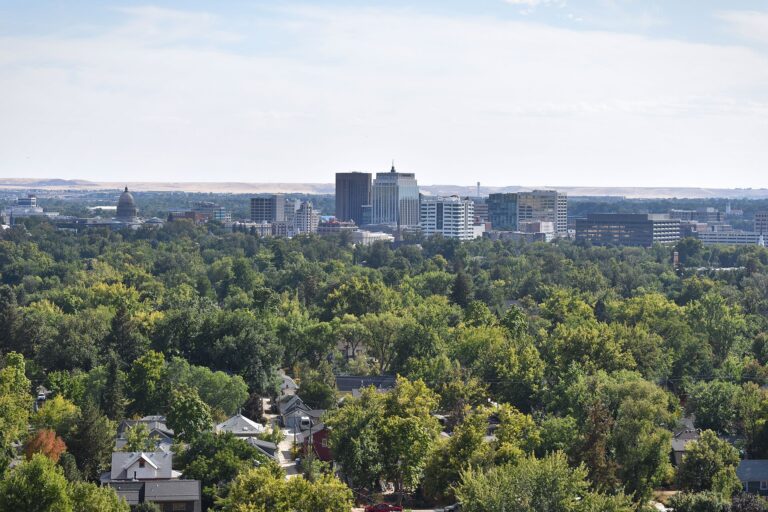
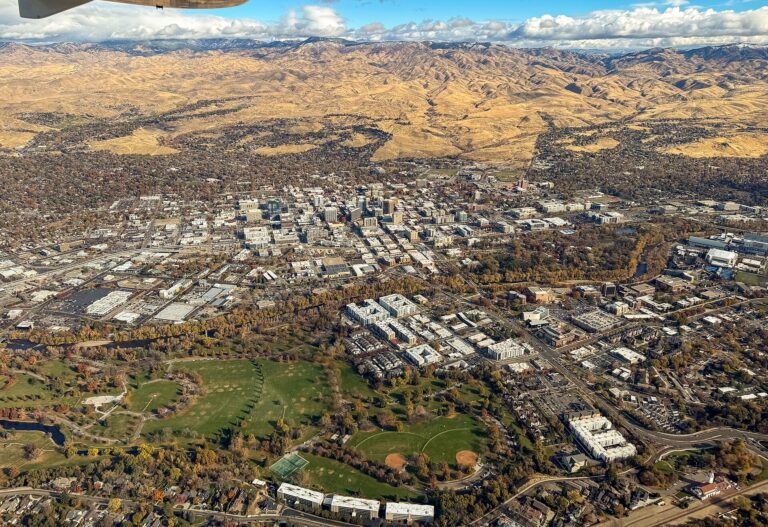
Boise is Idaho’s capital and largest city, about 236,000 people at roughly 2,700 feet in the Treasure Valley, with the foothills on one side and the 29-mile Boise River Greenbelt running through the middle. Housing costs are the first thing to plan around. This guide covers when to move, what the main neighborhoods are like, and the first-month paperwork: the Ada County Sheriff’s driver’s license offices, voter registration, utilities and Boise School District enrollment.
Why People Are Moving to Boise in 2026
The Boise River Greenbelt stretches 29 miles and runs right through the city. The Bogus Basin ski area is 16 miles from the city limits. You do not need a weekend itinerary to be outdoors here.
That shapes the job market, the coffee shop conversations, and the kind of neighbors you are likely to get. It is not a uniformly wealthy city, and the gaps between neighborhoods are visible.
The median home value of $456,000 is the number that sobers people up fast. It was $230,800 in the 2014-2018 ACS 5-year estimates (the 2018 one-year estimate was $278,800). That is a large increase, so do not arrive expecting a bargain market. The median gross rent is $1,359/month, but that Census figure includes older and longer-term leases, so check current listings before you set a budget.
Best Timing: When to Move to Boise
Late April through June is the practical sweet spot. Winters are cold: average daily highs in December and January are about 39°F. By April, average daily highs reach the low 60s, and you have the summer to get oriented before school starts.
August moves are popular but come with heat. Boise averages nine days a year at or above 100°F, mostly in July and August, which makes unloading furniture into a second-floor apartment a physical ordeal. If you are flexible, May is ideal: mild temperatures and enough daylight to actually explore after the boxes are stacked.
Avoid moving in December or January unless you have no choice, and check ITD road conditions before driving I-84 in winter.
Before-Move Checklist
Research Neighborhoods First
Boise varies a lot by neighborhood, so spend real time on listings before you commit. The North End, generally the part of Boise north of State Street, holds many of the city’s older homes. The Bench sits about 60 feet higher than downtown, roughly between Federal Way, Cole Road and Garden City, with Orchard Street as a major north-south road. Southeast Boise runs from Boise State University to Micron Technology between Federal Way and the Boise River. Each of these plays out differently for daily life.
Lease or Buy?
With a median home value of $456,000, 20% down and a 30-year fixed rate of 7.03% (the Freddie Mac national average for the week of September 24, 2026), principal and interest come to about $2,430 a month before taxes and insurance. For a household earning the median $81,308, that is about 36% of gross monthly income. Renting for six to twelve months first is genuinely wise. It lets you learn which neighborhoods you actually enjoy before locking into a mortgage.
School Enrollment
To enroll in the Boise School District you need proof of age (a birth certificate or other official document), parent or guardian identification, proof of residency (utility bill, lease or mortgage statement) and immunization records unless exempt. Open Enrollment applications to attend a school outside your attendance area are due by February 1 for the following school year (Idaho Code 33-1402); later applications are considered based on capacity at the receiving district. If you are moving with school-age children, have your address confirmed and your paperwork ready before May. Boise-area public charter schools such as Sage International School of Boise and North Star Charter School in Eagle fill initial admission by lottery or another random method (Idaho Code 33-5206), so check each school’s application deadline early.
During the Move: Parking the Truck
One Boise-specific note: if your truck needs metered curb space downtown, City of Boise Parking Services can reserve meters for approved projects. Applications are due at least 48 hours ahead, or at least one week ahead for specific spaces, and the fee is $16.50 per space per day.
First Week After Arrival: The Administrative Sprint
Idaho DMV
The Idaho Transportation Department says new residents must get an Idaho driver’s license or ID card within 30 days of moving to the state (college students and active-duty military with a valid out-of-state license are exempt). Driver’s licenses in Ada County are issued by the Ada County Sheriff’s Office, not a state DMV office. The Boise office is at 400 N. Benjamin Lane (there are also offices at 736 S. Progress Avenue in Meridian and 10769 W. State Street in Star), open 7 a.m. to 5 p.m. (the Meridian office is closed on Wednesdays); walk-ins are served depending on availability. Book an appointment online through the Ada County Sheriff’s scheduler at dmvscheduling.adacounty.id.gov. ITD says you will need proof of U.S. citizenship or lawful presence, identity, Idaho residency and name. The fee is $35 for a four-year license or $60 for an eight-year license (Idaho Code 49-306). Vehicle title and registration are handled separately, at the Ada County Assessor’s DMV offices (for example 190 E. Front St. in Boise). ITD requires new residents to title and register within 30 days; bring the vehicle for a VIN inspection, plus your title, current registration and proof of Idaho insurance. Idaho registration fees are based on vehicle age (Idaho Code 49-402).
Voter Registration
Idaho allows same-day voter registration: you can register when you vote in person at early voting or on Election Day. Online registration at voteidaho.gov closes 11 days before an election. Idaho’s Republican primary is open only to registered Republicans, while registered Democrats and unaffiliated voters can vote in the Democratic primary.
Utilities Setup
Idaho Power, based in Boise, supplies electricity in southern Idaho, and Intermountain Gas distributes natural gas in southern Idaho. Call or set up accounts online before your move-in date so service is active on arrival. Internet options vary by address, so check which providers serve your exact address before you sign a lease.
Healthcare Provider
St. Luke’s Health System and Saint Alphonsus Regional Medical Center are among Boise’s three largest employers, according to the City of Boise’s 2023 Annual Comprehensive Report. If you have insurance through an employer, check which network your plan prefers before booking a primary care appointment, and call before your current prescriptions run out. Terry Reilly Health Services offers a sliding-fee discount program; patients at or under 200% of federal poverty guidelines are typically eligible, whether or not they have insurance.
Neighborhoods to Prioritize
North End
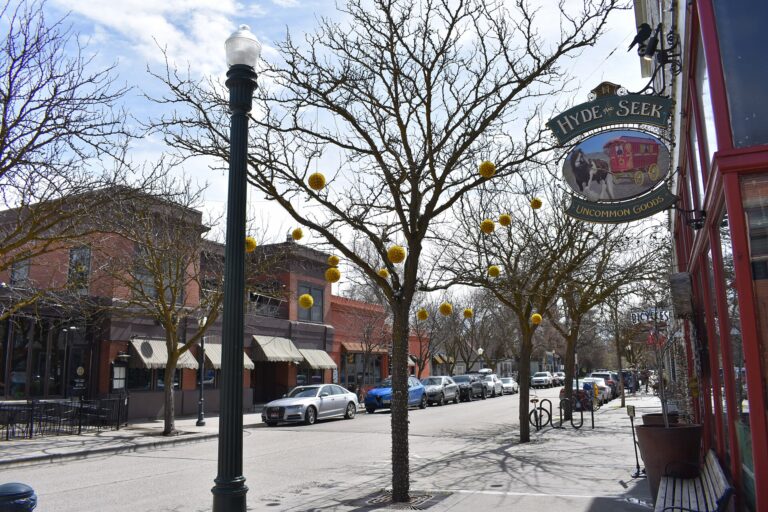
Many of the city’s older homes, tree-lined drives such as Harrison Boulevard, Hyde Park’s restaurants and shops on 13th Street, and foothills trail access from Camel’s Back Park, part of the Ridge to Rivers trail system. The American Planning Association named the North End one of 10 Great Neighborhoods in 2008. Worth a look if you work downtown or from home.
East End / Warm Springs Avenue
Centered on tree-lined Warm Springs Avenue east of downtown, with some of Boise’s largest and most expensive homes, many built around the turn of the 20th century. Natural hot springs warm many of the area’s homes, and the Natatorium pool is here.
Southwest Boise
More suburban, with neighborhoods built from the 1960s to the early 1980s, many on acre-sized plots, plus newer subdivisions. The area lies near Interstate 84 and the Boise Airport.
Downtown Core
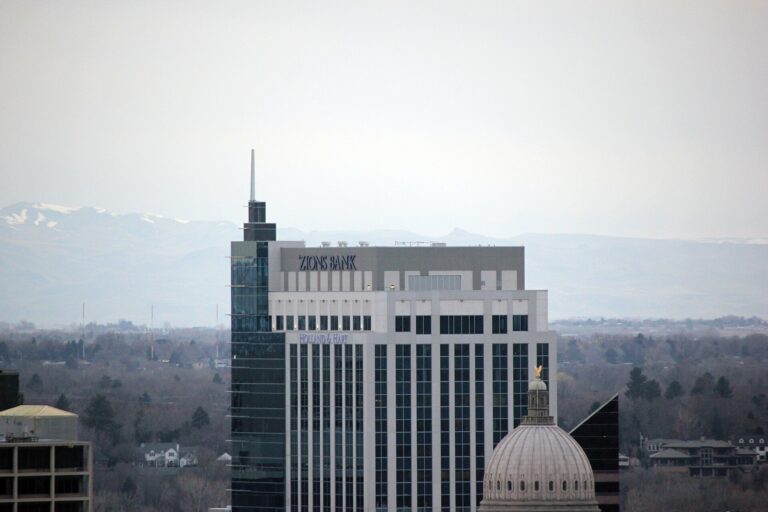
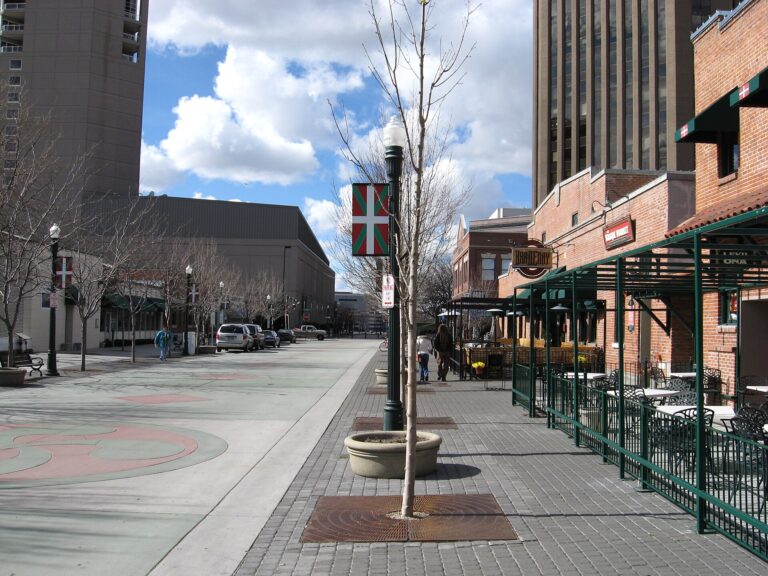
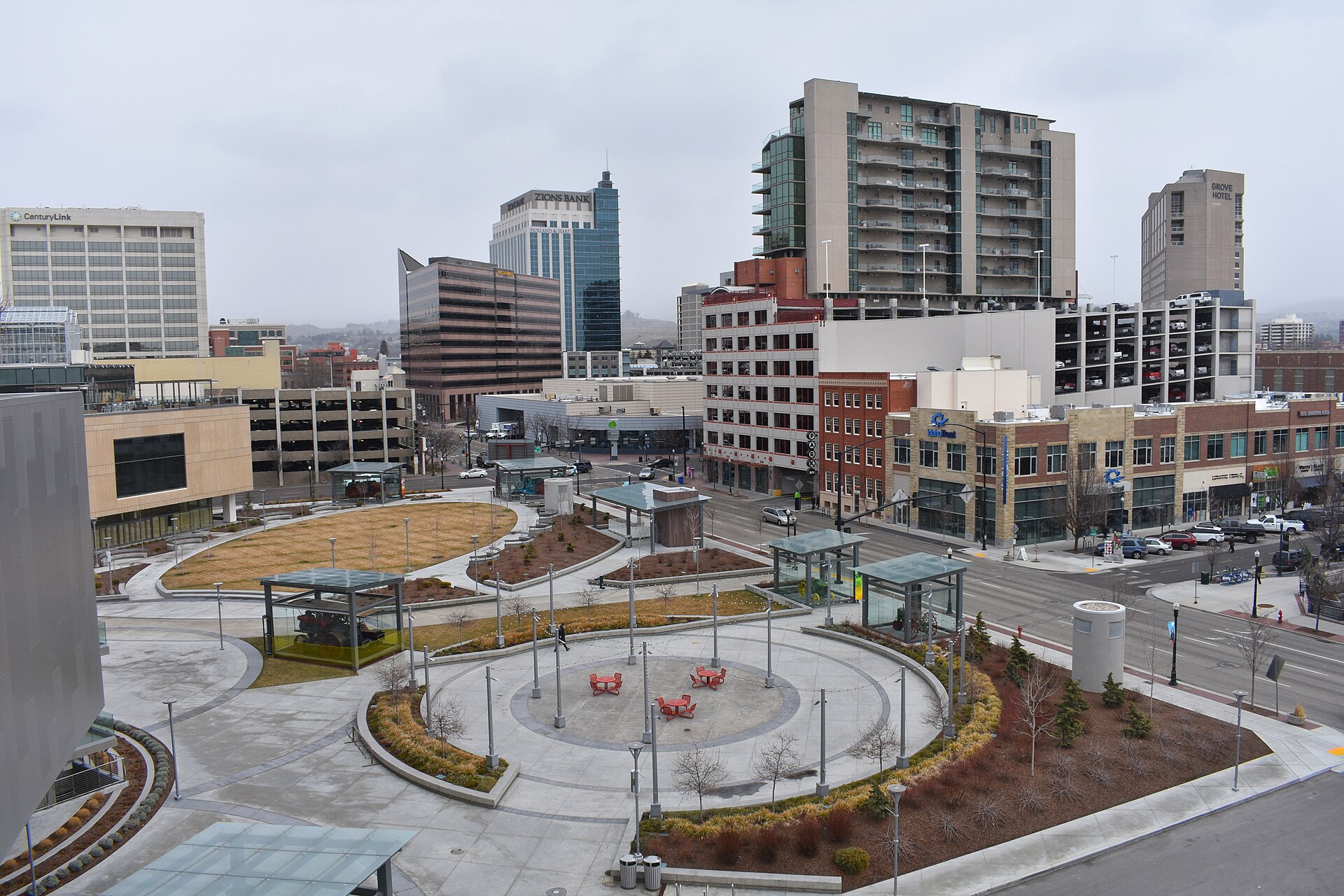
Downtown holds the Idaho State Capitol, the Egyptian Theatre on Capitol Boulevard and Main Street Station, the underground Valley Regional Transit hub near North 8th Street. Living here puts you close to Treefort Music Fest, held downtown each spring, and the Saturday Capital City Public Market on The Grove Plaza. A good fit for people without cars who want the most urban version of Boise available.
Common Pitfalls Newcomers Make
Underestimating the heat. Everyone talks about Idaho winters, but the July and August heat (Boise averages nine days a year at or above 100°F) is more disorienting for Pacific Northwest transplants. Make sure your apartment has functioning central air before you sign a lease, not just a window unit.
Overestimating transit. Valley Regional Transit runs the bus system, with Main Street Station downtown as its hub. Check route maps and schedules against your commute before you plan to live without a car.
Moving without a confirmed lease. Trying to secure housing after arriving, without a local address, puts you at a disadvantage. Secure the lease before the truck is loaded, even if it means a virtual tour.
Essential Local Apps and Services
- Idaho Power app: Manage your electricity account, track usage, and report outages directly from your phone.
- Umo app: Valley Regional Transit’s official app for buying passes (standard adult fare $1.50 a ride, $2.50 all-day pass), with bus maps and schedules. Riders 18 and under rode free from May 1 to August 31, 2026 under a summer pilot with the City of Boise.
- Boise Parks and Recreation (cityofboise.org): The Natatorium Pool and Hydrotube at 1811 E. Warm Springs Avenue is a seasonal city pool with a water slide and splashdown pool.
- Idaho 211: A statewide resource and referral line for social services, food assistance, and healthcare navigation. Useful if you arrive and need to get oriented quickly on local support systems.
- Nextdoor: The Boise Police Department partnered with Nextdoor in January 2014, the first city in the Northwest to do so. Useful for finding a plumber, a lost cat, or intel on which streets flood in spring.
- Ridge to Rivers (ridgetorivers.org): The partnership that manages the Boise Foothills trail system. Its site has an interactive map and trail listings you can filter by difficulty and trail condition.
Integration Tips for Your First 30 Days
Show up to the Boise Farmers Market at 1500 Shoreline Drive (Saturdays 9 a.m. to 1 p.m., April through October) or the Capital City Public Market on The Grove Plaza, 827 W. Main St. (Saturdays 10 a.m. to 2 p.m.) at least once in your first month. It is not just produce. It is genuinely a community gathering point where you will see the full cross-section of Boise residents.
Get a library card from the Boise Public Library immediately. Beyond books, the card gives free access to Kanopy streaming, Libby and Hoopla e-books and audiobooks, and databases such as Consumer Reports, Mango Languages and The New York Times. Cards are free for Boise residents and people who own property within Boise city limits.
Join one thing deliberately. Options include volunteering with the Ridge to Rivers trail system or joining a climbing gym such as Asana Rock Climbing & Bouldering Gym in Garden City. The social fabric here is genuinely community-oriented, but it does not come to you. Pick one organization or activity and show up consistently for four weeks. That is how people actually build a friend group here.
Do not write off the Bench. It sits on a rise above downtown, with Orchard Street as one of its main north-south roads. Spend an afternoon there before you rule it out.
Finally, calibrate your expectations on the pace of growth. Boise grew from 205,671 residents in the 2010 census to 235,684 in 2020. Moving here with clear eyes is better than arriving with inflated expectations and adjusting the hard way.
Frequently Asked Questions
What is the average cost of renting an apartment in Boise, ID in 2026?
How long does it take to transfer a driver’s license to Idaho after moving to Boise?
Is Boise, Idaho a good place to buy a home in 2026?
What are the best neighborhoods in Boise for families moving in 2026?
Sources & methodology. Demographic and economic figures in this guide are drawn from the U.S. Census Bureau, 2019 to 2023 American Community Survey 5-Year Estimates. A newer 2020 to 2024 release came out on January 29, 2026; this guide still uses the 2019 to 2023 figures. Other figures come from the sources named next to them.
Last reviewed September 2026.
How this guide was made. Figures come from the U.S. Census Bureau ACS 2019 to 2023 5-year estimates and the other sources named next to each number. A first draft was written with the help of an AI language model; every place name, price, date and claim was then checked against primary sources by the Small City Guide editors (see About and Methodology). Last verified: September 26, 2026.
What changed: Fact-checked against primary sources in September 2026: 28 statements corrected, 5 off-topic Census sentences removed, opening rewritten, photo replaced with a credited image of the city. On September 27, 2026 every named place and figure was re-checked; details that could not be confirmed from a primary source were removed.
Photo: Tamanoeconomico, CC BY-SA 4.0, via Wikimedia Commons.