Things to Do in Boise, Idaho in 2026
Boise sits where the Snake River Plain meets the foothills, and most of what is worth doing here follows from that geography: the Ridge to Rivers trails start at the edge of the North End, the Boise River Greenbelt runs about 29 miles through the city, and a summer tube float from Barber Park to Ann Morrison Park takes a little over two hours. Downtown adds the Basque Block on Grove Street, Treefort Music Fest each spring, and free Alive After 5 concerts on Wednesdays in June and July. This guide covers the parks, restaurants, breweries, festivals and day trips that hold up in 2026, with addresses and dates checked against the venues themselves.
That mix of economic stability and education shapes the culture directly: you get a city that invests in trails, supports local restaurants, and shows up to live music. This guide covers what’s actually worth doing in 2026, from the obvious crowd-pleasers to the spots that locals quietly guard.
Boise’s Culture: What Makes It Tick
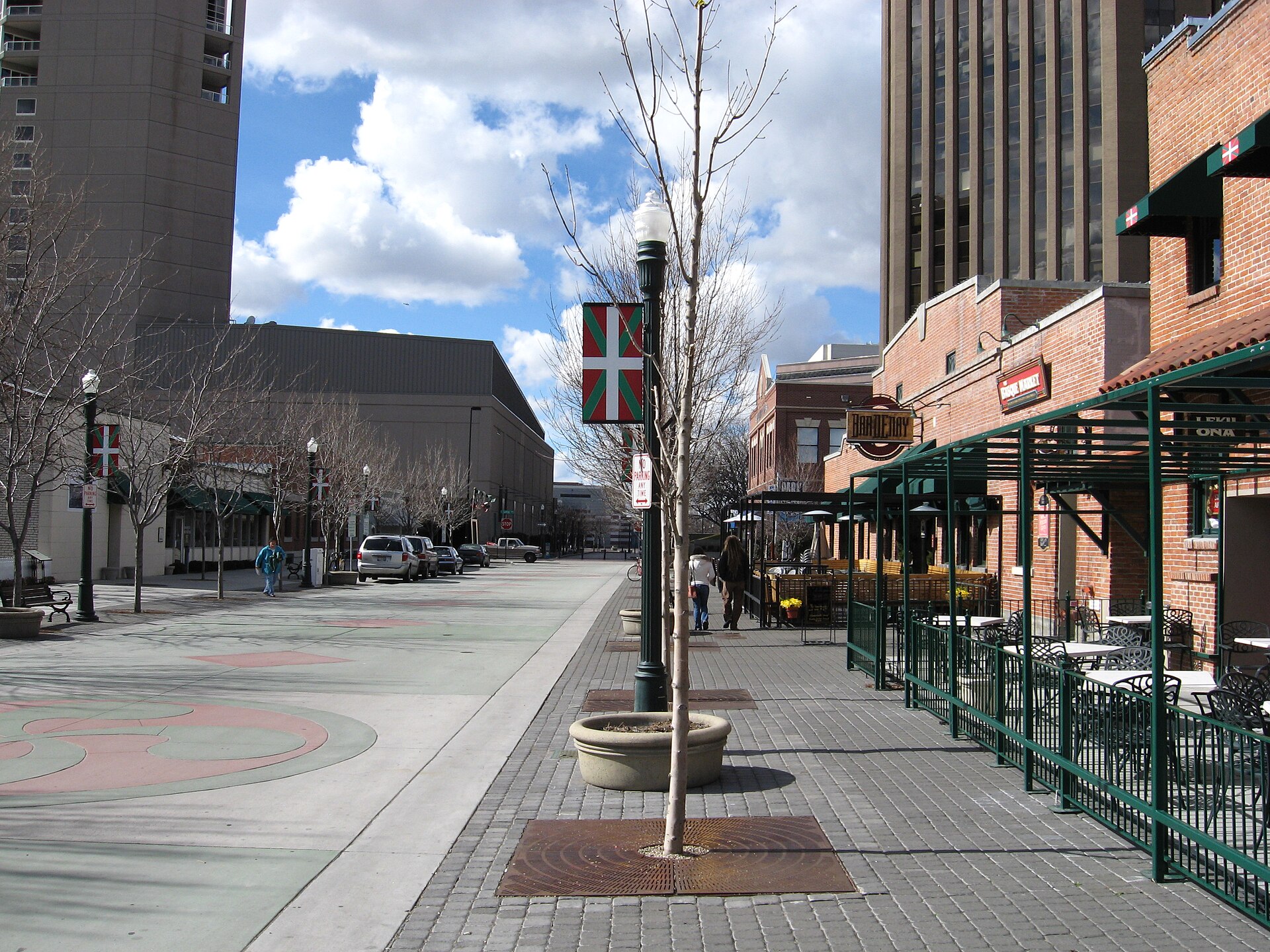
The Basque Block on Grove Street is one of the most specific and genuinely unusual things about Boise. Idaho’s Basque community is one of the largest in the United States, with the first Basques arriving around the time of statehood in 1890, and the Block preserves that heritage with restaurants, the Basque Center, the Basque Museum & Cultural Center, a fronton (a handball court, yes, a real one), and annual festivals.
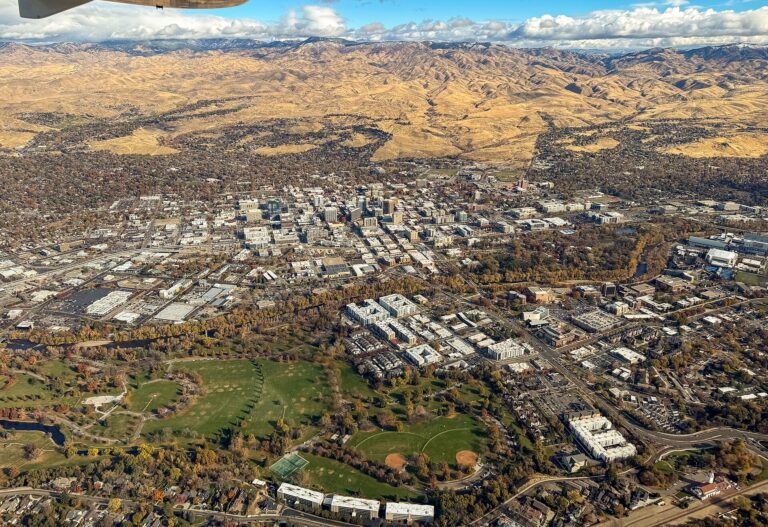
Beyond the Block, Boise’s identity is shaped by its relationship with the outdoors. The Boise Foothills begin almost literally at the edge of downtown. That proximity is not a marketing line; it’s the reason people stay. The Boise River Greenbelt, a roughly 29-mile paved path running along the river through the heart of the city, is the connective tissue of daily life here. Cyclists commute on it. Parents run it with strollers. Retirees walk it every morning.
The arts scene punches above its weight too. The Treefort Music Fest has given Boise a nationally recognized platform, and the Visual Arts Collective in Garden City (technically its own city, adjacent to Boise, and aggressively artsy) hosts exhibitions and events that feel more Brooklyn than Mountain West.
Top Outdoor Activities and Parks
The Boise Foothills trail system is the first thing to understand. It covers approximately 220 miles of trails, managed by the Ridge to Rivers partnership, with the City of Boise as lead agency alongside Ada County, the BLM, the Boise National Forest and Idaho Fish and Game. Hulls Gulch Reserve is a go-to entry point: moderate terrain, great city views, and reachable by Bus Route 16 at N. 9th Street, according to Ridge to Rivers. For something more demanding, Table Rock delivers a steep climb from the Old Idaho Penitentiary trailhead to a mesa with sandstone cliffs and a lit cross at the top and a panoramic view that justifies every uphill step.
The Boise River is a genuine recreational amenity, not just a scenic backdrop. Every summer, locals rent tubes and rafts from Boise River Raft & Tube at Barber Park (a single tube runs about $19 plus tax and deposit, and the return shuttle is $5 per person) or bring their own and float the stretch from Barber Park down to Ann Morrison Park. The outfitter puts the float at about 2 hours and 15 minutes. Timing matters: it is a summer activity, and rentals run through Labor Day.
Lucky Peak State Park, about eight miles southeast of Boise, sits on Lucky Peak Lake, with a sandy beach for wading and swimming at Sandy Point and boat ramps and a marina at Spring Shores. Bogus Basin Mountain Recreation Area, just 16 miles north of downtown, operates as a ski and snowboard area in winter and opens its trails to mountain bikers and hikers in summer. The night skiing there is underrated, and the proximity to city means you can be on a chairlift by 7 p.m. on a weeknight.
For something more relaxed, Julia Davis Park sits in the heart of the city and anchors the museum district. It connects to the Zoo Boise, the Boise Art Museum, the Idaho State Museum, and the Rose Garden, all within a short walk of each other. It is the city’s living room, and on a warm Saturday it functions exactly like one.
Best Restaurants in Boise Right Now
The dining scene here is specific and earned. A few names stand out in 2026 not because they’re trendy but because they’re consistently excellent.
Bittercreek Alehouse, at 246 N. 8th Street, has been a downtown anchor since 1996. It leans on local food and a tap list built around small independent breweries.
Bar Gernika on the Basque Block is the most essential cultural meal in the city. The pub, at 202 S. Capitol Blvd. in the old Cub Tavern building, has served Basque and American fare since the early 1990s. It is closed Sundays and Mondays.
Fork, at 199 N. 8th Street downtown, has become a reliable lunch, dinner and weekend brunch spot (brunch Saturday and Sunday, 9:30 a.m. to 2 p.m.). It sources many key ingredients from Boise and Northwest farmers, ranchers and producers.
Goldy’s Breakfast Bistro downtown is where you go when you want a no-nonsense, generous, genuinely good breakfast without a theme or a concept. It has been open downtown since February 1999.
Nightlife and the Brewery Scene
Payette Brewing, at 733 S. Pioneer Street, is the flagship name, with a large taproom, outdoor space, and a year-round lineup that includes its Recoil IPA. Woodland Empire Ale Craft is Bittercreek Alehouse’s sister brewery, and Bittercreek keeps three to five Woodland beers on tap.
Barbarian Brewing’s downtown beer bar at 1022 W. Main Street is known for barrel-aged and sour beers.
Live music is strong. Neurolux, at 111 N. 11th Street, is the cornerstone indie venue, booking touring acts and local bands. Knitting Factory in the downtown core handles mid-size touring acts. The Visual Arts Collective in Garden City, a 21+ gallery and performance venue, hosts music, dance, theater and variety shows.
Family-Friendly Boise
The city infrastructure for families is real. Julia Davis Park has already been mentioned, but it bears emphasis: Zoo Boise is small by major-metro standards, but that’s partly what makes it work for young kids. It’s walkable, not overwhelming, and $12 to $15 per adult as of 2026. The Idaho State Museum describes itself as an interactive experience for all ages.
The Aquarium of Boise, at 64 N. Cole Road, is a nonprofit aquarium open daily. The Discovery Center of Idaho, also in the Julia Davis Park area, is a hands-on science museum. For outdoor family time beyond the Greenbelt, Camel’s Back Park in the North End has a playground, and the Camel’s Back hill beside it has a steep trail and staircase up to a viewpoint over the city.
Day Trips From Boise
Sun Valley / Ketchum: The drive east on I-84 and US-20, then up Highway 75 through the Wood River Valley, is the best road trip Boise offers. Ketchum is a small, wealthy mountain town with great restaurants, a strong arts scene, and trail access that rivals anything in the Mountain West. Summer hiking and winter skiing at Sun Valley Resort are both world-class.
Craters of the Moon National Monument (east, via US-20): One of the genuinely strange places in the American West. The lava fields are surreal and the light in late afternoon is cinematic. It’s not a comfortable outdoorsy trip, but it’s a memorable one.
Twin Falls (east on I-84): The Snake River Canyon and Shoshone Falls (45 feet taller than Niagara) are worth a half-day.
McCall (north on Highway 55): A small resort town on Payette Lake that operates as Boise’s mountain escape. The lake is cold and gorgeous. Winter Carnival in late January and early February is one of Idaho’s best regional festivals, with snow sculptures, live music and a vendor court overlooking Payette Lake.
Annual Events and Festivals Worth Planning Around
Treefort Music Fest (March): Five days, a main stage in Julia Davis Park plus more than 20 downtown venues, and 554 bands in 2026 (the 2027 edition runs March 31 to April 4). Artists came from 31 countries and 47 states in 2026.
San Inazio Basque Festival (late July or early August): Jaialdi, the international Basque festival held every five years (last in 2025, next in 2030), is the big one. But the annual San Inazio festival on the Basque Block has Basque dancing, handball and pala games, food booths and a street dance.
Treefort’s sibling fests: Hackfort (technology), Filmfort, Foodfort and others are smaller festivals held during the main music event.
Alive After 5 (June and July): Free outdoor concerts on Wednesday evenings, 5 to 8 p.m., in the Grove Plaza downtown; 2026 was the series’ 39th season. Market vendors from the Capital City Public Market joined the concerts in 2026.
Spirit of Boise Balloon Classic (August/September): Hot air balloons launch from Ann Morrison Park in the morning, weather permitting, usually starting around 7:40 a.m.
Hidden Gems Locals Actually Love
The Warm Springs neighborhood and its geothermal heating system is a genuine curiosity that most visitors never hear about. In 1892 a house on Warm Springs Avenue became the first residence in the United States heated by geothermal water, and the Boise Warm Springs Water District still provides geothermal heat to homes and businesses in the East End.
Flying M Coffeehouse, at 5th and Idaho (500 W. Idaho Street), has been a downtown fixture since 1992 and roasts its own coffee.
Freak Alley, a service alley and parking lot downtown, is an outdoor gallery of murals by more than 200 artists, with murals painted over and replaced every two years.
The Bench neighborhood, southwest of downtown and about 60 feet higher, is underexplored by newcomers. Like the North End it has older residential areas, including Central Rim, Morris Hill and Depot Bench, and it is home to the Boise Union Pacific Depot.
Weekend Itinerary: 48 Hours in Boise
Saturday morning: Start at Flying M for coffee, then walk or bike north through the North End to Camel’s Back Park and the Hulls Gulch trails. If the season is right, drive to Barber Park instead and float the river down to Ann Morrison Park; the $5 shuttle gets you back to your car. It takes most of the morning and requires zero planning beyond sunscreen.
Saturday afternoon: Dry off, eat at Fork or Bar Gernika, then spend the afternoon in Julia Davis Park: the art museum if you’re in the mood, the zoo if you have kids, or just the rose garden if you want to do nothing in particular.
Saturday evening: Dinner at Bittercreek Alehouse, then live music at Neurolux. Check their calendar before you go.
Sunday morning: Goldy’s for breakfast, then drive to the Old Idaho Penitentiary trailhead and hike Table Rock Trail #15 to the top. If you’re in town on a Saturday, stop at the Capital City Public Market on The Grove Plaza (827 W. Main St., 10 a.m. to 2 p.m., April 11 through December 19 in 2026; there is no Sunday market). The separate Boise Farmers Market runs Saturdays, 9 a.m. to 1 p.m., April through October, at 1500 Shoreline Drive.
Sunday afternoon: Day trip to Twin Falls for Shoshone Falls, or stay in town and explore the Bench, then head to Barbarian Brewing’s downtown beer bar at 1022 W. Main Street for a late afternoon sour before you pack it up.
Boise is not a city that overwhelms you with options and then leaves you feeling like you missed something. The best things here are specific, approachable, and honest about what they are. That matches the city itself.
Frequently Asked Questions
What is there to do in Boise, ID for free?
Is Boise, Idaho worth visiting in 2026?
What is the best area to stay in Boise for tourists?
How expensive is Boise compared to other Western cities?
What is Boise known for culturally?
Sources & methodology. Demographic and economic figures in this guide are drawn from the U.S. Census Bureau, 2019 to 2023 American Community Survey 5-Year Estimates. A newer 2020 to 2024 release came out on January 29, 2026; this guide still uses the 2019 to 2023 figures. Other figures come from the sources named next to them.
Last reviewed September 2026.
How this guide was made. Figures come from the U.S. Census Bureau ACS 2019 to 2023 5-year estimates and the other sources named next to each number. A first draft was written with the help of an AI language model; every place name, price, date and claim was then checked against primary sources by the Small City Guide editors (see About and Methodology). Last verified: September 26, 2026.
What changed: Fact-checked against primary sources in September 2026: 30 statements corrected, 9 off-topic Census sentences removed, opening rewritten, photo replaced with a credited image of the city. On September 27, 2026 every named place and figure was re-checked; details that could not be confirmed from a primary source were removed.
Photo: Dmharris26, Public domain, via Wikimedia Commons.