Things to Do in Tucson, AZ: 2026 Guide
Tucson sits between two districts of Saguaro National Park, with the 27-mile Catalina Highway climbing toward the 9,171-foot summit of Mount Lemmon. In 2015 UNESCO named it the first U.S. City of Gastronomy for its Sonoran Mexican food. This guide covers the hikes, restaurants, bars, museums and yearly events that fill a first visit, with current prices and addresses.
The University of Arizona pumps tens of thousands of students through central Tucson every year. A significant international border community adds cultural texture that most American cities of this size simply do not have. The result is a food scene that punches absurdly above its weight, an outdoor recreation portfolio that rivals anything in the Mountain West, and a local personality that is simultaneously laid-back and fiercely proud.
This guide is for the person who wants to actually experience Tucson, not just photograph a cactus and leave.
The Culture That Makes Tucson Different
Before you plan a single activity, understand this about Tucson: it is a UNESCO Creative City of Gastronomy. That designation, awarded in 2015, was not a mistake. Archaeologists have found a village site near the Santa Cruz River in Tucson dating to about 2100 BC, and the food traditions that trace back to the Tohono O’odham people are still very much alive in the kitchens here. You will taste it.
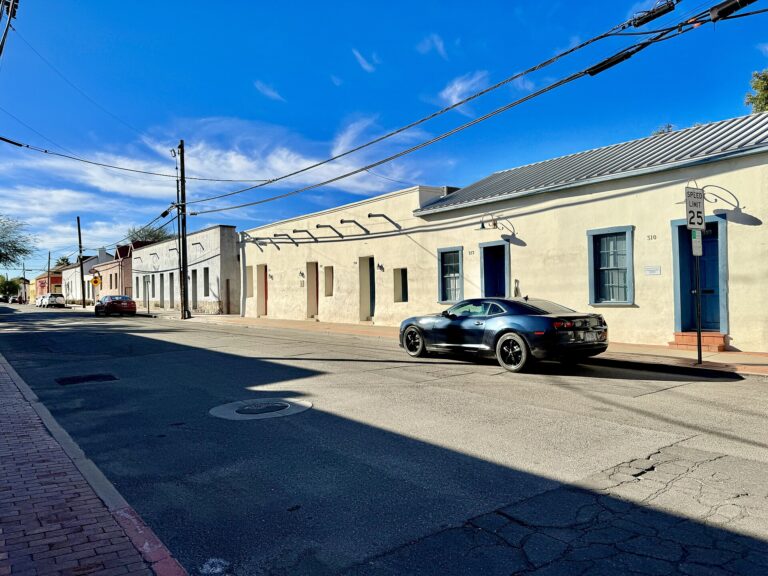
Tucson has genuine economic inequality. But that same economic pressure has historically produced some of the most authentic neighborhood culture in the American Southwest. Barrio Viejo and the 4th Avenue district are not manufactured. They grew organically, and they show it.
That affordability is the direct reason the creative scene here still has teeth.
Top Outdoor Activities and Parks
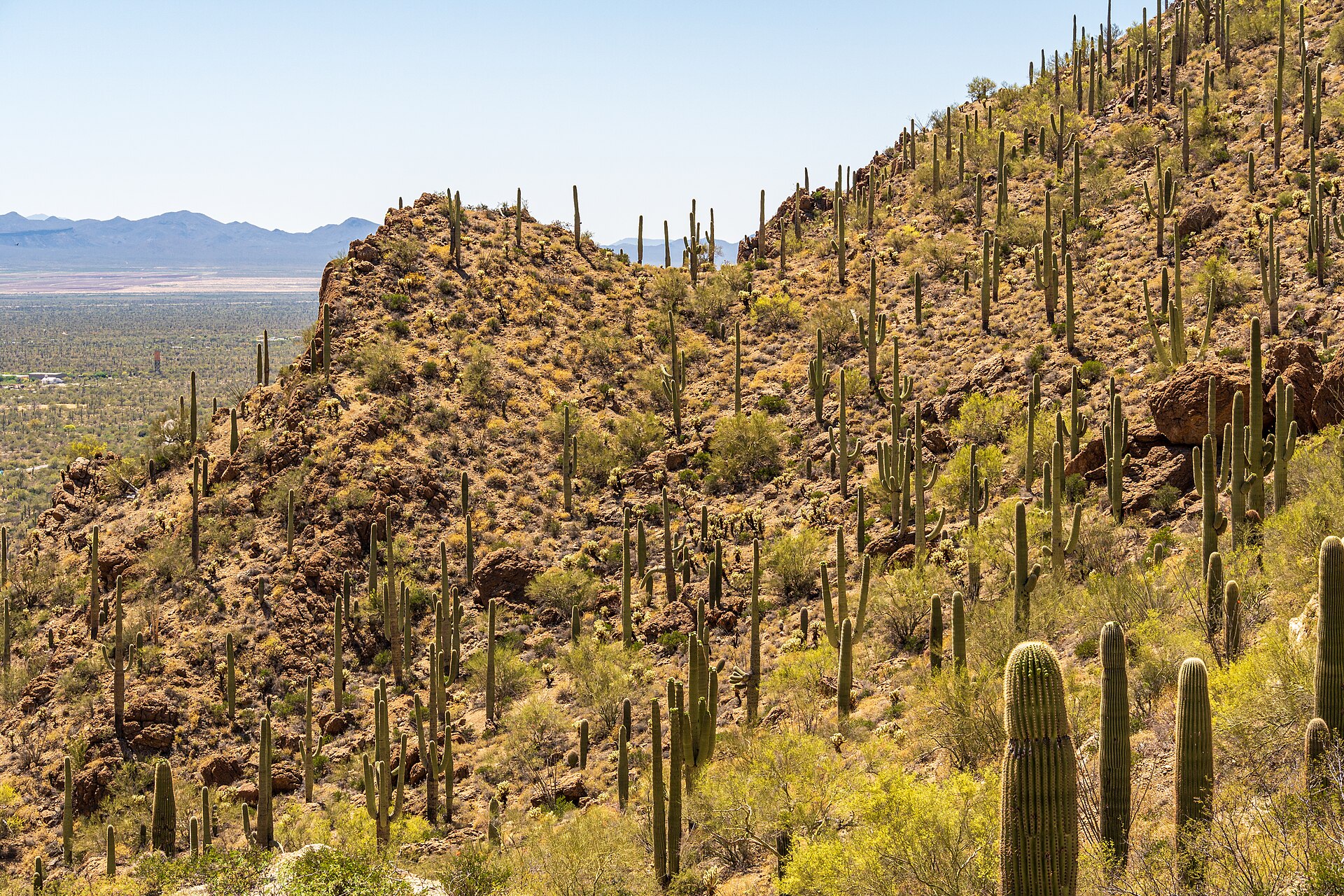
Saguaro National Park is the obvious starting point, and it is worth every bit of the hype. The park splits into two districts on either side of the city. The Rincon Mountain District to the east is bigger, with limited wilderness camping. The Tucson Mountain District to the west has no overnight camping. Do not make the mistake of visiting only one.
For something more demanding, Mount Lemmon in the Santa Catalina range tops out at 9,171 feet above sea level. The 27-mile Sky Island Scenic Byway climbs from the desert floor in Tucson to the village of Summerhaven near the summit, which can be 20 to 30 degrees Fahrenheit cooler than the base.
Sabino Canyon Recreation Area is where Tucsonans actually go on weekend mornings. The Sabino Canyon Crawler shuttle ride is pleasant, but the serious draw is the hike to Seven Falls, a series of cascading waterfalls whose water levels vary with the seasons and recent rain. Get there before 8 a.m. in summer or you will bake.
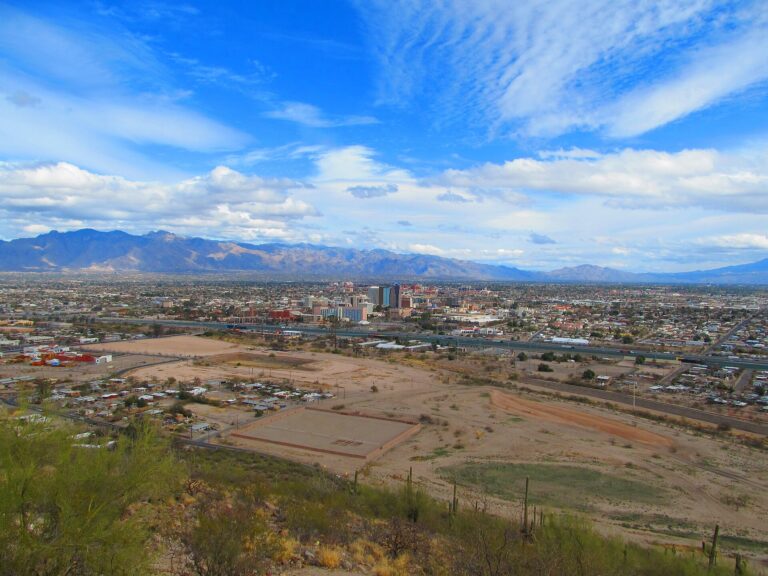
Tumamoc Hill deserves its own paragraph. It is a 1.5-mile paved path up a hill in the middle of the city, managed by the University of Arizona. Bicycles are not allowed on the hill, and walkers are welcome every day from 4 a.m. to 10 p.m. The research site at the top has documented plant life since 1906, making it one of the longest-running ecological study sites in the world. Locals walk it daily. The views of downtown and the mountains are some of the best in Tucson. It costs nothing.
If you want something slower, the Tohono Chul botanical garden in Casas Adobes is a genuinely beautiful 49-acre desert garden with rotating art exhibitions and a restaurant on-site. It is especially lovely in spring when the wildflowers bloom.
Best Restaurants in Tucson
The food here is not Tex-Mex. That distinction matters enormously. Tucson’s cuisine is rooted in Sonoran tradition: flour tortillas made with lard and love, carne seca, red chile sauces built over hours. Here are the places worth your time.
El Charro Cafe on North Court Avenue has been owned by the Flores family since 1922, which makes it the oldest Mexican restaurant in the United States run by the same family. Order the carne seca, which is beef dried in the Sonoran sun and then shredded. It sounds like a gimmick. It is not a gimmick.
Prep and Pastry on North Campbell Avenue (with a second location on East Grant Road) runs a breakfast and brunch program that generates genuine lines on weekends. The pastry work is serious, the egg dishes are inventive, and the space is small enough that the energy stays high. Arrive early or prepare to wait outside, which is fine nine months of the year and uncomfortable in July.
Seis Kitchen at Mercado San Agustin is one of the best arguments for Tucson’s culinary scene on a national stage. Seis Kitchen has served regional Mexican cooking since 2012.
Eegee’s is not fancy. It is a local fast-food chain beloved by generations of Tucsonans, serving a frozen lemon drink and submarine sandwiches. You will see them everywhere. If someone local offers to take you, say yes. Some civic rituals are non-negotiable.
Feast on East Speedway is where you go when you want something adventurous and well-executed. The menu changes monthly and leans into global influences without being pretentious about it. It is the kind of restaurant that makes you want to live somewhere so you can come back regularly.
Nightlife and the Brewery Scene
The 4th Avenue corridor is where Tucson’s nightlife concentrates, and it has a personality distinct from a typical college bar strip. Yes, there are dive bars full of UA students. But there are also longstanding venues like Club Congress inside the historic Hotel Congress, a downtown hotel that opened in 1918 whose music venue has booked touring bands since 1985 and books everything from Americana to electronic acts. The hotel bar itself is worth a drink on any night.
Tucson’s craft beer scene has matured significantly. Borderlands Brewing Company is one of the anchors, with a downtown taproom on East Toole Avenue and two more on East 6th Street and East River Road.
Pueblo Vida Brewing Company is smaller, with a taproom on East Broadway Boulevard downtown.
For cocktails, Nightjar, the bar at Coronet in Barrio Viejo, runs a craft cocktail program in a dark, well-designed space. It is the kind of bar that makes you linger longer than you planned. Tucson does not have a lot of places like it, which makes it worth finding.
Family-Friendly Options
Tucson is genuinely good for families, partly because so much of what makes it interesting is free or very cheap.
The Arizona-Sonora Desert Museum is the single best thing to do with kids in Tucson, and it is also legitimately excellent for adults. It is part zoo, part botanical garden, part natural history museum, all outdoors and set directly in the Sonoran Desert. The raptor free-flight demonstrations run twice daily from mid-October through mid-April, weather permitting. Mountain lions, javelinas, river otters, and prairie dogs all live here in naturalistic habitats. The museum says it typically takes at least two hours to see everything.
Children’s Museum Tucson on South 6th Avenue downtown provides good rainy-day (or blazing-summer-day) coverage with hands-on exhibits. The Flandrau Science Center and Planetarium on the UA campus has science exhibits, planetarium shows and laser light music nights.
Day Trips From Tucson
Tucson’s geography makes it one of the better day-trip bases in the Southwest, with a genuinely remarkable range of options.
Bisbee, AZ is a former copper mining town, founded in 1880, that has become one of the most architecturally interesting small cities in the state. The Queen Mine Tour takes you underground into the historic Copper Queen Mine.
Kartchner Caverns State Park (9 miles south of Benson) is a limestone show cave whose formations are still growing. Tours visit the Throne Room year-round and the Big Room outside the April 15 to October 15 bat season.
Tombstone, AZ leans hard into its Wild West history. But the OK Corral gunfight reenactments are fun if you are in the right mood, and the Boot Hill cemetery is oddly moving. Go with appropriate expectations and you will have a fine afternoon.
Nogales, Mexico sits directly on the border across from Nogales, Arizona, where visitors can cross on foot at the Morley and Dennis DeConcini pedestrian ports of entry.
Annual Events and Festivals
Tucson’s event calendar rewards planning. Several annual gatherings are significant enough to schedule a trip around.
The Tucson Gem, Mineral and Fossil shows run every year from late January through February and is the largest gem and mineral show in the world. It takes over the entire city for two weeks, with venues scattered across hotels, parking lots, and convention spaces citywide. Serious collectors and casual tourists show up in equal measure. It is genuinely surreal and worth experiencing at least once.
Tucson Festival of Books (March) is held on the University of Arizona campus and draws hundreds of authors for readings, panels, and signings over two days. By 2010 it had become the fourth largest book festival in the United States. Admission is free.
All Souls Procession in early November is the event that most defines Tucson’s character. It is a community-organized procession honoring the dead, drawing tens of thousands of participants in elaborate costumes and face paint. It is not a corporate event. It is not a tourist attraction designed to look authentic. It is the real thing, and it is unlike anything else in American civic life.
4th Avenue Street Fair runs twice a year, in spring and winter, with more than 350 artists, food vendors, and live entertainment. Admission is free.
Hidden Gems Locals Actually Love
Ask a Tucsonan where to go and they will probably not mention what is already in every travel roundup. Here is what they are more likely to say.
Gates Pass in the Tucson Mountains is a scenic road over the crest of the range, lined with overlooks where locals and tourists come to watch the sunset.
Reid Park Rose Garden inside Reid Park, near the zoo, was created in 1960 and exhibits more than 100 rose varieties and about 800 plants.
The Mercado San Agustin on the west side is a thoughtfully developed outdoor market space with a mix of local food businesses, a bakery and a coffee roaster. It has become a genuine neighborhood anchor. Weekend mornings here feel like the Tucson that the city is growing toward.
For a specific snack: the Sonoran hot dog, sold from carts and from brick-and-mortar spots like El Guero Canelo (a James Beard Award winner), is a bacon-wrapped frankfurter loaded with pinto beans, tomatoes, mayo, mustard, and jalapeño sauce inside a bolillo-style bun. It sounds like too much. It is exactly enough.
A Weekend Itinerary for First-Timers
Friday evening: Drive Gates Pass at sunset. Then head to Mercado San Agustin for a drink and dinner. End the night at Club Congress for live music.
Saturday morning: Early hike at Sabino Canyon before the heat builds. Back in the city by 10 a.m. for breakfast at Prep and Pastry (expect a wait; bring patience). Spend the afternoon at the Arizona-Sonora Desert Museum. Plan for at least two hours.
Saturday evening: Dinner at Seis Kitchen or El Charro Cafe. Afterward, drinks at Borderlands Brewing or The Coronet depending on your mood.
Sunday: Drive to Bisbee for the morning. Do the Queen Mine Tour. Lunch in Bisbee, then the drive back to Tucson. Stop at Tumamoc Hill for the late-afternoon climb if your legs still have anything left. Watch the city light up below you as the sun drops behind the Tucson Mountains.
Two days is not enough for Tucson. It rarely is for places that have actual depth. But it is enough to understand why people who come here for a weekend sometimes end up staying for years.
Frequently Asked Questions
Is Tucson AZ a good place to visit in summer 2026?
How much does it cost to visit Tucson for a weekend?
What is Tucson Arizona best known for?
Is Tucson safe for tourists in 2026?
What are the best free things to do in Tucson?
Sources & methodology. Demographic and economic figures in this guide are drawn from the U.S. Census Bureau, 2019 to 2023 American Community Survey 5-Year Estimates. A newer 2020 to 2024 release came out on January 29, 2026; this guide still uses the 2019 to 2023 figures. Cost estimates combine these official figures with current local listings and are rounded for readability.
Last reviewed September 2026.
How this guide was made. Figures come from the U.S. Census Bureau ACS 2019 to 2023 5-year estimates and the other sources named next to each number. A first draft was written with the help of an AI language model; every place name, price, date and claim was then checked against primary sources by the Small City Guide editors (see About and Methodology). Last verified: September 26, 2026.
What changed: Fact-checked against primary sources in September 2026: 13 statements corrected, 6 off-topic Census sentences removed, opening rewritten, photo replaced with a credited image of the city.
Photo: dconvertini, CC BY-SA 2.0, via Wikimedia Commons.