Things to Do in Asheville, NC in 2026: What’s Open Now
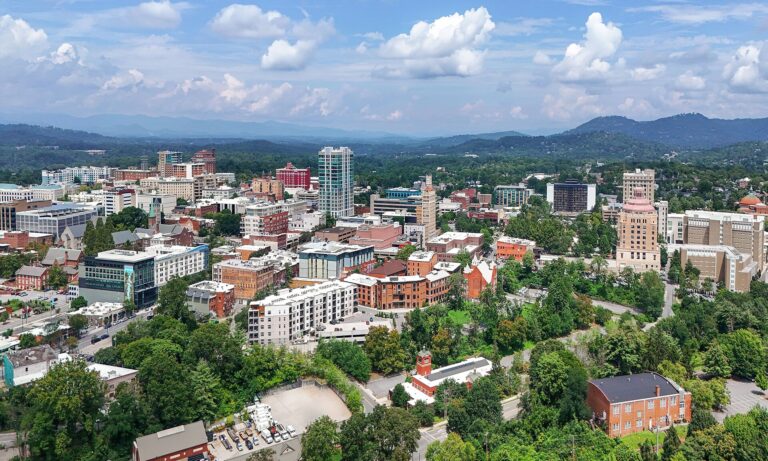
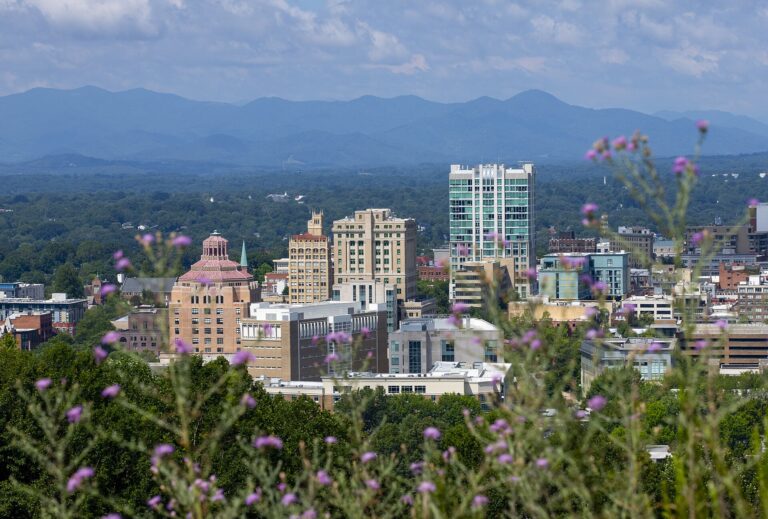
Asheville is one of those cities that people describe with a kind of reverence, and then you show up and realize the hype is mostly justified. This is a city of 94,369 people in the Blue Ridge Mountains of western North Carolina, where the Swannanoa River meets the French Broad, and it punches well above its weight in art, food, outdoor adventure, and sheer weirdness. It is a city of people who moved here on purpose, often from somewhere bigger and more expensive, and who stayed because they found something real.
That intentionality shows up everywhere. All of that tension gives Asheville its particular energy. Here is how to actually spend your time here in 2026.
The Culture That Makes Asheville Worth the Trip
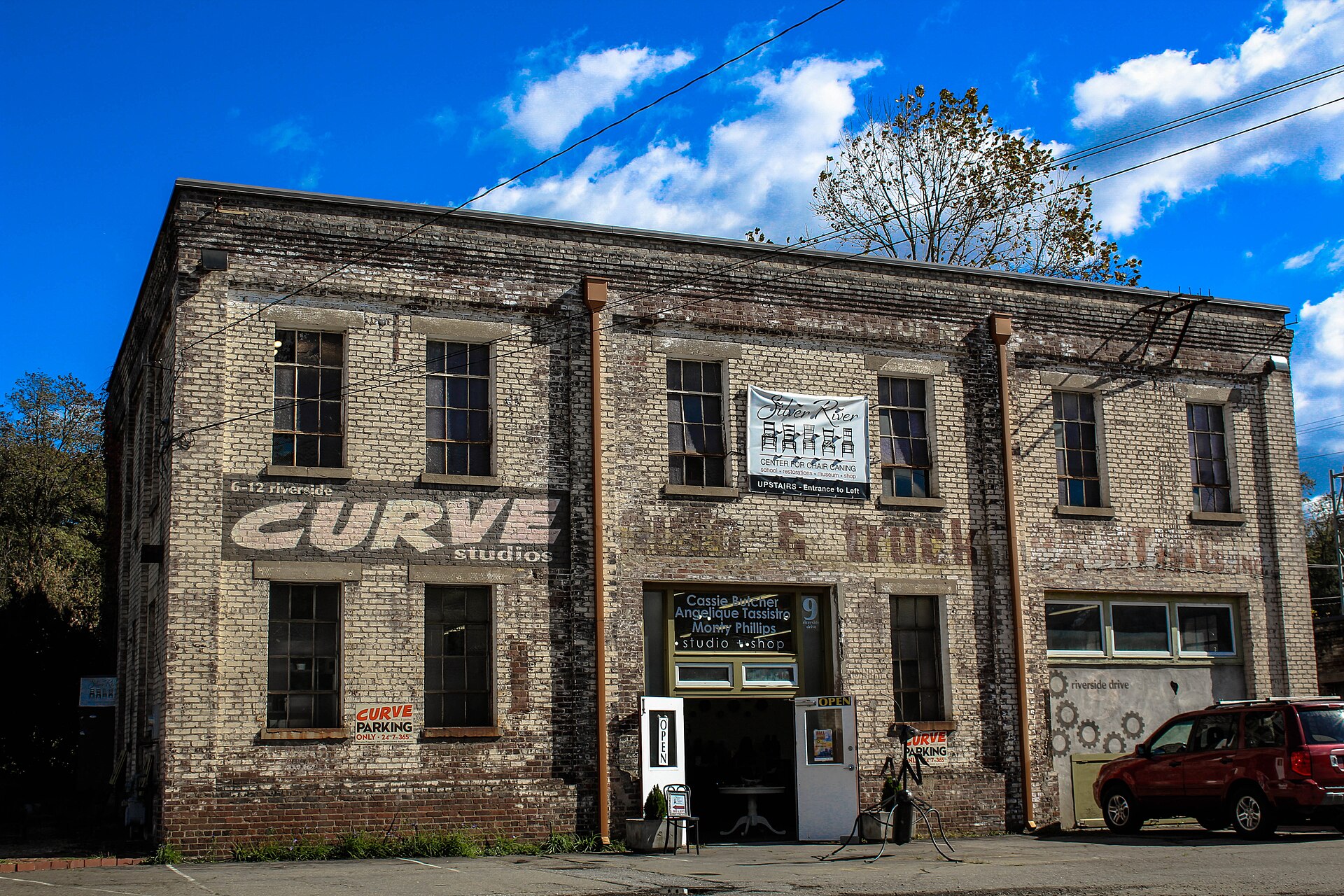
Start with the River Arts District, known locally as the RAD. This is not a curated tourist simulation of artist culture. Working studios line the French Broad River in converted industrial buildings, and on any given Saturday you can watch a glassblower at work, buy a ceramic mug directly from the person who threw it, or catch a live music set inside a gallery. The RAD was hit hard by Hurricane Helene in September 2024, when floodwaters damaged or destroyed roughly 80 percent of its studios and buildings. Most galleries, studios and taprooms had reopened by fall 2025, and rebuilding is still visible along Riverside Drive and Lyman Street in 2026, and the proximity to the river itself is underused by visitors who rush through.
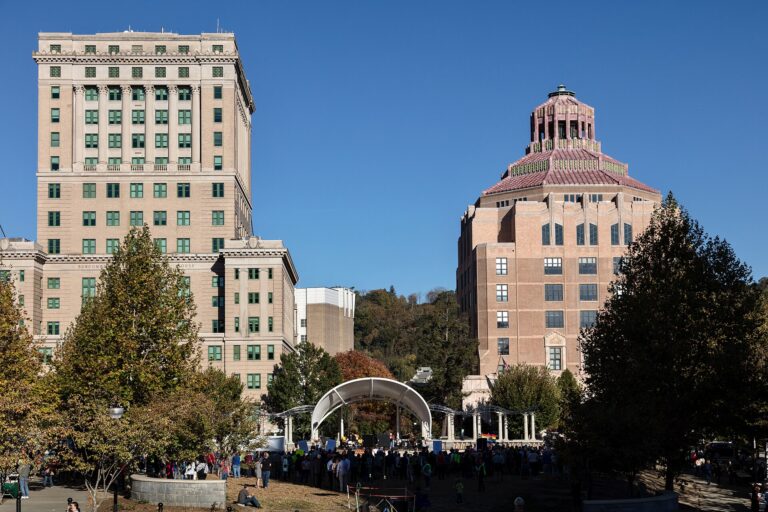
Downtown on Lexington Avenue is where you start to see Asheville’s contradictions in a good way. Independent bookstores, tattoo shops, vintage clothing, and hole-in-the-wall restaurants coexist with enough foot traffic to keep them viable. Pack Square Park anchors the core and serves as the city’s living room, hosting events such as the free Downtown After 5 concerts. The Asheville Art Museum on Pack Square is worth two hours if you have any interest at all in 20th-century American art. The permanent collection is strong.
Top Outdoor Activities and Where to Do Them
The Blue Ridge Parkway runs right through Asheville’s backyard, and that is not a figure of speech. You can access it from multiple points within the city limits. The Craggy Gardens area at Milepost 364 rewards moderate hikers with rhododendron tunnels and 360-degree ridge views. Its stretch of the Parkway and the visitor center are open again after Helene repairs, but the Craggy Gardens Picnic Area was still closed as of September 2026 and the Parkway remains closed north of Mount Mitchell (Mileposts 344.2 to 355.3). Bring layers, because the high elevation can be much cooler than town.
Bent Creek Experimental Forest sits just south of town and is chronically underappreciated even by locals. It has mountain bike and hiking trails within the Pisgah National Forest boundary, and it stays less crowded than the more famous trailheads simply because it does not appear on the first page of most “best of Asheville” lists. Lake Powhatan inside Bent Creek is a legitimate swimming hole with a small beach that feels miles away from the city even though it is only minutes away.
For something more structured, the French Broad River is gentle, mostly flat water through the city itself, which is why tubing and paddleboarding dominate; the Class III-IV whitewater is downstream in Madison County on Section 9 between Barnard and Hot Springs. Zen Tubing runs lazy tubing floats from its South Asheville base on Brevard Road (its River Arts District launch has been closed since Hurricane Helene), and NOC’s French Broad rafting trips leave from Marshall, about 30 minutes north of town depending on the section. Paddling through the city with the downtown skyline visible is a genuinely unusual experience, and the river corridor took the brunt of Hurricane Helene’s flooding in September 2024, and the greenways and riverside businesses have been rebuilding ever since.
Hot Springs, downstream on the French Broad River, was flooded by Hurricane Helene on September 27, 2024; in 2026 Hot Springs Resort & Spa is again taking bookings for its mineral-water tubs. It is one of the most overlooked easy-day destinations from Asheville. Natural mineral water is piped into outdoor tubs at the resort, and the Appalachian Trail runs directly through the tiny town. It is not glamorous, but it is legitimately restorative in a way that more developed spa towns rarely are.
Best Restaurants in Asheville in 2026
Asheville’s food scene earned its national reputation and has largely managed to keep it. Here are five places worth planning around.
- Chai Pani (32 Banks Avenue): Indian street food done with serious precision. The chaat is the best reason to go, specifically the bhel puri. It gets busy, and it is worth the wait.
- Cúrate (13 Biltmore Avenue): Spanish tapas with an ingredient sourcing obsession. Chef Katie Button has built one of the most consistently excellent restaurants in the Southeast here. The jamón ibérico and the pan con tomate are non-negotiable orders.
- Beyond Cúrate, the Asheville food scene rewards wandering. Biscuit Head (733 Haywood Road in West Asheville) serves biscuits with a choice of gravies, from espresso red-eye to sweet potato coconut, and opens at 8 a.m. daily.
- Gan Shan (285 Haywood Road, West Asheville): Pan-Asian comfort food, from pork tonkotsu ramen and house fried rice to sticky Korean wings and dan dan Brussels sprouts.
- White Duck Taco Shop (downtown at 12 Biltmore Avenue next to Pack Square, plus a South Asheville location in Arden; the River Arts District shop is listed as temporarily closed): Cheap, fast, and genuinely good. This is where you eat when you have spent all afternoon hiking and want tacos before it gets dark. The Korean beef bulgogi taco and the Bangkok Shrimp are the moves.
Nightlife and the Brewery Scene
Asheville’s craft beer scene has been around long enough to develop layers. The early wave of production breweries like Sierra Nevada’s Mills River brewery, next to Asheville Regional Airport south of the city, and New Belgium’s East Coast brewery on Craven Street give the city national credibility. The more interesting story now is the neighborhood taprooms.
Hi-Wire Brewing’s South Slope taproom is one anchor of what has become a brewery district. Burial Beer Co., also on the South Slope at 40 Collier Avenue, has a dark aesthetic, exceptional sours and farmhouse ales, and indoor and outdoor seating. Wicked Weed Brewing is the most polished operation, and its brewpub at 91 Biltmore Avenue is still the best place to drink their beer. If you only have time for one, go to Burial. If you have time for three, add Hi-Wire and Wicked Weed and call it a proper South Slope crawl.
Beyond beer, the Orange Peel on Biltmore Avenue is one of the best mid-size music venues in the country, full stop. A capacity of about 1,050 keeps it intimate enough that even nationally touring acts feel close. Check the calendar before you arrive because a good show there is one of the better evenings you will have anywhere in the region. The Grey Eagle on Clingman Avenue at the edge of the River Arts District is the smaller, more intimate alternative, with a strong roots and Americana booking philosophy that fits the city perfectly.
Family-Friendly Options
The North Carolina Arboretum on the edge of Pisgah National Forest has 65 acres of cultivated gardens plus trail access into the national forest, a parking fee of $25 per vehicle (2026 rate), and zero stress. Kids run freely, adults look at plants, everyone leaves happy.
The Asheville Museum of Science (AMOS) on Patton Avenue downtown is small but thoughtfully curated around regional natural history and geology. It is genuinely more interesting than its size suggests. Western North Carolina Nature Center on Gashes Creek Road is the city’s zoo equivalent, focused mainly on animals of the Southern Appalachians. Red wolves, otters, black bears and cougars are among its animals, along with a few non-native species such as red pandas. It is not a large facility but the close viewing distances and regional specificity make it memorable for kids and adults alike.
Day Trip Ideas
The geographic position of Asheville makes it one of the better day trip hubs in the East. Good day trips include:
- Great Smoky Mountains National Park (west of Asheville): The most visited national park in the country and still worth the crowds for the Alum Cave Trail to Mount LeConte or a visit to Kuwohi (formerly Clingmans Dome).
- Chimney Rock State Park (25 miles southeast; the main attraction reopened on June 27, 2025 after Hurricane Helene and now requires timed-entry reservations, while the Eagle Rock access is still closed): The 315-foot rock spire with a 404-foot waterfall (Hickory Nut Falls) in the same park. It is compact, well-run, and genuinely dramatic in a way that photos underrepresent.
- Johnson City, Tennessee (north via I-26): A very different kind of Appalachian city, less polished, with its own emerging food and music scene. Good for a contrast day.
- Brevard, NC (Transylvania County): A small town with excellent access to the Pisgah National Forest and the Dupont State Recreational Forest, which has multiple large waterfalls accessible on foot within a few miles. The town itself has a good independent music scene and a white squirrel population that is genuinely a local phenomenon.
Annual Events and Festivals in 2026
Asheville’s event calendar is dense and worth planning around. The Asheville Fringe Arts Festival in March is the counterintuitive recommendation, because late-winter visits mean thinner crowds and access to genuinely experimental performance art that fills venues all over downtown. Bele Chere used to be the city’s signature summer street festival but ended in 2013. What replaced it is a more distributed calendar that reflects the city better: the LEAF Festival, held at Lake Eden for about 30 years, has given way to something new: LEAF Global Arts has announced it is becoming part of Camp Grier, and a new Lake Eden Reunion festival, with music curated by The Grey Eagle, is scheduled at Lake Eden for October 16 to 18, 2026.
The Asheville Film Festival is held toward the end of August at the historic Masonic Temple on Broadway downtown, and its 2026 lineup listed more than 60 selected films, including documentaries and short films, with a curatorial sensibility that matches the city’s arts orientation. The free Downtown After 5 concert series in Pack Square Park (its August 2026 show was on August 21) provides a reliable anchor for warm-weather weekends. And the Thomas Wolfe Society’s annual conference, held in Asheville on May 29 to 30, 2026 across from the Thomas Wolfe Memorial, tied to the author’s literary legacy in the city, is niche but substantive if you have any interest in American literature of the early 20th century.
Hidden Gems Locals Actually Go To
The Urban Trail is a self-guided walking tour through downtown marked by 30 sculptural stations, each tied to a moment in the city’s history. Most visitors never notice it. Locals use it as a slow afternoon walk that doubles as a city history lesson. Print the map from the city’s website, and budget about two hours.
West Asheville’s Haywood Road strip is where the city’s day-to-day character lives. The bars here are cheaper, the crowds are younger, and the ratio of locals to tourists is inverted from downtown. Early Girl Eatery on Wall Street is well-known but the West Asheville location on Haywood stays more relaxed. Phantom Lamp Theatre Company stages original, often site-specific plays; check its site for current shows and venues.
Wedge Brewing has two River Arts District taprooms. Its Foundy Street taproom was submerged by Helene and has since reopened alongside the original Wedge Studios location on Paynes Way, where a 10-barrel brewery and tasting room open onto expansive outdoor seating, and resident food trucks serve both. It is the kind of place that makes you understand why people move here and stay.
A Weekend Itinerary That Actually Works
Friday evening: Drive the Blue Ridge Parkway south of the city for sunset. Arrive downtown in time for a 7:30 p.m. reservation at Curate or walk-in timing at Chai Pani. End at the Orange Peel if anything is playing, or at Burial Beer for a closing round.
Saturday morning: Biscuit Head opens at 8 a.m. Spend the late morning at Bent Creek, hiking or mountain biking its trail network. Afternoon in the River Arts District. Dinner at Gan Shan on Haywood Road, then an evening on the South Slope brewery circuit.
Sunday: North Carolina Arboretum in the morning before the crowds. Drive to DuPont State Recreational Forest for the Triple Falls hike from the Hooker Falls or High Falls access area before heading home. Stop in Brevard for lunch at one of the downtown spots on the main strip.
That is three days that cover the city’s real range without over-optimizing. When you are walking through a Saturday farmers market or sitting outside at Wedge, you will understand the calculation they made.
Frequently Asked Questions
How many days do you need to see Asheville NC properly?
What is the best time of year to visit Asheville NC?
Is Asheville NC expensive to visit in 2026?
What are the best breweries in Asheville NC?
Is Asheville NC good for families with young kids?
Sources & methodology. Demographic and economic figures in this guide are drawn from the U.S. Census Bureau, 2019 to 2023 American Community Survey 5-Year Estimates. A newer 2020 to 2024 release came out on January 29, 2026; this guide still uses the 2019 to 2023 figures. Other figures come from the sources named next to them.
Last reviewed September 2026.
How this guide was made. Figures come from the U.S. Census Bureau ACS 2019 to 2023 5-year estimates and the other sources named next to each number. A first draft was written with the help of an AI language model; every place name, price, date and claim was then checked against primary sources by the Small City Guide editors (see About and Methodology). Last verified: September 26, 2026.
What changed: Fact-checked against primary sources in September 2026: 29 statements corrected, 7 off-topic Census sentences removed, opening rewritten, photo replaced with a credited image of the city. On September 27, 2026 every named place and figure was re-checked; details that could not be confirmed from a primary source were removed.
Photo: Jonathan Geiger, CC BY 2.0, via Wikimedia Commons.