Best Neighborhoods in Provo, UT for 2026
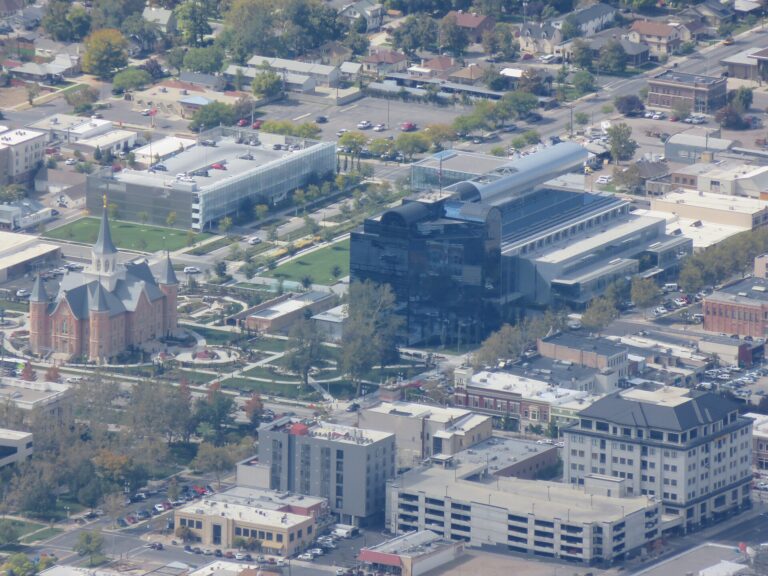
Provo sits in Utah Valley, 43 miles south of Salt Lake City, between the Wasatch Mountains and Utah Lake. BYU dominates the neighborhoods closest to campus. Walk Score rates Timp, Maeser and Joaquin as the most walkable Provo neighborhoods, against 45 for the city overall. The Census puts the median home value at $437,100, and prices and school assignments change a lot from one side of the grid to the other.
With a population of 114,303 and a jaw-dropping median age of just 23.7 years, Provo skews extremely young. That’s almost entirely BYU’s doing. It shapes everything: the rental market, the weekend noise level, the political culture, and which coffee shops stay open past 9 p.m. If you’re buying here as a long-term resident, you’re in a minority, and that can work in your favor or against you depending on the neighborhood.
This guide breaks down the city street by street, roughly, so you can figure out where you actually want to live rather than just where the algorithm points you.
How Provo Is Laid Out
Provo sits in Utah Valley, about 43 miles south of Salt Lake City along the Wasatch Front, between the Wasatch Mountains to the east and Utah Lake to the west. The grid system is strict and logical: Center Street runs east-west, University Avenue runs north-south, and addresses count outward from that intersection in increments of 100 per block. Once you learn the grid, navigation becomes almost automatic.
BYU’s campus anchors the northeast quadrant of the city and exerts enormous gravitational pull on everything within a mile radius. North Provo bleeds into Orem. South Provo gets progressively quieter and more family-oriented as you move away from the downtown core and the neighborhoods closest to the freeway interchange. The east bench, climbing the foothills, holds some of the most expensive real estate and the best mountain views.
The 7 Best Neighborhoods in Provo for 2026
1. Downtown Provo
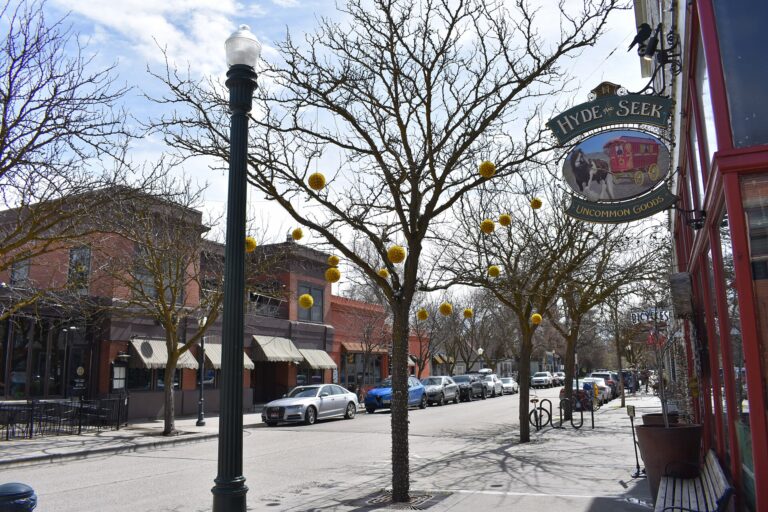
Vibe: Urban revival with a small-city ceiling. The 2010s brought a genuine renaissance here: the Rooftop Concert Series, the Covey Center for the Arts, and a cluster of restaurants and shops along Center Street that actually draw locals, not just tourists. It still has a ways to go compared to Salt Lake’s 9th and 9th district, but the bones are good.
Typical prices: For reference, the citywide median gross rent is $1,152/month.
Walkability: The best in Provo. You can reach restaurants, the Provo City Library, and the FrontRunner commuter rail station on foot. Walk Score rates the central Timp neighborhood at 90, and nearby Maeser and Joaquin at 74 and 72, against 45 for Provo as a whole.
Best for: Young professionals, remote workers, and empty nesters who want walkability and cultural energy without Salt Lake City prices.
Schools: Check the Provo City School District boundary maps for the schools assigned to a downtown address.
Downsides: Parking is a genuine hassle. Some blocks still feel transitional, with vacant storefronts next to new restaurants. Weekend nights get loud near the entertainment corridor.
2. The Joaquin Neighborhood
Vibe: The closest thing Provo has to a bohemian arts district. Joaquin sits just north of downtown and attracts artists, young families, and long-term renters who want character over cookie-cutter. Older Craftsman bungalows sit alongside some updated mid-century homes. It has a neighborhood association that actually does things.
Walkability: Good. The Provo Recreation Center and several parks are within easy reach.
Best for: Creative types, young couples, and people who want a neighborhood with some personality and don’t need the newest construction.
Schools: The Provo City School District’s current list of 13 elementary schools has no Joaquin Elementary, so check the district boundary maps for the elementary, middle and high school assigned to a Joaquin address.
Downsides: Some streets have aging infrastructure. The proximity to student rentals means turnover is high on certain blocks, which can affect neighborhood cohesion.
3. East Bench
Vibe: Quiet, affluent, and scenic. The east bench climbs the lower foothills of the Wasatch Range and offers mountain views that are genuinely stunning. These are mostly owner-occupied single-family homes on larger lots, populated by BYU faculty, established professionals, and families who have been here for decades.
Walkability: Low. You need a car for almost everything. The tradeoff is access to hiking trailheads that are practically in your backyard.
Schools: Edgemont Elementary is at 566 East 3650 North. Timpview High School offers more than 20 Advanced Placement courses, from AP Calculus BC to AP Chinese Language and Culture. The district’s middle schools are Centennial and Shoreline, and the district boundary map shows which one serves a given address, with Timpview offering robust AP and extracurricular programs.
Downsides: Expensive, car-dependent, and insulated from the city’s energy. Ice and snow on steep streets in winter is a real issue. Not the place to be if you moved here for the downtown scene.
4. South Provo
Vibe: Working-class and family-oriented, without the student-rental churn that affects central neighborhoods.
Walkability: Moderate near main corridors, low elsewhere.
Best for: First-time buyers, budget-conscious families, and people who prioritize affordability and community over prestige.
Schools: Check the Provo City School District boundary map for the elementary school assigned to a specific South Provo address.
Downsides: Interstate 15 runs through western Provo, so blocks near the freeway pick up traffic noise.
5. The BYU Campus Corridor (North University Avenue)
Vibe: Student land, full stop. The stretch of University Avenue nearest campus is almost entirely built around the BYU ecosystem. Apartment complexes, cheap pizza, copy shops.
Walkability: High, if your destination is BYU. Lower for everything else.
Best for: BYU students, landlords looking for rental income, and anyone with a short-term Provo stay who wants to minimize commute.
Schools: Irrelevant for most residents here.
Downsides: Noise, transience, and a social monoculture. If you’re not a student or religiously aligned with BYU’s culture, this neighborhood will feel like it wasn’t designed for you. Because it wasn’t.
6. Maeser Neighborhood
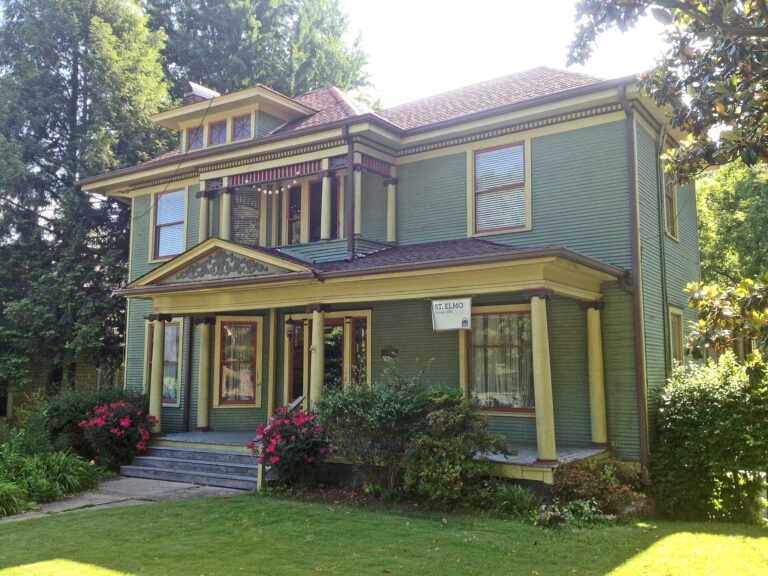
Vibe: One of the city’s most historic residential areas, sitting east of downtown and south of BYU’s campus. It shares its name with the historic Maeser School, named after Karl G. Maeser, an early principal of Brigham Young Academy. The neighborhood has genuine architectural character: Victorian-era homes, wide tree-lined streets, and a slower pace than you’d expect this close to campus. The Maeser School building is listed on the National Register of Historic Places.
Walkability: Good. Downtown is a short walk or bike ride away.
Best for: History buffs, preservationists, families who want proximity to campus without being swallowed by student culture, and anyone who appreciates a front porch.
Schools: Provo’s historic Maeser School, at 150 South 500 East, closed as a school in 2002 and was redeveloped by the Provo City Housing Authority as senior housing. Karl G. Maeser Preparatory Academy, a charter school with the same namesake, is in Lindon, not Provo. Families should check Provo City School District boundaries for their assigned schools.
Downsides: Older homes mean maintenance costs. Some properties have deferred upkeep. The neighborhood’s charm can attract short-term rentals that disrupt the residential character.
7. Spring Creek (South Provo)
Vibe: Suburban comfort with access to nature. This south Provo pocket, around Spring Creek Elementary, offers newer construction, well-kept streets, and a distinctly family-suburban feel. Less character than Maeser, more consistency than South Provo.
Walkability: Low. Most errands require a car.
Best for: Families with young children, outdoor-focused households, and people who want a newer home without going to Orem or Springville.
Schools: Spring Creek Elementary is at 1740 South Nevada Avenue in this part of south Provo. The district boundary maps show which elementary, middle and high school serve a given address.
Downsides: Car-dependent for everything except trail access. Some HOA restrictions. Lacks the urban energy that draws younger buyers to downtown or Joaquin.
The Hidden Gem: Franklin Neighborhood
Most Provo neighborhood guides skip right past Franklin, a residential area in the same city neighborhood district as Downtown, Joaquin and Maeser. It’s worth a closer look. Walk Score rates Franklin at 68, fourth in Provo behind Timp, Maeser and Joaquin. The Provo Farmers Market runs on Saturdays at Pioneer Park, 500 West Center.
Neighborhoods to Approach With Caution
Before committing to a specific address, check it on the Provo Police Department’s Community Crime Map. The BYU corridor, while safe in terms of crime, carries a different kind of risk for non-students: isolation from city life and a social culture that can feel exclusionary if you’re not part of it.
That juxtaposition tells you something real: a significant portion of the workforce is either students in temporary poverty or recent graduates underemployed relative to their credentials. If you’re moving here for a job, verify the local salary market carefully. The median household income of $62,800 sounds reasonable until you apply it to a median home value of $437,100, which puts the price-to-income ratio at nearly 7x, a stretch by any standard.
How to Choose the Right Neighborhood for You
Start with two questions: Do you have kids in school, and do you own or rent? Families with school-age children should look up the assigned schools for any address on the Provo City School District boundary maps before choosing a street. Renters, especially those new to Provo, should think hard about the BYU effect. If you’re not affiliated with the university, living adjacent to it means your landlord, your neighbors, and your local retail are all optimized for a transient student population, not for you.
Budget is the other honest filter. The city’s median gross rent is $1,152/month. For buyers, a household income meaningfully above the city median of $62,800 is close to a prerequisite for a comfortable purchase in most of Provo’s desirable neighborhoods. Run your own numbers before falling in love with a zip code.
Final Pick by Lifestyle
- Young professional or remote worker: Downtown Provo or Joaquin. Walkability, energy, and reasonable rents make these the clear choices.
- Family with kids: East Bench or Spring Creek. Check the district boundary map for the schools assigned to a specific address. Budget accordingly.
- First-time buyer on a tight budget: Franklin neighborhood or South Provo (pick your street carefully).
- Outdoor-focused household: East Bench or Spring Creek. Canyon access and trail proximity are hard to match from the west side of the city.
- History and architecture enthusiast: Maeser. No competition.
- BYU student or affiliate: The campus corridor. Efficiency and proximity win for the length of a degree.
Provo rewards people who do their homework. The city has real strengths, a university town energy, mountain access, a genuinely improving downtown, and room to grow, alongside real friction points in affordability, car dependence outside the core, and the outsized cultural footprint of BYU. Pick the neighborhood that fits the life you’re actually going to live here, not the one that looks best in a listing photo.
Frequently Asked Questions
What is the average rent in Provo, UT in 2026?
Is Provo, UT a good place to raise a family?
What is the safest neighborhood in Provo, UT?
How does Provo’s cost of living compare to Salt Lake City in 2026?
Which Provo neighborhoods are best for walkability?
Sources & methodology. Demographic and economic figures in this guide are drawn from the U.S. Census Bureau, 2019 to 2023 American Community Survey 5-Year Estimates. A newer 2020 to 2024 release came out on January 29, 2026; this guide still uses the 2019 to 2023 figures. Other figures come from the sources named next to them.
Last reviewed September 2026.
How this guide was made. Figures come from the U.S. Census Bureau ACS 2019 to 2023 5-year estimates and the other sources named next to each number. A first draft was written with the help of an AI language model; every place name, price, date and claim was then checked against primary sources by the Small City Guide editors (see About and Methodology). Last verified: September 26, 2026.
What changed: Fact-checked against primary sources in September 2026: 15 statements corrected, 5 off-topic Census sentences removed, opening rewritten.
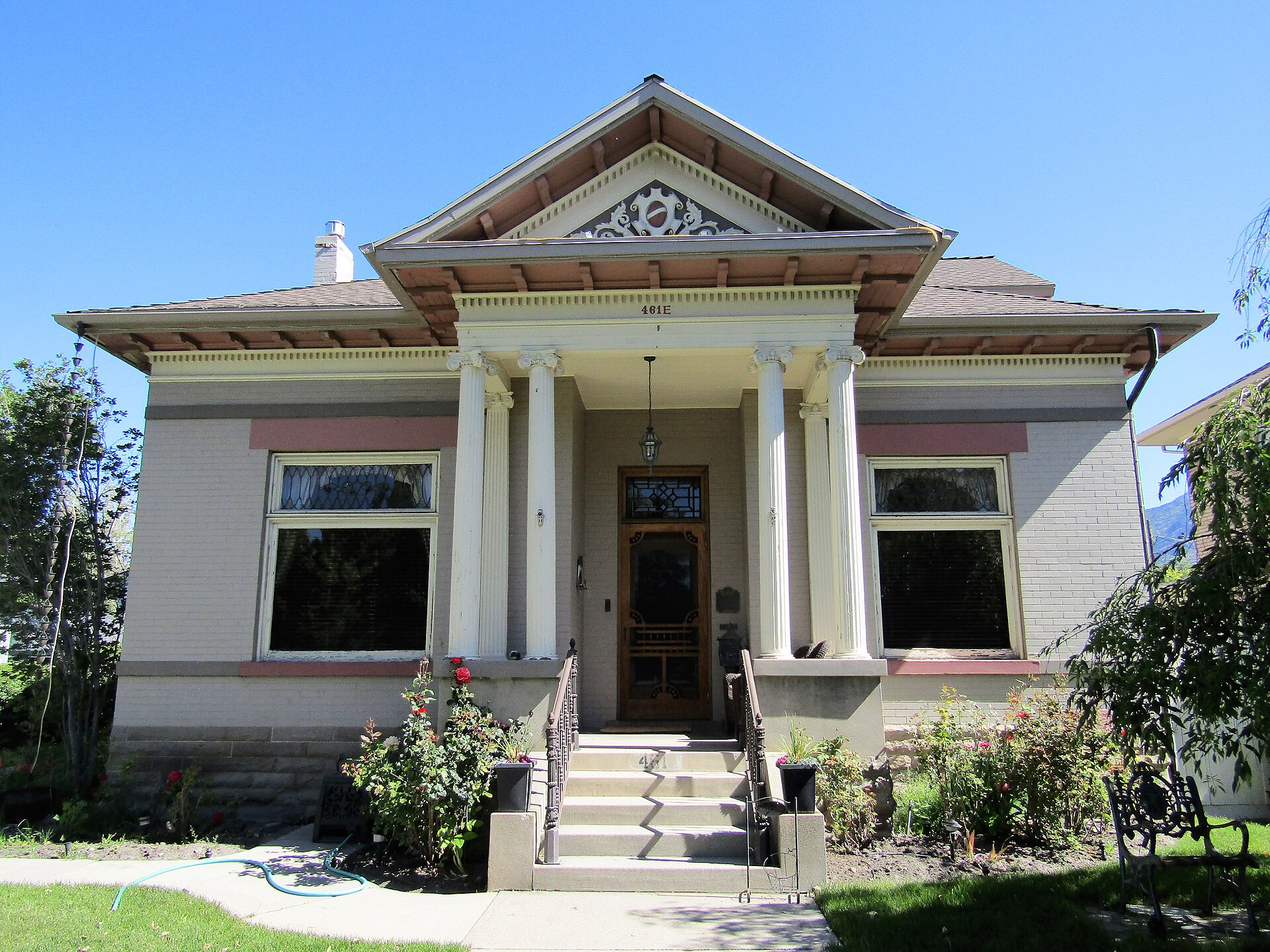
Photo: Ben P L from Provo, USA, CC BY-SA 2.0, via Wikimedia Commons.