Schools in Boise, ID: A Parent’s Guide for 2026
Forty-six point six percent of Boise residents hold a bachelor’s degree or higher. That single Census figure tells you a lot about what this city expects from its public schools and how seriously the community takes education. For parents relocating here, the school landscape is genuinely strong in places and genuinely patchy in others. Here is what you actually need to know before you sign a lease or put in an offer on a house.
How the Boise School District Is Structured
Boise School District (BSD) is the second-largest district in Idaho after West Ada, serving about 21,000 students (20,970 in spring 2026, per the Idaho Report Card) across 48 schools. Unlike most districts, BSD runs K-6 elementary schools, junior highs for grades 7 through 9, and three-year senior high schools for grades 10 through 12. There are no middle schools, and ninth graders attend junior high. A facilities plan under discussion in fall 2026 could move ninth grade into the high schools, but nothing has been adopted. The district is governed by a seven-member Board of Trustees elected at large to staggered six-year terms and is funded through a combination of state appropriations and local property taxes.
BSD runs a handful of magnet and specialty programs layered on top of its neighborhood school assignments. Families are assigned a school based on address but can apply for open enrollment transfers or magnet seats. That flexibility matters, because not every neighborhood school performs equally.
Ask each school for its current class sizes. District enrollment is well below building capacity in 2026.
Top Public Elementary Schools
Longfellow Elementary
Longfellow Elementary (1511 N. 9th Street) is in the North End, the older part of Boise generally defined as north of State Street.
Collister Elementary
Collister Elementary (4426 Catalpa Drive) does not offer Spanish immersion; BSD’s Spanish-English dual language program starts in kindergarten at Whitney and Whittier elementaries. What Collister does host is the district’s Highly Gifted GATE program, a full-time program that meets daily at Collister, with regional bus pickup to and from the school.
Adams Elementary
Adams Elementary (1725 Warm Springs Avenue) sits on Warm Springs Avenue in east Boise. Note that in September 2026 the district’s facilities consultants listed Adams among elementary schools that could be combined or have boundaries redrawn, so check its status before buying nearby.
Top Public Middle Schools
South Junior High School
South Junior High and West Junior High (grades 7-9) feed Borah High School (6001 W. Cassia Street) in southwest Boise. Ask each junior high about its advisory period, clubs and intramurals; Boise has no middle schools and no school named Borah Middle School.
East Junior High School
East Junior High (5600 E. Warm Springs Avenue) serves grades 7 through 9 and feeds Timberline High School. Sixth graders are still in elementary school, since BSD has no middle schools.
Top Public High Schools
Boise High School
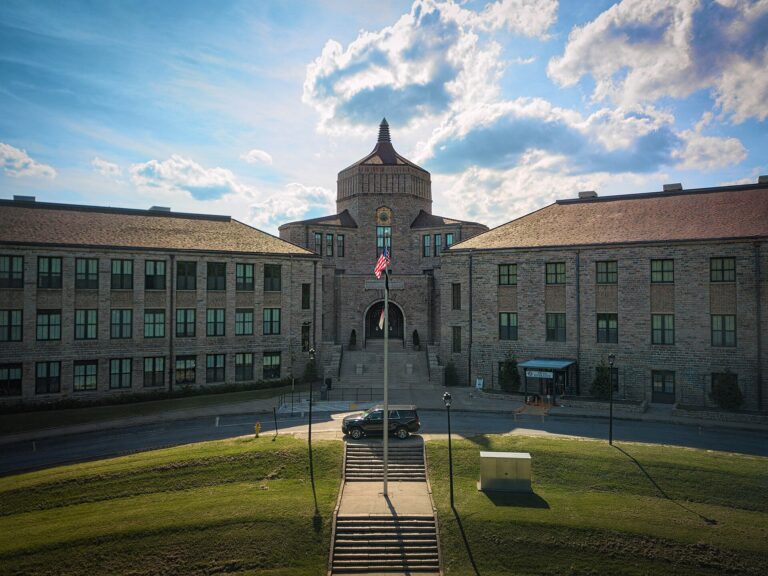
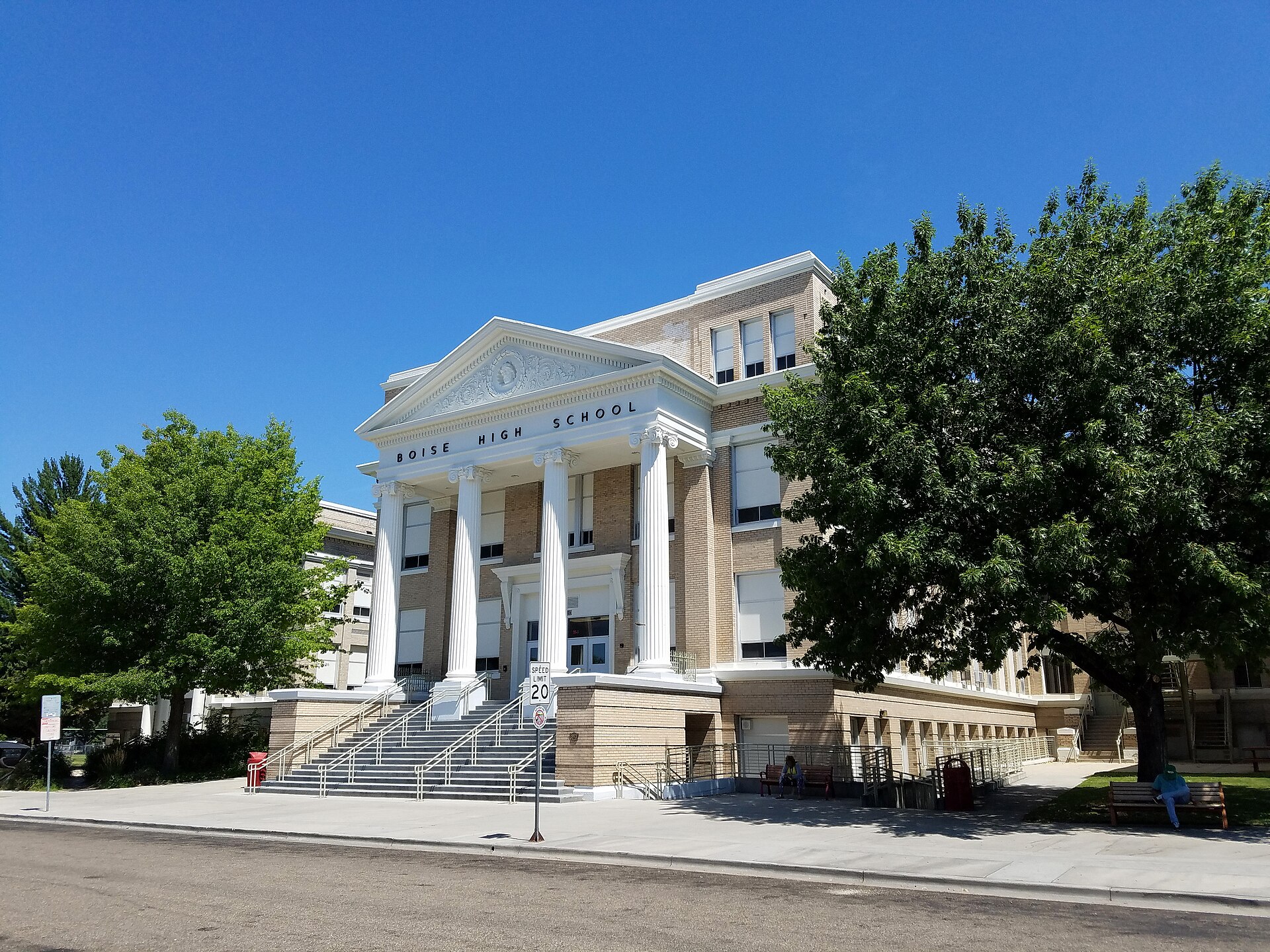
The oldest of Boise’s public high schools (established 1881), Boise High sits on the edge of downtown at 1010 W. Washington Street. Like other BSD high schools it offers Advanced Placement and dual-credit courses, and students who pass AP exams or dual-credit courses can enter college with credit. Check the school’s current four-year graduation rate on the Idaho Report Card (idahoreportcard.org) before relying on it.
Timberline High School
Timberline sits in southeast Boise at 701 E. Boise Avenue. It is the district’s newest traditional high school, opened in 1998 in a building that had housed Les Bois Junior High since 1994, and East and Les Bois junior highs feed it. On the U.S. News Idaho high school rankings page as of January 2026, Timberline ranked 7th in the state and Boise High 9th. Open enrollment lets families outside the zone apply.
Capital High School
Serving the northern part of the district from 8055 Goddard Road, with Fairmont and Riverglen junior highs as its feeders, Capital is one of BSD’s four traditional high schools. Its students, like those at every Boise high school, can take career-technical classes at the Dennis Technical Education Center (DTEC) in grades 10 through 12, with bus transportation provided from all Boise high schools.
Top Private Schools in Boise
Bishop Kelly High School
Bishop Kelly, a private Catholic high school founded in 1964, serves grades 9 through 12 at 7009 Franklin Road. Published 2026-27 tuition is $10,720, or $9,920 with parish support, plus annual student fees. Its faith-based character formation framework is central to the culture, so secular families should go in clear-eyed about that.
Gem State Adventist Academy
A Seventh-day Adventist boarding and day high school at 16115 S. Montana Avenue in Caldwell, Gem State Adventist Academy was established in 1918. Day tuition is lower than boarding rates: for 2025-26 the school listed $10,800 for a day student and $16,800 for a full-time dorm student.
Riverstone International School
Riverstone is an independent preschool through grade 12 school in Boise with day and boarding programs. It was the first International Baccalaureate World School in Idaho and offers all three IB programmes (Primary Years, Middle Years and Diploma). Published 2026-27 tuition runs from $19,400 for kindergarten through grade 2 to $23,200 in middle school and $25,500 to $27,700 in high school, plus enrollment fees; about a third of students receive tuition assistance.
The Ambrose School
The Ambrose School is a private, non-denominational classical Christian PreK-12 school in Meridian. Its published 2026-27 tuition at the Locust Grove campus runs from $9,050 for all-day kindergarten and first grade to $12,350 for grades 10 through 12 for a first child, with sibling discounts and separate fees.
Charter and Magnet Alternatives
Several public charter schools operate in and near Boise.
- Idaho Arts Charter School (IACS): Based in Nampa, IACS describes its approach as “Engaged Learning Through the Arts.” Admission is by lottery, and the school keeps a waitlist.
- Anser Charter School: Located in Garden City, the small city nearly surrounded by Boise, Anser is a K-8 public charter and EL Education school that uses an expeditionary learning model. Admission runs through a lottery and waitlist.
- Treasure Valley Classical Academy is a tuition-free classical charter, but its elementary campus is in Fruitland and its upper school is in Payette, in Payette County, so it is not a practical option for most Boise families. It opened in August 2019 for grades K-6 and now serves K-12.
- Idaho Virtual Academy: an online K-12 public school for Idaho students.
Higher Education in and Around Boise
The higher education picture here is strong for a city this size. Boise State University anchors the scene, sitting right on the edge of downtown along the Boise River. It enrolled 28,519 students in fall 2025. Full-time tuition and fees for Idaho residents are $9,789 for 2026-27, making it an accessible path for graduates of BSD high schools.
The College of Western Idaho (CWI) is the area’s primary community college, with campuses in Nampa and Boise. It offers associate degrees, professional certifications, and transfer pathways to Boise State. For families on a tighter budget, a two-year start at CWI followed by transfer to BSU is one option; CWI’s 2026-27 tuition for Idaho residents is $172 per credit hour.
Northwest Nazarene University in nearby Nampa is a small private Christian university affiliated with the Church of the Nazarene, with liberal arts roots. The University of Idaho, based in Moscow in northern Idaho, also has a Boise location.
Test Scores and Academic Performance
Idaho gives the ISAT in math and English language arts in grades 3 through 8 and grade 11 (science in grades 5, 8 and 11). Boise School District students roughly match the state average in English language arts (53% proficient vs. 54% statewide on the 2026 ISAT) and beat it in math (46% vs. 43%).
Those figures come from the Idaho Report Card (53.3% and 46.4% for the district, 54.0% and 43.1% statewide), which also posts school-level results. For context, Idaho’s per-pupil current spending was the lowest in the country in fiscal 2024, according to Census Bureau school finance tables. Boise’s schools punch above their funding weight.
Facilities, Enrollment and Teacher Pay
Facilities are a recurring concern. Voters passed a $172.5 million bond in March 2017 that rebuilt or renovated schools district-wide (about 90 percent complete by 2023), but the district now projects $480 million in deferred maintenance over the next five years that it cannot currently fund. The bigger 2026 issue is the opposite of overcrowding: the district has about 9,000 empty seats, elementary buildings were only 67 percent utilized in 2025, and a facilities master plan due in early 2027 could close or combine schools and redraw boundaries.
Idaho is a right-to-work state, and its starting teacher salaries have historically been low (the state minimum for a first-year teacher was $41,500 in 2024-25 and jumped to $50,252 in 2025-26, where it remains for 2026-27). That context matters when thinking about teacher quality and retention over the long run.
Best Neighborhoods for School Access
If school quality is your primary lens for choosing where to live, here is the honest geographic breakdown.
- North End: Longfellow Elementary is here, and Boise High’s attendance boundary includes the North End. North Junior High and Hillside Junior High feed Boise High.
- East End and Warm Springs: Adams Elementary on Warm Springs Avenue is in the Boise High quadrant, while East Junior High feeds Timberline, so the high school depends on the exact address.
- Northwest Boise (near Collister): Collister Elementary hosts the district’s Highly Gifted GATE program. The Spanish dual language program is at Whitney and Whittier, not Collister.
- Harris Ranch / East Boise: The far east end of Warm Springs has newer residential developments. Check current attendance zones carefully before buying.
- Southwest Boise: Borah High School serves the southwest portion of the district, with South and West junior highs as its feeders. The West Ada School District runs several schools in western Boise, so confirm the district before buying.
Renting for a year in a target neighborhood before buying gives you time to learn attendance boundaries, which the facilities master plan could redraw.
Boise’s school system is not perfect, and no honest guide would tell you otherwise. Do your research by neighborhood, visit the schools in person, and ask the front office staff what they wish more new families knew. That last step alone will tell you more than any rating website.
Frequently Asked Questions
What is the best public high school in Boise, Idaho?
How much does private school cost in Boise, ID in 2026?
Are there good charter schools in Boise, Idaho?
What is Boise School District’s average class size?
Which Boise neighborhoods have the best schools?
Sources & methodology. Demographic and economic figures in this guide are drawn from the U.S. Census Bureau, 2019 to 2023 American Community Survey 5-Year Estimates. A newer 2020 to 2024 release came out on January 29, 2026; this guide still uses the 2019 to 2023 figures. Other figures come from the sources named next to them.
Last reviewed September 2026.
How this guide was made. Figures come from the U.S. Census Bureau ACS 2019 to 2023 5-year estimates and the other sources named next to each number. A first draft was written with the help of an AI language model; every place name, price, date and claim was then checked against primary sources by the Small City Guide editors (see About and Methodology). Last verified: September 26, 2026.
What changed: Fact-checked against primary sources in September 2026: 45 statements corrected, 11 off-topic Census sentences removed, opening rewritten, photo replaced with a credited image of the city. On September 27, 2026 every named place and figure was re-checked; details that could not be confirmed from a primary source were removed.
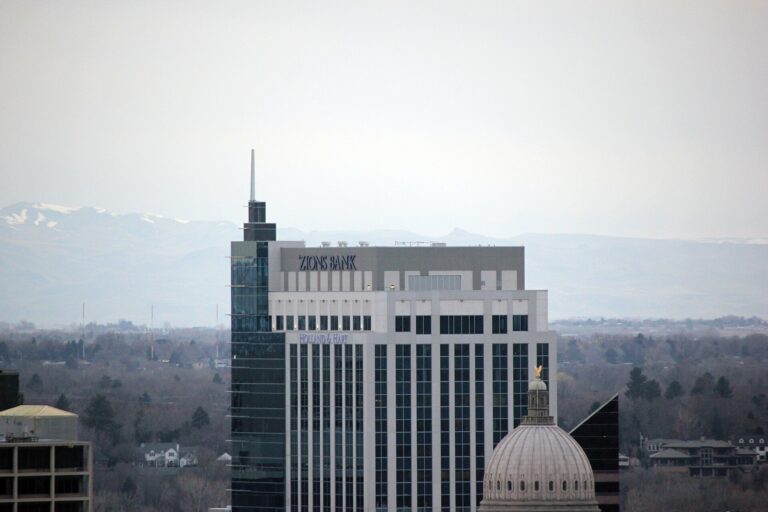
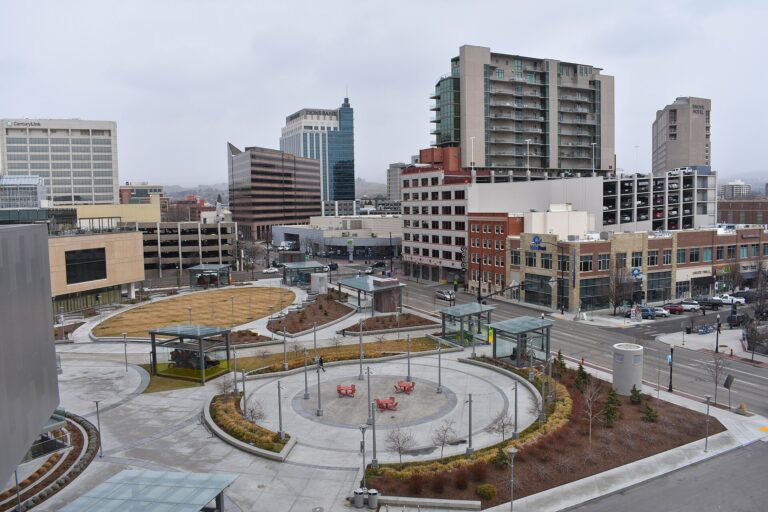
Photo: Tamanoeconomico, CC BY-SA 4.0, via Wikimedia Commons.