Flagstaff, AZ Cost of Living 2026: Housing, Snow, Wages
Flagstaff sits at about 7,000 feet on the Colorado Plateau, surrounded by ponderosa pine forest, and its airport weather station records about 90 inches of snow in a normal year. Housing sets the budget here: the Census puts the median home value at $503,400 and median gross rent at $1,555, against a median household income of $68,041. The city minimum wage is $18.35 an hour in 2026, and Northern Arizona University, with about 19,500 students at its Flagstaff and Phoenix Bioscience Core locations, keeps rental demand high.
The city has a population of 76,333 and a median age of just 26 years, driven largely by Northern Arizona University, which reported 19,453 students at its Flagstaff and Phoenix Bioscience Core locations in spring 2025 (25,748 across all campuses and online). That youth skews everything from bar culture to rental demand to political lean. What it also does is mask a real affordability problem: a 19.4% poverty rate sitting alongside a median household income of $68,041 per year tells you that the gap between students, service workers, and professional residents is wide.
This is not a cheap mountain town. It has not been one for years. But it offers something genuinely rare: four actual seasons, immediate access to wilderness, a walkable historic downtown, and a university-fueled energy that most small cities of this size simply cannot sustain. Whether that trade-off works for your budget is exactly what this guide is here to answer.
Housing Costs in Flagstaff: Rent and Buy in 2026
Housing is the biggest shock for people relocating from Phoenix or Tucson. The Census-verified median home value is $503,400, which puts Flagstaff firmly in “expensive small city” territory. Against a $68,041 median household income, that price is out of reach for many residents, which helps explain why the homeownership rate is only 41.9%.
Renters are not having an easier time. The Census-verified median gross rent is $1,555 per month. Here is how the main neighborhoods break down:
Downtown and Southside
The most walkable area in the city. Downtown centers on Heritage Square. The Southside, just south of downtown, was historically home to many residents of Spanish, Basque and Mexican heritage. Off-street parking matters in a city that averages about 90 inches of snow a year.
East Flagstaff and the NAU Area
NAU’s proximity drives rental demand here.
Northwest Flagstaff
Families who want a yard and distance from the student corridor often look here.
Kachina Village and Mountainaire
These unincorporated communities sit south of the city; Kachina Village, off State Route 89A, is primarily a bedroom community for Flagstaff. The catch: you are commuting on winter roads that get icy, and you give up walkability entirely. For buyers priced out of Flagstaff proper, this is often the realistic path in.
Food and Groceries: The Monthly Reality
Safeway has three stores in Flagstaff. Some residents stock up on bulk items during trips to Phoenix.
Eating out is where the city earns its charm and its reputation for being expensive. Downtown has genuinely good independent restaurants. Tinderbox Kitchen and Pizzicletta are two downtown names to know. The brewery scene includes Lumberyard, Dark Sky and Historic Brewing.
Transportation: You Will Probably Need a Car
Flagstaff has Mountain Line, a bus system run by the Northern Arizona Intergovernmental Public Transportation Authority that covers the main corridors reasonably well for a city its size. An adult one-way fare is $1.25, a day pass is $2.50 and a 30-day FlagPass is $34. NAU students can get around without a car. For working residents, especially those commuting to hospital campuses, the county building, or anywhere outside a half-mile radius of downtown, a car is a practical necessity.
Winter driving is not optional knowledge here. You need all-season or snow tires, especially if you are moving from somewhere flat.
Annual NAU parking permits for 2026-2027 run $500 to $600 for surface lots and $685 to $775 for the garages. No real surprises there.
Flagstaff Pulliam Airport has limited service: American Airlines flights to Phoenix Sky Harbor and Dallas/Fort Worth. For anything else, most residents drive about 145 miles down Interstate 17 to Phoenix for flights, which adds a real hidden cost to any frequent traveler’s annual budget.
Healthcare in Flagstaff
The primary healthcare anchor is Flagstaff Medical Center, a regional hospital operated by Northern Arizona Healthcare. The Arizona Department of Health Services lists it as a Level I Trauma Center, which matters given the outdoor recreation culture. The Guidance Center, a nonprofit community mental health center, serves behavioral health needs, which the city’s poverty and unemployment numbers (a 6.5% unemployment rate, against 5.2% nationally in the same Census survey) make especially critical.
The city’s elevation does affect some people medically. Altitude sickness during the first few weeks is not uncommon for newcomers from sea level, and it can temporarily aggravate respiratory conditions. This is rarely serious, but it is worth flagging for anyone with asthma or cardiovascular concerns.
Entertainment and Lifestyle Costs
Here is where Flagstaff quietly punches above its weight. The outdoor access is remarkable. The San Francisco Peaks, including Humphreys Peak at 12,637 feet (the highest point in Arizona), rise just north of the city. The Arizona Snowbowl ski resort sits on the Peaks about 15 miles north of Flagstaff. For 2026/27, an adult unlimited Power Pass is $1,049, while a Snowbowl Weekday Pass runs $175 to $275 depending on the number of weekdays. Trails for hiking and mountain biking are accessible year-round, with most of the good ones free. Grand Canyon National Park’s South Entrance is about a 90-minute drive north; a $70 Grand Canyon annual pass (or the $80 America the Beautiful pass for all national parks) makes regular visits realistic.
The arts and culture scene is genuinely active for a city of 76,000. The Flagstaff Symphony Orchestra plays at NAU’s Ardrey Auditorium. The Orpheum Theater downtown hosts concerts. First Friday ArtWalk draws a real crowd. You can spend less by leaning into the free outdoor side of life here.
The 51.8% bachelor’s degree attainment rate is high, and you feel it. Coffee shops have working writers and researchers, not just laptops open to Netflix. Conversations are easy to have. The downside is a modest income ceiling: high education levels do not always translate to high-paying local employers, which is why so many educated Flagstaff residents end up in the “overqualified, underpaid” category that feeds the 19.4% poverty rate.
Flagstaff vs. Phoenix and Tucson
Phoenix is the obvious comparison. The same Census survey puts the City of Phoenix median home value at $381,900, lower than Flagstaff despite being a major city, and its median household income at $77,041, higher than Flagstaff’s. The heat, sprawl, and car dependency are extreme, but the raw cost of a comparable lifestyle is measurably cheaper. Someone choosing Flagstaff over Phoenix is paying a premium specifically for altitude, climate, and small-city character. That is a real trade-off, not a savings.
Tucson is a closer comparison in size and energy. The same Census survey puts Tucson’s median home value at $242,200 and median gross rent at $1,079, making it dramatically more affordable than Flagstaff. The University of Arizona gives Tucson a similar college-town vibe. What Tucson does not have: the alpine climate, the ski access, or the dramatic seasonal variety. If cost is your primary driver, Tucson wins clearly. If you came to Flagstaff for the mountains and the seasons, no spreadsheet will talk you into Tucson.
Honest Pros and Cons
The Real Pros
- Climate: Actual winters, cool summers topping out around 82°F. No 115-degree weeks.
- Outdoor access: Skiing, hiking, mountain biking, and canyon country all within a day trip.
- Educated community: 51.8% bachelor’s degree attainment creates a genuinely engaged civic culture.
- Walkable core: Downtown is one of the best small-city downtowns in the Southwest.
- Distance from Phoenix: Close enough for a weekend trip, far enough to feel like a different world.
The Real Cons
- Housing costs vs. wages: A $503,400 median home value on a $68,041 median income is a structural mismatch that strains most households.
- Poverty and inequality: A 19.4% poverty rate means real economic stress coexists with the charming downtown facade.
- Unemployment: A 6.5% unemployment rate reflects a seasonal and service-heavy economy. Work-from-home professionals have a real edge here.
- Isolation: Limited flight options and about 145 miles by interstate to Phoenix. This wears on some people faster than they expect.
- Snow costs: Tires, shoveling, occasional road closures, and higher utility bills in winter add up.
Who Flagstaff Is Right For
The remote worker with a portable income. If you earn a remote salary set outside the local market, Flagstaff’s cost-of-living premium shrinks considerably and the quality-of-life gains become obvious.
The outdoor-first renter in their 20s and early 30s. The median age of 26 is not accidental. Flagstaff is a genuinely exciting place to be young, active, and willing to live with roommates while skiing every weekend. The math works if you go in with realistic expectations about wages.
The NAU-connected professional. University towns create a stable ecosystem of healthcare, education, and government jobs. If you work for NAU, Flagstaff Medical Center, Coconino County, or Flagstaff Unified School District, your salary and benefits are calibrated to local costs in a way that private-sector jobs often are not.
The retiring couple with equity from somewhere expensive. If you are selling a $900,000 house in California or the Pacific Northwest and arriving with cash, Flagstaff is a real value. You get a genuine mountain town with a hospital, an arts scene, four seasons, and good walkability at a price that feels like a deal compared to your origin market. The caveat: make sure you have tested the winters before committing.
The Bottom Line on Flagstaff in 2026
Flagstaff is one of the most genuinely characterful small cities in the American West. It is also one of the more expensive ones relative to local wages. The $503,400 median home value and $1,555 median rent are not abstractions. They represent a real squeeze on the $68,041 median household income, and the 19.4% poverty rate shows that the squeeze is already drawing blood for a significant portion of the population.
Come here because you want the mountains, the climate, the community, and the pace, not because you have run the numbers and found a bargain. The people who thrive in Flagstaff are the ones who moved here deliberately, knowing exactly what they were buying. The ones who leave frustrated are usually the ones who assumed that a city of 76,000 would be proportionally cheaper than a big metro. It is not. But it offers something most big metros cannot buy at any price.
Frequently Asked Questions
What is the average rent in Flagstaff AZ in 2026?
Is Flagstaff AZ expensive to live in?
What salary do you need to live comfortably in Flagstaff AZ?
How does Flagstaff cost of living compare to Phoenix?
Does it really snow a lot in Flagstaff and does that affect costs?
Sources & methodology. Demographic and economic figures in this guide are drawn from the U.S. Census Bureau, 2019 to 2023 American Community Survey 5-Year Estimates. A newer 2020 to 2024 release came out on January 29, 2026; this guide still uses the 2019 to 2023 figures. Other figures come from the sources named next to them.
Last reviewed September 2026.
How this guide was made. Figures come from the U.S. Census Bureau ACS 2019 to 2023 5-year estimates and the other sources named next to each number. A first draft was written with the help of an AI language model; every place name, price, date and claim was then checked against primary sources by the Small City Guide editors (see About and Methodology). Last verified: September 26, 2026.
What changed: Fact-checked against primary sources in September 2026: 10 statements corrected, opening rewritten, photo replaced with a credited image of the city.
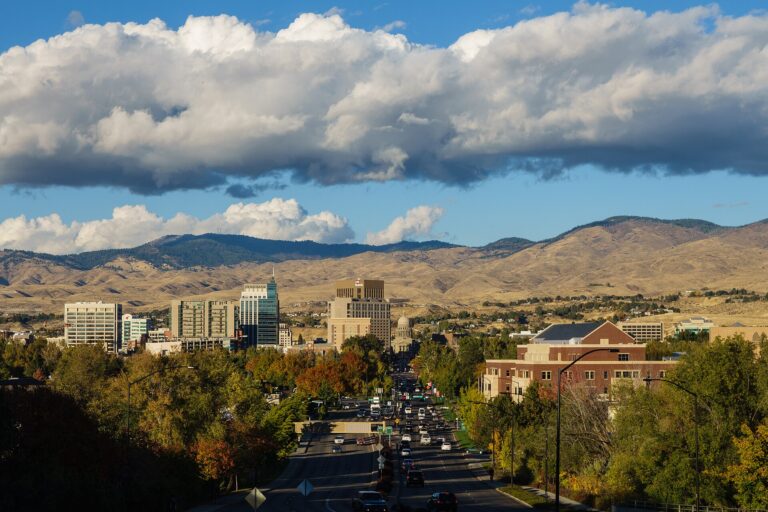
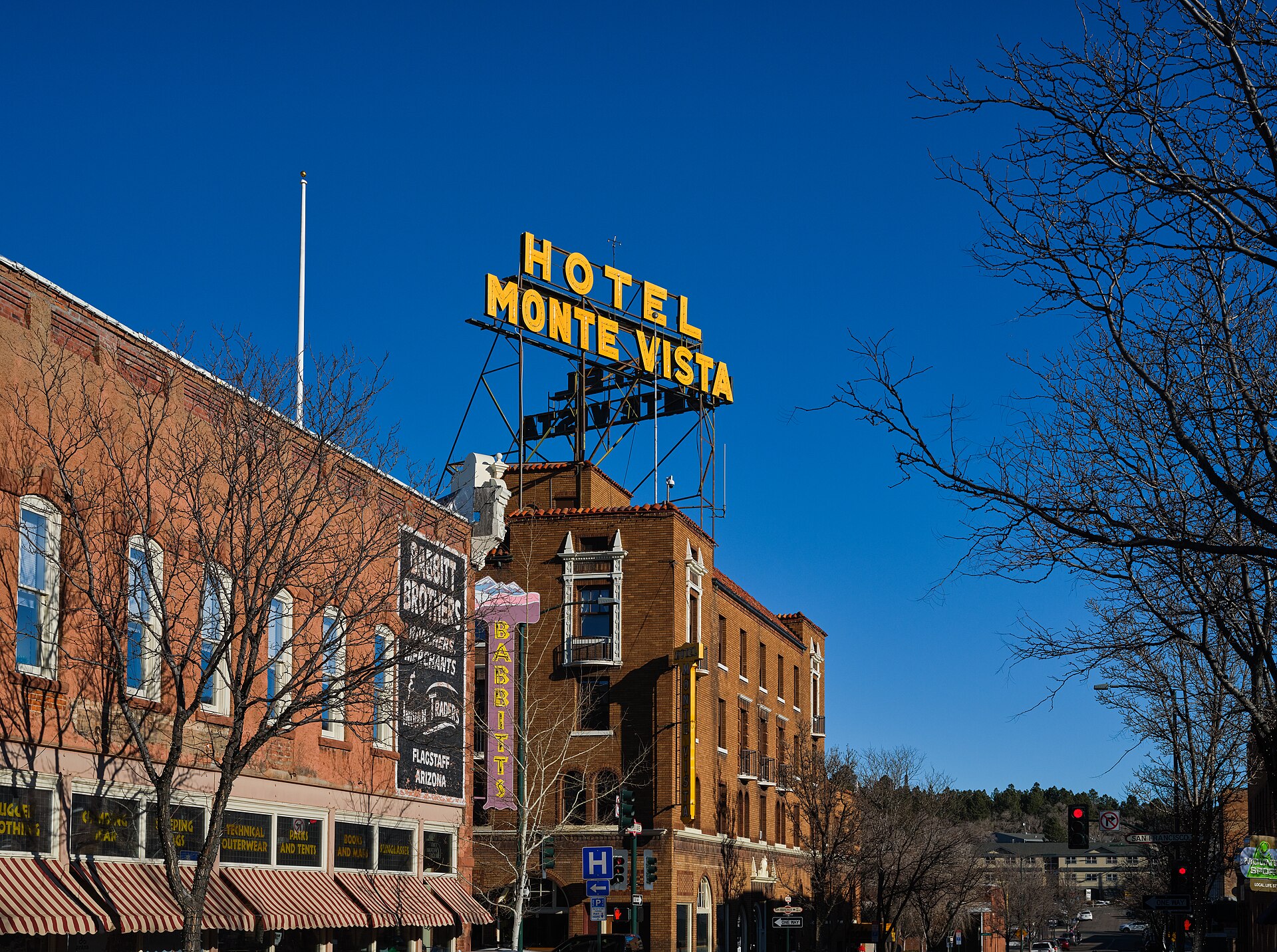
Photo: Tony Webster from Minneapolis, Minnesota, United States, CC BY-SA 2.0, via Wikimedia Commons.