Charming brick building with unique street clock in Wabasha, Minnesota. Urban historic scene at dusk.

Bentonville, AR Cost of Living: A Real 2026 Breakdown

Affiliate disclosure: Some links in this post are affiliate links. If you click through and make a purchase, Small City Guide may earn a small commission at no extra cost to you. We only recommend services we believe genuinely help relocators. Full disclaimer here.

Bentonville, Arkansas has pulled off something unusual: it became one of the most talked-about relocation destinations in the country without anyone quite seeing it coming. Five years ago, most people outside the region knew it only as “Walmart’s town.” Today, remote workers, outdoor enthusiasts, and corporate transplants are arriving with U-Hauls, and the numbers behind the city have shifted accordingly. If you are thinking about moving here, here is what your money will actually do in 2026.

Bentonville, AR at a Glance
Population56,326
Median age31.9 years
Median household income$108,465/year
Median home value$370,700
Median gross rent$1,238/month
Homeownership rate50.4%
Bachelor’s degree or higher53.7%
Poverty rate6.3%
Unemployment rate2.7%

Source: U.S. Census Bureau, 2019 to 2023 American Community Survey 5-Year Estimates.

A Quick Picture of Bentonville

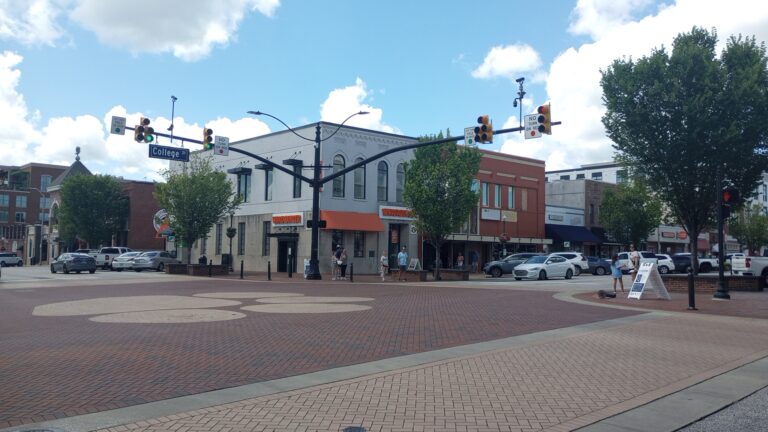
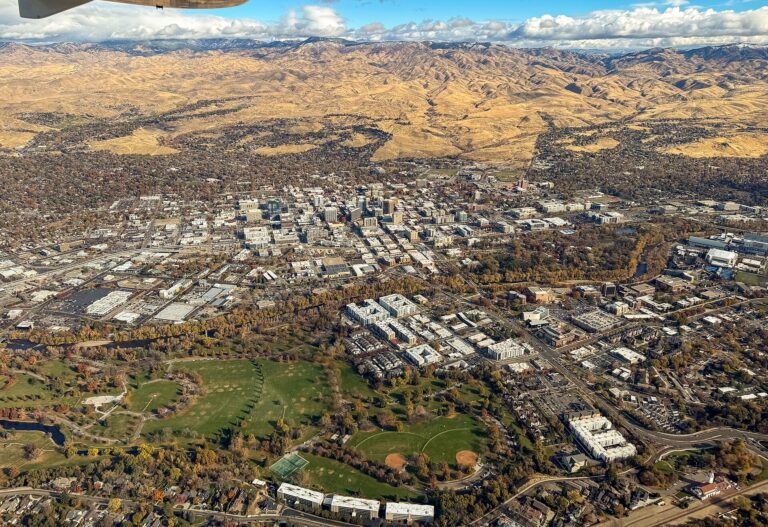
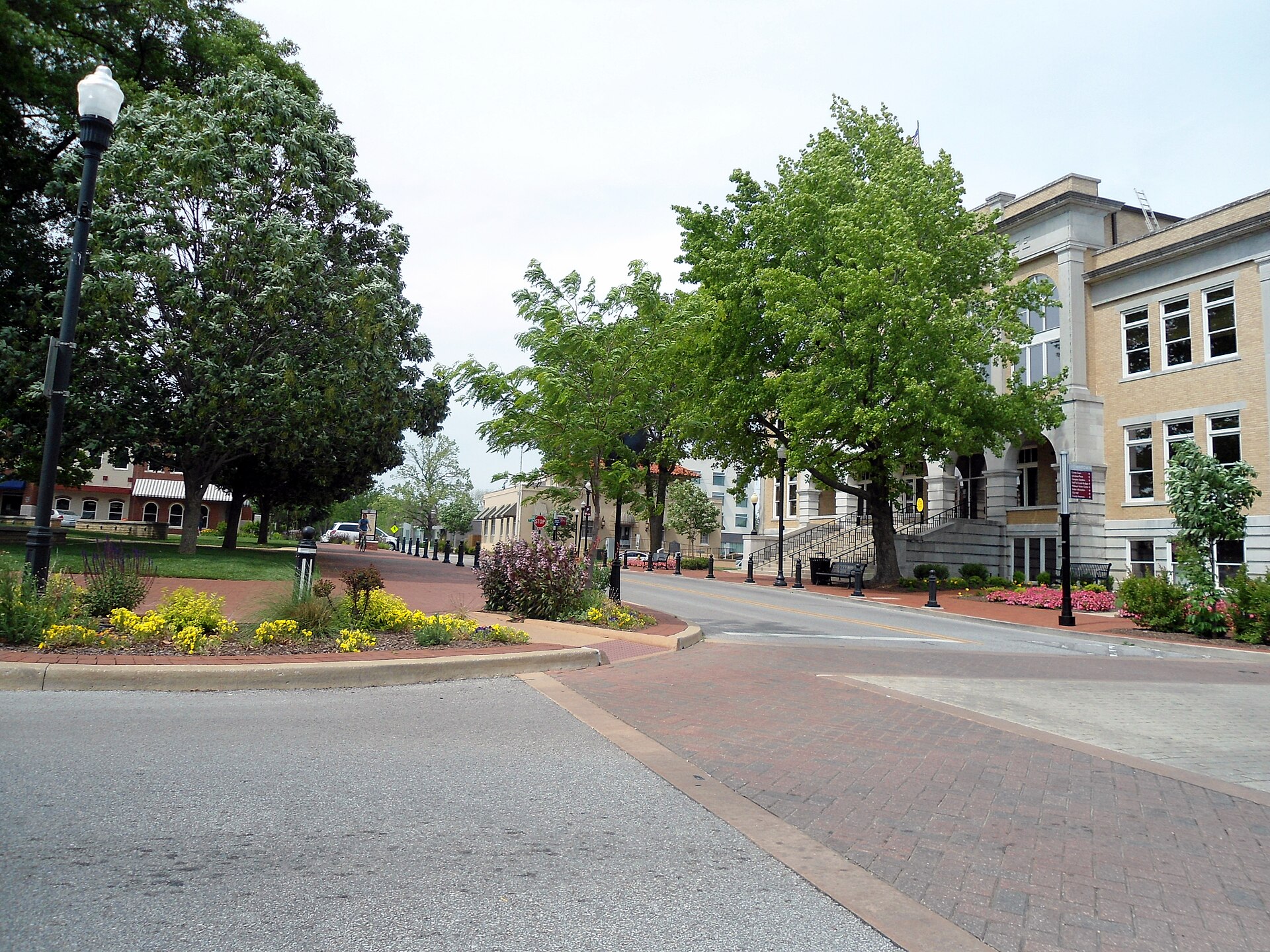
Bentonville sits in the northwest corner of Arkansas, about 30 miles south of the Missouri border, inside the broader Northwest Arkansas metro that includes Rogers, Springdale, and Fayetteville. The city proper has a population of 56,326, which is still small enough that you can drive across town in 15 minutes on a quiet Sunday, but large enough to have a real restaurant scene, a world-class mountain bike trail network, and a Crystal Bridges Museum of American Art that draws visitors from across the country.

The median age here is 31.9 years. That is genuinely young for a city this size, and you feel it. The downtown square has energy on weeknights. New apartment complexes are under construction on what used to be empty lots. The unemployment rate sits at just 2.7%, a figure that reflects both Walmart’s gravitational pull on corporate employment and a broader ecosystem of suppliers, tech startups, and logistics firms that have clustered around it.

Education levels are notably high. 53.7% of residents hold a bachelor’s degree or higher, compared to roughly 36% nationally. That shapes the professional culture, the coffee shop conversations, and frankly the cost of housing. Educated, well-paid workers drive up prices. Bentonville’s poverty rate of 6.3% is well below the national average of around 12%, which tells you this is not a struggling town, but also signals that the safety net here is thinner than in larger metros if you land on the wrong side of the income curve.

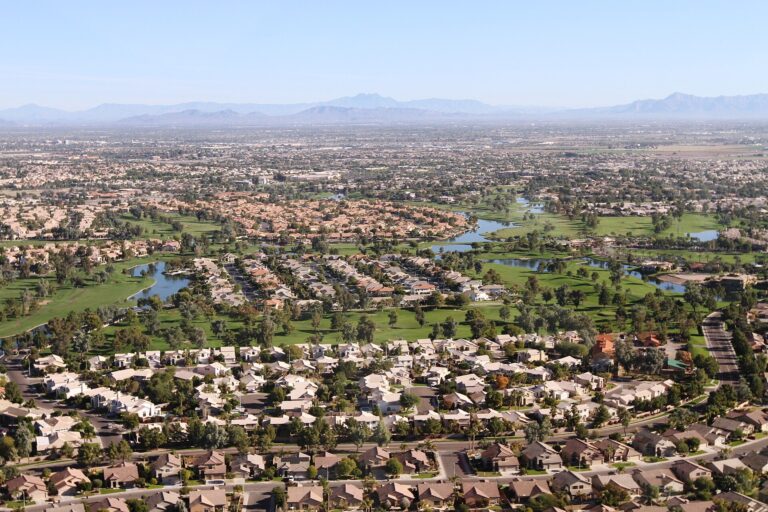
Photo by Far Chinberdiev on Unsplash

Housing Costs: Renting in Bentonville

The Census Bureau’s 2019 to 2023 American Community Survey puts the median gross rent at $1,238/month. In 2026, that figure has crept upward. Expect to pay closer to $1,300 to $1,500/month for a decent one-bedroom, and $1,600 to $2,000/month for a two-bedroom in most mid-range apartment complexes. The homeownership rate of 50.4% means roughly half the population rents, so there is a functional rental market, but availability in newer buildings tightens quickly because demand has outpaced construction in some sub-markets.

Rent by Neighborhood

  • Downtown Bentonville: The most walkable pocket of the city. Studios and one-bedrooms in renovated properties run $1,400 to $1,900/month. You are paying for proximity to the square, Crystal Bridges, and the Razorback Greenway trailhead.
  • Bella Vista (north): Technically a separate city but functionally Bentonville’s northern suburb. Older housing stock keeps rents lower, around $1,100 to $1,400/month for a two-bedroom. The tradeoff is longer commutes and fewer walkable amenities.
  • Bentonville South / I-49 Corridor: New apartment developments near the interstate offer modern finishes at $1,500 to $1,850/month for two bedrooms. Car-dependent but convenient to major employers.
  • Sugar Creek / Osage Creek areas: Family-oriented neighborhoods with a mix of older rentals and newer townhomes. Two-bedrooms range from $1,250 to $1,600/month.

Housing Costs: Buying in Bentonville

The median home value is $370,700 according to the ACS data. In practical 2026 terms, that buys you a three-bedroom, two-bathroom home in an established neighborhood, nothing flashy, but solid. Entry-level homes in Bentonville now start around $280,000 to $320,000 for older or smaller properties. Anything recently built in a desirable neighborhood starts at $400,000 and climbs fast.

Compared to the national median home value (hovering around $420,000 to $440,000 in 2026), Bentonville looks reasonable. Compared to what $370,000 bought here in 2018, it is a very different calculation. Prices roughly doubled in some neighborhoods over that period. The good news: the median household income of $108,465/year means that for dual-income professional households, the math still works. A couple earning that combined income and putting 10% down on a $370,000 home would be looking at a monthly mortgage payment of approximately $2,400 to $2,600 at current rates, which is manageable but not trivial.

Home Prices by Area

  • Downtown / Arts District: $450,000 to $700,000+. Renovated craftsman homes and new infill construction command a premium.
  • Pinnacle Hills / Pleasant Crossing: $380,000 to $550,000. Newer construction, larger lots, popular with corporate relocators.
  • Bella Vista: $260,000 to $380,000. The most affordable homeownership option in the metro. Older homes, larger lots, some on golf courses.
  • New construction subdivisions (city edges): $350,000 to $500,000. Larger square footage but cookie-cutter layouts and HOA fees of $100 to $250/month.

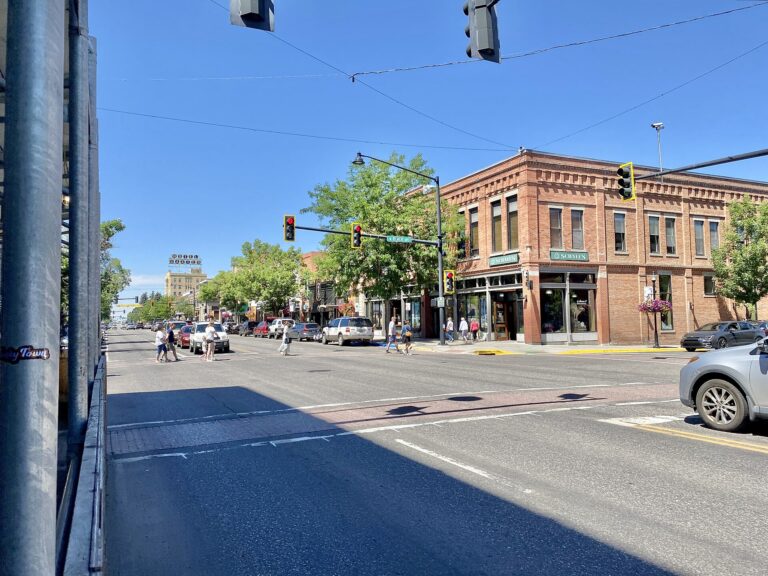
Photo by Aaron Doucett on Unsplash

Food and Groceries

A single person spending thoughtfully at the grocery store will spend around $350 to $450/month in Bentonville. A family of four can expect $800 to $1,100/month, depending on how much they cook versus eat out. The city has a Walmart Supercenter (obviously), multiple Harps Food Stores, an Aldi, and a growing number of specialty grocers. Whole Foods and Trader Joe’s are not in Bentonville itself but are accessible in nearby Rogers and Fayetteville.

Dining out is a genuine strength here. The downtown square has developed a legitimate restaurant scene over the past decade. A sit-down dinner for two at a mid-range spot like Preacher’s Son or Tusk and Trotter runs $60 to $90 with drinks. Fast casual lunch averages $12 to $16 per person. Coffee shops are plentiful and reasonably priced, with most specialty drinks running $5 to $7.

Alcohol is one area where Arkansas’s quirks cost you. The state has historically restrictive liquor laws, and while Benton County went wet in 2012, prices at bars and restaurants remain slightly elevated compared to less regulated states. Budget around $40 to $60/month if you drink casually at home, more if you frequent bars regularly.

Transportation

Bentonville is car-dependent. Full stop. There is no meaningful public transit system. The Razorback Regional Transit bus service covers some routes across Northwest Arkansas, but frequency and coverage are limited enough that it is not a practical daily commute solution for most residents. You will need a car.

Gas prices in Arkansas typically run 10 to 20 cents below the national average, which helps. Expect to pay roughly $3.00 to $3.40/gallon in 2026 at local stations. Monthly fuel costs for a typical commuter driving 1,000 to 1,200 miles/month land around $120 to $180.

Car insurance in Arkansas averages around $1,200 to $1,500/year for a standard policy, which is close to the national average. Parking in Bentonville is free almost everywhere, including most of downtown, which is a genuine quality-of-life advantage over larger cities.

The mountain bike trail network (Slaughter Pen, Back 40, and others) means that some residents who live near trail access genuinely commute or run errands by bike during good weather. It is not the norm, but it is more realistic here than in most Southern cities of this size.

Healthcare

Healthcare infrastructure in Bentonville has expanded significantly as the population has grown. Mercy Hospital Northwest Arkansas in Rogers (about 8 miles south) is the primary regional hospital, with a full emergency department and specialty care. Northwest Medical Center in Bentonville itself handles general and urgent care needs. For serious cases, patients are often referred to larger facilities in Fayetteville, about 30 miles south.

Health insurance costs depend heavily on your employer. Walmart and its supplier ecosystem generally offer competitive benefits packages. For individuals purchasing plans on the ACA marketplace, expect premiums of $350 to $600/month for a silver plan, depending on age and subsidy eligibility. A primary care visit without insurance runs $130 to $180. Specialist visits average $200 to $350.

One honest limitation: mental health providers are in short supply across most of Northwest Arkansas. Wait times for new patients seeing psychiatrists or therapists can stretch to several weeks or longer. This is worth factoring in if mental health care is a regular need.

Entertainment and Lifestyle

This is where Bentonville genuinely punches above its weight. Crystal Bridges Museum of American Art offers free general admission (funded by the Walton family), which means world-class art is accessible without a budget line item. The Momentary, a contemporary art and music venue nearby, draws national acts and has reasonable ticket prices.

The mountain biking scene is the most significant draw for a certain type of resident. Bentonville was named one of the top mountain biking destinations in North America, and the trail network is legitimately excellent and free to use. A decent entry-level trail bike runs $1,200 to $2,500, and gear adds another few hundred dollars, but once you are set up, the ongoing cost is minimal.

Monthly entertainment spending for a couple who enjoys dining out twice a week, occasional concerts, and some recreational activities runs about $400 to $700/month. There is no NBA team, no major league sports, and no sprawling nightlife district, but the University of Arkansas Razorbacks in nearby Fayetteville fill some of that gap if sports matter to you.

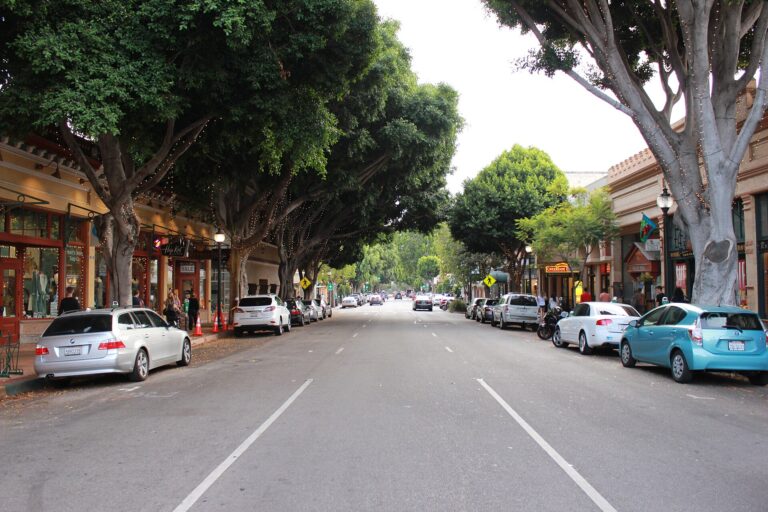
Photo by Erik Mclean on Pexels

How Bentonville Compares to Nearby Cities

Fayetteville, AR (30 miles south)

Fayetteville is larger, home to the University of Arkansas, and has a more developed arts and nightlife scene. Median home values there run about $10,000 to $30,000 higher than Bentonville in comparable neighborhoods near the university. Rents are similar or slightly higher due to student demand. Fayetteville feels more eclectic and diverse culturally. Bentonville feels more corporate and polished. If you work at Walmart HQ or in the supplier ecosystem, Bentonville is the practical choice. If you prioritize college-town energy and a broader social scene, Fayetteville competes seriously.

Tulsa, OK (about 110 miles northwest)

Tulsa is a proper mid-size city with a population of around 400,000, a revitalized downtown, and a cost of living that is roughly comparable to Bentonville on housing but notably lower on some goods and services. Tulsa’s median home price runs about $180,000 to $220,000, substantially cheaper than Bentonville. The tradeoff is fewer high-paying corporate jobs concentrated in one area and a more traditional Oklahoma city culture. Tulsa is gaining momentum as a remote worker destination, but Bentonville’s job density and outdoor amenities remain differentiators.

Honest Pros and Cons of Living in Bentonville

The Real Advantages

  • Job market concentration: The Walmart supplier ecosystem creates unusually strong demand for corporate professionals. The 2.7% unemployment rate is not an accident.
  • Outdoor access: World-class mountain biking and proximity to the Ozarks are not marketing spin. They are genuinely available and affordable.
  • Free cultural institutions: Crystal Bridges and the Momentary represent a cultural investment per capita that few cities this size can match.
  • Low taxes: Arkansas has no local income tax in Bentonville, and property taxes are well below the national average.
  • Young, educated population: That 31.9 median age and 53.7% college-educated rate create a professional community that feels engaged and active.

The Real Drawbacks

  • Corporate monoculture risk: A significant portion of the local economy orbits around one company. If Walmart shifts supplier requirements or moves functions elsewhere, the downstream effects are real.
  • Car dependency: You cannot meaningfully live here without a reliable vehicle. Transit is not a viable alternative.
  • Rapid price appreciation: Home prices have surged. The affordability advantage over major metros has narrowed considerably since 2019.
  • Limited diversity: Bentonville is less racially and culturally diverse than most cities its size, which matters to some residents more than others.
  • Healthcare gaps: Mental health provider access is limited, and serious medical cases often require travel to Fayetteville or beyond.
  • Summer heat: Arkansas summers are hot and humid. If you are coming from a cooler climate, July and August will require adjustment.

Who Is Bentonville Right For?

The Corporate Relocator

If your employer is moving you to work with Walmart or one of the hundreds of supplier companies based in Northwest Arkansas, Bentonville is the obvious choice. The median household income of $108,465/year reflects a local economy built around professional salaries. You will find peers, a reasonable cost of living relative to that income, and a city that has invested in making itself livable for exactly this demographic.

The Outdoor-First Remote Worker

Remote workers who prioritize trail access, open space, and a lower cost of living than mountain towns in Colorado or Utah have discovered Bentonville in force. If your salary is set by a coastal market and you spend it in Arkansas, the math is excellent. A $120,000 remote salary goes considerably further here than in Denver or Portland, and the biking alone justifies the zip code for the right person.

The Young Family Watching Their Budget

The 6.3% poverty rate and 50.4% homeownership rate suggest a city where middle-class families can still buy homes and build stability. School options in the Bentonville School District are strong by Arkansas standards. The combination of reasonable (if rising) home prices, low property taxes, and abundant outdoor recreation makes it a practical choice for families who want space and quality of life without a California price tag.

The Arts-Oriented Professional

Crystal Bridges and the Momentary have quietly built something real here for people who care about art, music, and design. If you work in a creative or design field, Bentonville’s cultural infrastructure is surprisingly robust for a city of 56,326. The caveat: the scene is curated and polished, not gritty or experimental. If you are looking for underground music venues and DIY galleries, you will not find that here.

The Bottom Line

Bentonville in 2026 is not the cheap Southern secret it was a decade ago. Home prices have risen, rents have followed, and the corporate transplant premium is real. But against coastal benchmarks and even many Mountain West cities, the numbers still make sense, especially if you are earning a professional salary. The combination of a 2.7% unemployment rate, a young and educated population, free world-class cultural institutions, and exceptional outdoor infrastructure is genuinely rare at this price point. The city rewards people who come with clear eyes about its limitations: you will need a car, the job market revolves around one corporate sun, and summers are hot. Go in knowing that, and Bentonville is a very livable city for the right person.

Frequently Asked Questions

What is the average rent in Bentonville AR in 2026?
A one-bedroom apartment in Bentonville runs roughly $1,300 to $1,500 per month in 2026, up from the Census Bureau’s 2019 to 2023 ACS median gross rent of $1,238 per month. Two-bedroom units in mid-range complexes typically range from $1,600 to $2,000 per month, with downtown units commanding the highest prices.
Is Bentonville AR a good place to live?
Bentonville offers a strong job market (2.7% unemployment), free world-class cultural institutions like Crystal Bridges, and exceptional mountain biking trails, making it a solid choice for corporate professionals and outdoor-focused remote workers. The main drawbacks are complete car dependency, a local economy heavily tied to Walmart, and home prices that have risen sharply since 2019.
How much do you need to earn to live comfortably in Bentonville AR?
Bentonville’s median household income is $108,465 per year, which reflects the area’s professional salary base. A single person can live comfortably on $55,000 to $65,000 per year, while a family looking to buy a home at the median value of $370,700 would benefit from a combined income of at least $90,000 to $110,000 per year.
What are the best neighborhoods in Bentonville AR?
Downtown Bentonville is the most walkable and culturally active area, with rents and home prices at a premium. The Pinnacle Hills and Pleasant Crossing areas offer newer construction popular with corporate relocators. Bella Vista to the north is the most affordable option, with home prices starting around $260,000, though it requires longer commutes.
How does Bentonville AR compare to Fayetteville AR for cost of living?
The two cities are broadly comparable in cost of living, with Fayetteville’s median home values running roughly $10,000 to $30,000 higher near the university and rents slightly elevated due to student demand. Bentonville has a more corporate, polished feel and stronger employer concentration, while Fayetteville offers more cultural diversity and a college-town atmosphere.


Sources & methodology. Demographic and economic figures in this guide are drawn from the U.S. Census Bureau, 2019 to 2023 American Community Survey 5-Year Estimates, the most recent release available for Bentonville. Cost estimates combine these official figures with current local listings and are rounded for readability.

Last reviewed June 2026. We update our city guides as new Census data is released.

Get the best small US cities to your inbox

Weekly: new city guides + cost of living updates. Free, unsubscribe anytime.

Related guides you might like

Living in Portland, ME in 2026: What It Actually Costs
From $1,487/month median rent to lobster rolls and parking headaches, here's the real cost of living in Portland, Maine in…
Best Neighborhoods in <a href=Chattanooga, TN: A 2026 Guide" style="width:100%;aspect-ratio:16/9;object-fit:cover;display:block;" loading="lazy" />
Best Neighborhoods in Chattanooga, TN: A 2026 Guide
Looking for the right neighborhood in Chattanooga? Here's an honest, street-level breakdown of where to live in 2026, with real…
Prescott, AZ Cost of Living: What $69K Actually Gets You in 2026
Thinking of moving to Prescott, AZ? Here's what housing, food, healthcare, and daily life actually cost in 2026, with real…
Small-City Living in Arkansas: A 2026 Cost Breakdown
A data-backed comparison of housing, rent, and income across small cities in Arkansas, using the latest U.S. Census figures.

Similar Posts