Best Neighborhoods in Madison, WI for 2026
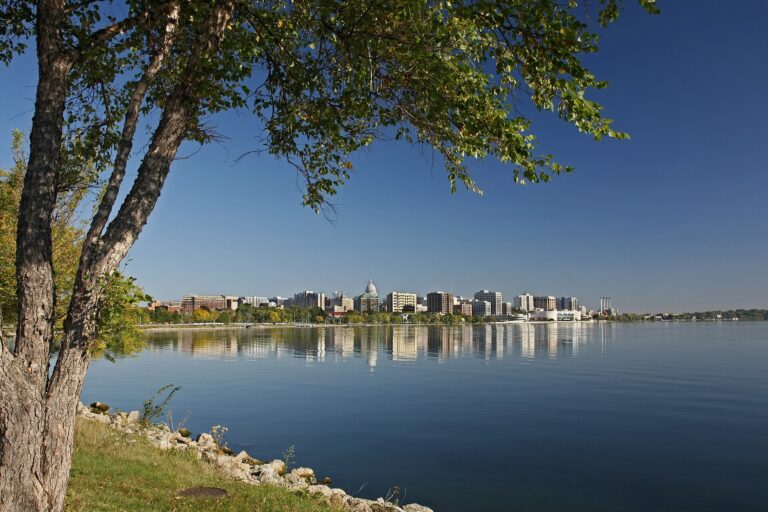
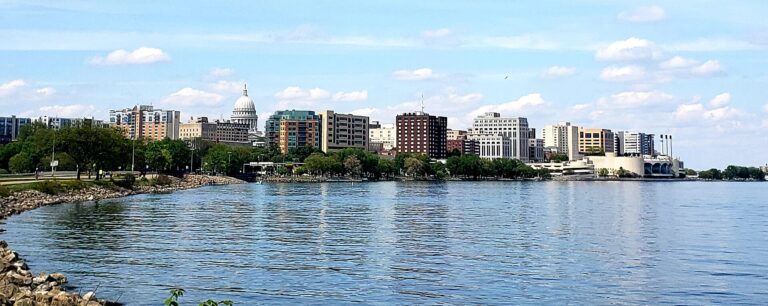
Downtown Madison and the Wisconsin State Capitol sit on an isthmus between Lake Mendota and Lake Monona, and most of the city’s walkable neighborhoods are within a few miles of Capitol Square. This guide compares Marquette, Vilas, Tenney-Lapham, Nakoma, Schenk-Atwood, the village of Shorewood Hills and Orchard Ridge, with price ranges, schools and trade-offs for each. Since September 2024, Metro Transit’s Rapid Route A has linked the east and west sides with 15-minute weekday service, which matters if you plan to live without a second car.
The city’s population sits at 275,568 according to the U.S. Census Bureau’s 2019-2023 American Community Survey, and a median age of just 31.8 years tells you a lot. This is a young city, partly because of the university, but also because of a robust tech and healthcare job market that keeps graduates from leaving. That youth skews the housing market in interesting ways: the homeownership rate is only 46.6%, which means rentals dominate many of the most desirable neighborhoods. The median gross rent of $1,364 per month sounds manageable on paper, but that figure masks a wide spread.
This guide cuts through the neighborhood-by-neighborhood variation so you know exactly where to land. Whether you’re a remote worker, a young professional, a family needing good schools, or a retiree downsizing from a bigger city, Madison has a pocket for you. It also has a few pockets worth avoiding.
How Madison Is Laid Out
Think of Madison as a bowtie. The narrow isthmus connecting Lakes Mendota and Monona is the knot, and that’s where downtown and the UW campus live. The east side and west side fan out from there like wings. The near east side (nicknamed “Willy Street” territory) is artsy and dense. The near west side is where professionals and established families cluster. Far east Madison is working-class and more affordable. Far west Madison and Middleton blur into suburban sprawl. The north side has pockets of both gentrification and genuine affordability.
The 7 Best Neighborhoods in Madison for 2026
1. Marquette (Willy Street)
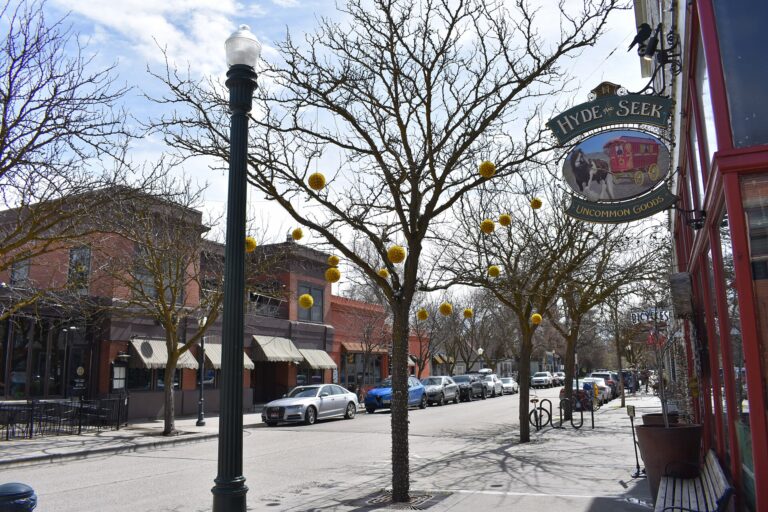
The Marquette neighborhood on the near east side is as close to a true urban village as Madison gets. Williamson Street, known locally as “Willy Street,” is the spine: a walkable stretch of independent restaurants, a co-op grocery, vintage shops, and bars that don’t feel like chains. The housing stock is a mix of craftsman bungalows and older duplexes, with some new infill construction creeping in.
Walkability: Excellent. You can realistically go car-free for daily errands.
Best for: Young professionals, creatives, people who want neighborhood identity without paying Capitol Square prices.
Schools: Marquette Elementary (1501 Jenifer St.) is in the neighborhood and is paired with Lapham Elementary (1045 E. Dayton St.) as the Lapham-Marquette school community. Check MMSD attendance maps for middle and high school assignments.
Downside: Parking is a genuine headache. Street parking is competitive. The bar scene on weekend nights means noise bleeds into residential blocks.
2. Vilas
Vilas is quieter and more family-oriented than most people expect from a near-campus neighborhood. The Henry Vilas Zoo is admission-free and is surrounded by Vilas Park, which curves along the northern shore of Lake Wingra. The housing stock skews toward larger single-family homes and well-maintained older duplexes.
Walkability: Very good. The lakeside paths are accessible on foot, and Monroe Street’s shops and restaurants are a short walk.
Best for: Families with young children, UW faculty, buyers who want a settled neighborhood feel close to the university.
Schools: Franklin Elementary, which serves 4K through second grade, lists Vilas among the neighborhoods it serves.
Downside: The price point is a barrier for most households. Home inventory is low and competition is fierce when good properties hit the market.
3. Tenney-Lapham
Tenney-Lapham is one of Madison’s most walkable neighborhoods and arguably the most underrated one for professionals who want urban density without full downtown chaos. Tenney Park itself is gorgeous, with a lagoon that fills with ice skaters in winter.
Walkability: Excellent.
Best for: State government workers, downtown-adjacent professionals, people who prioritize park access.
Schools: Lapham Elementary (part of the Lapham-Marquette school community) is on E. Dayton St. Check the MMSD attendance maps for your address.
Downside: Some blocks feel transitional.
4. Nakoma
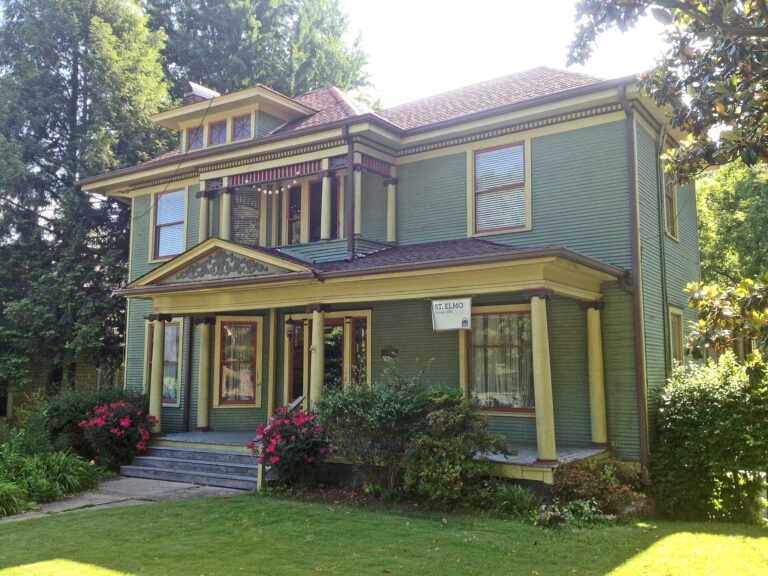
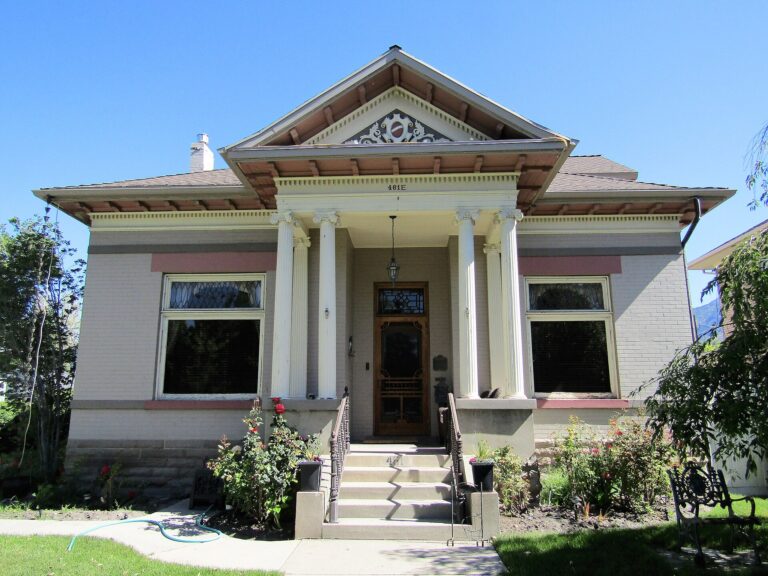
Nakoma is a southwest-side neighborhood built largely in the 1920s through 1940s, full of brick colonials and Tudor Revival homes on curving streets. It’s the kind of neighborhood where people actually stay for decades.
Walkability: Moderate. You’ll need a car for most errands.
Best for: Established families, buyers who want architectural character, people willing to pay a premium for neighborhood stability.
Schools: Thoreau Elementary is on Nakoma Road (3870 Nakoma Rd.). Check the MMSD attendance maps for elementary, middle and high school assignments before you commit to a house.
Downside: It’s expensive, car-dependent, and lacks the walkable retail that near-east or near-west neighborhoods offer. Young buyers are mostly priced out.
5. Atwood-Schenk (Schenk-Atwood)
Schenk-Atwood is also on the near east side and shares Marquette’s DNA: independent businesses, older housing stock, progressive politics, neighborhood associations that actually do things. Atwood Avenue is the neighborhood’s commercial spine, and Schenk’s Corners sits at the core of its commercial district.
Walkability: Good but not great. Atwood Avenue itself is walkable; residential streets require more effort.
Best for: First-time buyers, renters who want character without Willy Street prices, east-siders who work downtown.
Schools: Schenk Elementary is at 230 Schenk St. Check the MMSD attendance maps for your address.
Downside: Some blocks are noisier than they look on a map. Traffic on Atwood Avenue proper can feel frenetic during peak hours.
6. Shorewood Hills
Technically a separate village (not part of the City of Madison), Shorewood Hills is fully enclosed by Madison and functions as one of its most affluent pockets. It sits on the south shore of Lake Mendota, directly west of the UW campus. University faculty have long been a major presence here.
Walkability: Good for campus access. Minimal walkable retail.
Best for: High-earning professionals, UW faculty, families who want top-tier schools in a quiet setting.
Schools: Shorewood Hills Elementary is on Shorewood Blvd., and Madison West High serves students from Shorewood Hills.
Downside: The price point excludes nearly everyone. It can feel insular. There’s almost no nightlife or commercial street life within the village itself.
The Hidden Gem: Orchard Ridge
Orchard Ridge is the neighborhood around Orchard Ridge Elementary (5602 Russett Road) and Orchard Ridge Park (5214 Whitcomb Dr.), and most east-siders have never thought seriously about it.
How to Choose the Right Madison Neighborhood for You
Start with your commute. Madison traffic isn’t Chicago, but the isthmus bottleneck is real. If you work at UW Hospital, living on the far east side adds real friction to your morning.
Next, decide what you’re actually paying for. The city’s median gross rent of $1,364 per month is a useful anchor. Below that figure, you’re likely trading walkability or neighborhood character. Well above it, you’re buying into a specific neighborhood premium: lake proximity, walkable retail, or school quality.
With a median household income of $76,983, a two-income household in Madison is in a workable position for most neighborhoods. A single-income household at or near that median will need to be intentional. The standard financial guideline of spending no more than 30% of gross income on housing puts a $76,983-earning household at a comfortable maximum of about $1,924 per month in rent.
Finally, factor in schools if children are part of the picture. Madison Metropolitan School District (MMSD) varies enormously by school. If school quality is non-negotiable, start with the school boundary and work backward to find housing, not the other way around.
Final Pick by Lifestyle
- Young professional, renting: Marquette (Willy Street). Best walkability, best social scene, worth the noise tradeoff.
- First-time buyer, budget-conscious: Schenk-Atwood. Character and community at a price point that still makes sense for most buyers.
- Family, schools are the priority: Vilas or Nakoma if the budget allows. Orchard Ridge if it doesn’t.
- Remote worker who wants quiet: Orchard Ridge.
- High earner who wants the best of everything: Shorewood Hills. It costs what it costs, and it delivers.
- Urban living without the student energy: Tenney-Lapham. Mature and genuinely pleasant, with Tenney Park on Lake Mendota.
Madison rewards people who take time to explore its neighborhoods in person before committing. The gap between a great fit and a frustrating one here is real, but so is the upside. The work is figuring out which corner of it is yours.
Frequently Asked Questions
What is the average rent in Madison, WI in 2026?
What are the safest neighborhoods in Madison, WI?
Is Madison, WI a good place to raise a family in 2026?
How much do homes cost in Madison, WI in 2026?
What Madison neighborhood is best for young professionals?
Sources & methodology. Demographic and economic figures in this guide are drawn from the U.S. Census Bureau, 2019 to 2023 American Community Survey 5-Year Estimates. A newer 2020 to 2024 release came out on January 29, 2026; this guide still uses the 2019 to 2023 figures. Cost estimates combine these official figures with current local listings and are rounded for readability.
Last reviewed September 2026.
How this guide was made. Figures come from the U.S. Census Bureau ACS 2019 to 2023 5-year estimates and the other sources named next to each number. A first draft was written with the help of an AI language model; every place name, price, date and claim was then checked against primary sources by the Small City Guide editors (see About and Methodology). Last verified: September 26, 2026.
What changed: Fact-checked against primary sources in September 2026: 9 statements corrected, 5 off-topic Census sentences removed, opening rewritten, photo replaced with a credited image of the city.
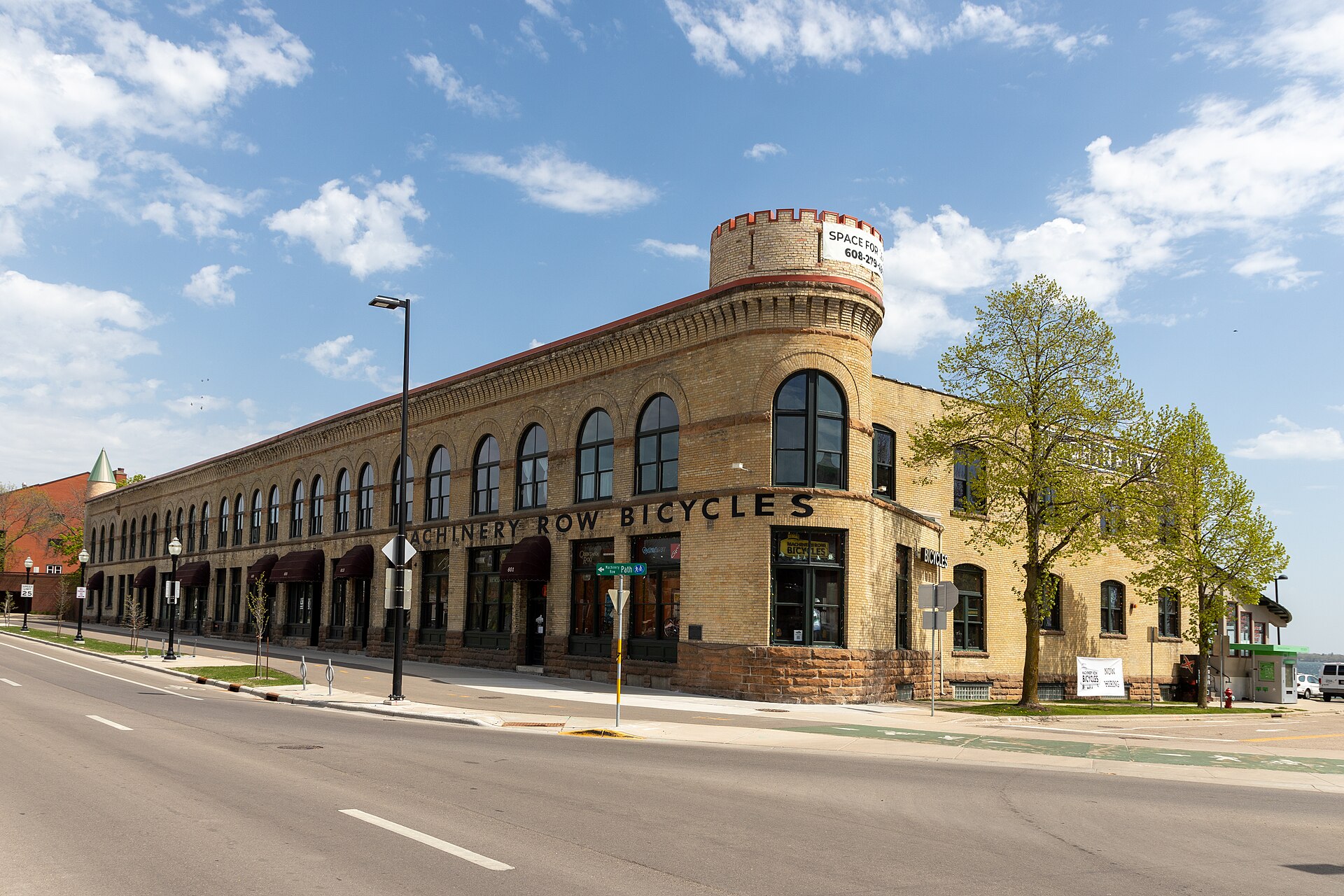
Photo: Paul R. Burley, CC BY-SA 4.0, via Wikimedia Commons.