Pros and Cons of Living in Sarasota, FL in 2026
Sarasota is a Gulf Coast city of about 56,000 people with the Ringling Museum, the Van Wezel, the Sarasota Orchestra and the quartz sand of Siesta Key Beach a short drive away. It also took hits from Hurricanes Helene and Milton in 2024, and its median home value of $409,700 is steep against a median household income of $70,065. This guide weighs those trade-offs for someone considering a move in 2026.
The Pros of Living in Sarasota, FL
1. The Climate Is Genuinely Exceptional (Most of the Year)
Florida gets oversold on weather, but Sarasota has a legitimate case. From November through April, average daytime highs run from about 72 degrees in January to about 82 degrees in April. That is not exaggeration. Winters here are what winter is supposed to feel like. You can eat outside in January without a jacket. You can walk Siesta Key Beach in February and genuinely feel like you’re on vacation. That psychological lift is real, and it compounds over time.
2. Siesta Key and the Beaches Are Not Overhyped
Siesta Key Beach has topped national best-beach rankings repeatedly, and for once the ranking is accurate. The sand is composed of quartz crystal, which means it stays cool underfoot even on hot days and has a white, powdery texture that most Florida beaches can’t match. Lido Key and Longboat Key offer quieter alternatives when Siesta Key draws crowds on busy weekends. For a city this size, the quality and variety of beach access is remarkable.
3. A Real Arts and Culture Scene
This is the detail that surprises most newcomers. Sarasota has the Van Wezel Performing Arts Hall, the Sarasota Opera, the Florida Studio Theatre, and the Ringling Museum of Art, which houses Baroque masterpieces and a significant collection of works by Peter Paul Rubens, alongside the circus history museum and the Ca’ d’Zan mansion. The Sarasota Orchestra has been operating continuously since 1949. For a city under 60,000 people, that is a cultural infrastructure that most mid-sized American cities would envy. The 41.7% bachelor’s degree attainment rate (compared to 35.0% nationally in the same 2019 to 2023 Census survey) suggests that the audience for these institutions is real and consistent, not just tourist-driven.
4. Outdoor Life Beyond the Beach
The outdoors here isn’t only sand and saltwater. Myakka River State Park, one of Florida’s oldest and largest state parks at about 37,000 acres, sits about nine miles east of Interstate 75. Canoe, kayak, or spot alligators from the park’s famous canopy walkway. The Legacy Trail runs 18.5 miles from Sarasota to Venice and is one of the better paved multiuse trails in the region. Sarasota Bay offers kayaking, including guided trips where paddlers can watch dolphins and manatees. For a city that markets itself partly to retirees, it has genuine appeal for active younger residents and families too.
5. The Job Market Is Stable and Diversifying
Sarasota Memorial Hospital is the largest employer in the area and continues to expand.
6. The Food Scene Punches Above Its Weight
Downtown Sarasota’s Main Street and the surrounding blocks have a dining density that surprises first-time visitors. Mattison’s City Grille has held a loyal following for years. The Sarasota Farmers Market, running every Saturday morning since 1979, anchors a genuine local food culture rather than a performative one. St. Armands Circle on St. Armands Key, on the way to Lido Key, is tourist-adjacent but has legitimate restaurants mixed in with the gift shops. The food here is not Miami or New York, but for a small Gulf Coast city, the variety and quality are real.
7. No State Income Tax
Florida has no state income tax. For retirees living on Social Security or investment income, the tax picture is even more favorable since Florida exempts Social Security benefits from state taxation and has no estate tax. This is a legitimate financial advantage, not just a talking point.
The Cons of Living in Sarasota, FL
1. Housing Costs Have Run Ahead of Incomes
This is the most pressing issue for anyone moving here in 2026. The median home value is $409,700. The median gross rent is $1,514 per month. Put those figures next to a median household income of $70,065 and the math gets uncomfortable fast. A household earning the median would spend roughly 26% of gross income on rent at the median rate, which is technically within the 30% affordability threshold, but that assumes no utilities, no car payment, and no healthcare costs. Homeownership is harder still. A $409,700 home at a 6.5% fixed rate on a 30-year loan with 10% down carries a principal-and-interest payment of about $2,330 a month before taxes and insurance. That is a serious stretch on a $70,065 income. The homeownership rate of 55.7% suggests a large share of residents are renting, and competition for rentals has kept pressure on prices.
2. The Summers Are Legitimately Brutal
From late June through September, Sarasota is hot, humid, and prone to afternoon thunderstorms that arrive with almost no warning. High temperatures and humidity regularly push the heat index over 100 degrees Fahrenheit. The beach becomes less appealing, not because of weather alone, but because the summer crowd is smaller and many of the seasonal businesses and cultural venues scale back or close. New residents from the Midwest or Northeast often underestimate how psychologically wearing four straight months of oppressive heat can be. Your electricity bill will spike significantly in summer months as air conditioning runs continuously.
3. Hurricane Risk Is Real and Insurance Reflects That
Sarasota sits on a Gulf Coast peninsula. Hurricane Ian in 2022, then Helene and Milton in 2024, made it very clear that this part of Florida carries genuine catastrophic risk. Helene caused an estimated $755.7 million in damage in Sarasota County, and two weeks later Milton made landfall as a Category 3 hurricane near Siesta Key. Homeowners insurance in Sarasota is a major cost, and premiums depend on location, elevation, and construction type. If you’re buying a home close to the water, the combined cost of insurance, flood insurance, and wind mitigation upgrades can add thousands of dollars to your annual carrying costs. This is not a theoretical concern. It is a line item that changes the affordability calculation entirely.
4. Traffic Has Gotten Noticeably Worse
Sarasota’s road infrastructure was built for a smaller city. US-41 (the Tamiami Trail) is the main commercial artery and it backs up badly during peak hours and during season (November to April), when the snowbird population inflates the effective population considerably beyond the 56,218 permanent residents. The bridges to Siesta Key and Lido Key become bottlenecks on busy beach days. Public transit is limited. Without a car, daily life here is genuinely difficult. Sarasota County has joined the Tampa Bay Area Regional Transportation Authority to plan light rail, commuter rail and longer-range bus service, but meaningful progress remains slow.
5. The Poverty Rate Signals Real Inequality
A poverty rate of 14.3% in a city that markets itself as a luxury destination is a tension worth sitting with. There is a visible gap between the Sarasota that appears in travel magazines and the service-worker economy that keeps it running. For newcomers arriving with professional salaries, this gap is easy to miss at first. It is worth understanding before you idealize the place.
6. Limited Diversity and a Pronounced Age Skew
With a median age of 49.3 years, Sarasota skews significantly older than the national median of 38.7 years in the same 2019 to 2023 Census survey. That is not inherently bad, but it shapes the city’s energy, nightlife, political climate, and social scene in concrete ways. If you’re in your late 20s or early 30s and want a peer group of people in similar life stages, you will find them, but you’ll have to look harder than you would in Tampa or St. Pete.
7. Property Taxes and Fees Add Up
Florida’s lack of state income tax is real, but property taxes in Sarasota County are not negligible. The annual bill on a median-priced home depends on exemptions and millage rates. Combine that with the insurance costs described above and the monthly carrying cost of owning a median-priced home here is considerably higher than the mortgage payment alone suggests. New residents sometimes experience sticker shock when the full ownership picture comes into focus.
Who Should Move to Sarasota
Retirees or near-retirees with solid savings and retirement income are genuinely well-served here. The tax environment, the healthcare infrastructure at Sarasota Memorial, the cultural programming, the walkable downtown, and the beach access all combine into something that is hard to replicate in most of the country at this price point. If you’re 55 or older, financially stable, and want a city rather than a sprawling retirement community, Sarasota is close to ideal.
Remote workers earning $90,000 or more annually will also find Sarasota comfortable. The lifestyle-to-cost ratio compared to larger metros is still favorable if your income is decoupled from the local wage market. You get the beach, the culture, and the weather while paying Miami prices for neither rent nor meals out.
Outdoor enthusiasts who want more than just beach access will find Myakka, the Legacy Trail, and the kayaking genuinely satisfying year-round, with the caveat that summer heat demands an early-morning or evening approach to most activities.
Who Should NOT Move to Sarasota
Young professionals earning under $60,000 will face a real housing squeeze. The median rent of $1,514 per month sounds manageable until you add the cost of a car (public transit is not a viable substitute), and the social reality of building a life in a city where the dominant peer group is 20-plus years older.
Families with school-age children should research the specific school district data carefully before committing. Sarasota County Schools has strong individual schools, but performance varies significantly by neighborhood, and the housing costs in the better school zones are the highest in the market.
Anyone who dislikes heat and humidity intensely should not move here expecting to power through it. Four months of genuine summer is a long time, and many people who move from the Northeast specifically underestimate how much the summer isolation (when seasonal businesses close and snowbird friends depart) affects quality of life.
Final Verdict: Sarasota Rated 7.5 out of 10
Sarasota is a genuinely excellent place to live for the right person. The beaches are as good as advertised. The cultural infrastructure is remarkable for a city its size. The weather from November through April is exceptional. And a population of 56,218 means you still get a real city, with real neighborhoods and real dining, without the chaos of a major metro.
But 2026 Sarasota is not 2015 Sarasota in terms of cost. A median home value of $409,700 against a median household income of $70,065 represents a price-to-income ratio that demands either significant savings, a remote income premium, or a willingness to rent indefinitely. Hurricane insurance has become a genuinely serious financial variable. Summer is harder than the brochures let on.
The honest rating is 7.5 out of 10. This is a top-tier small city for retirees and financially comfortable remote workers. It is a harder case for younger renters, service-sector workers, or anyone who needs their social scene to skew under 40. Go in with accurate expectations and a full budget picture, and Sarasota will likely exceed them. Go in on lifestyle alone and the financial reality will surface quickly.
Frequently Asked Questions
What is the cost of living in Sarasota, FL in 2026?
Is Sarasota, FL a good place to retire in 2026?
How bad is hurricane risk in Sarasota, FL?
Is Sarasota, FL affordable for young professionals?
What neighborhoods in Sarasota, FL are most popular for newcomers?
Sources & methodology. Demographic and economic figures in this guide are drawn from the U.S. Census Bureau, 2019 to 2023 American Community Survey 5-Year Estimates. A newer 2020 to 2024 release came out on January 29, 2026; this guide still uses the 2019 to 2023 figures. Other figures come from the sources named next to them.
Last reviewed September 2026.
How this guide was made. Figures come from the U.S. Census Bureau ACS 2019 to 2023 5-year estimates and the other sources named next to each number. A first draft was written with the help of an AI language model; every place name, price, date and claim was then checked against primary sources by the Small City Guide editors (see About and Methodology). Last verified: September 26, 2026.
What changed: Fact-checked against primary sources in September 2026: 10 statements corrected, 4 off-topic Census sentences removed, opening rewritten, photo replaced with a credited image of the city.
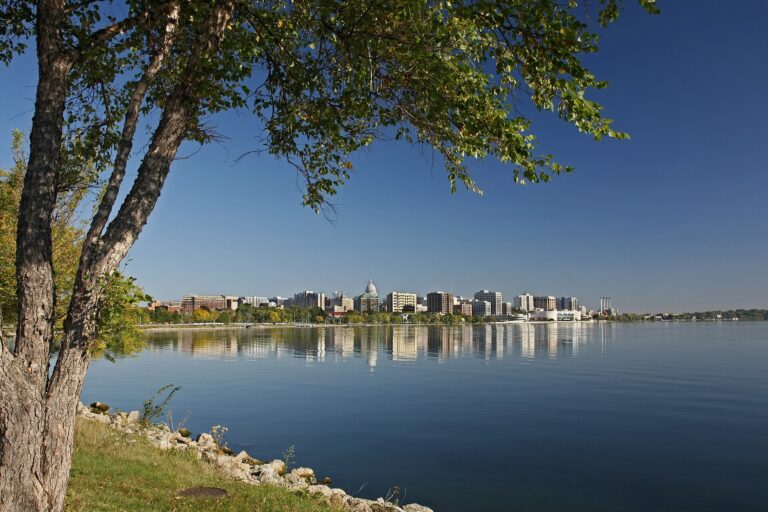
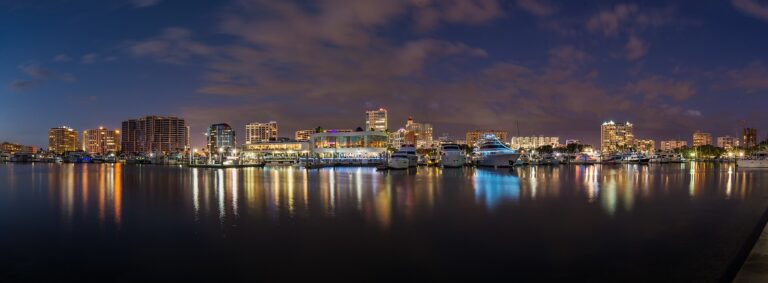
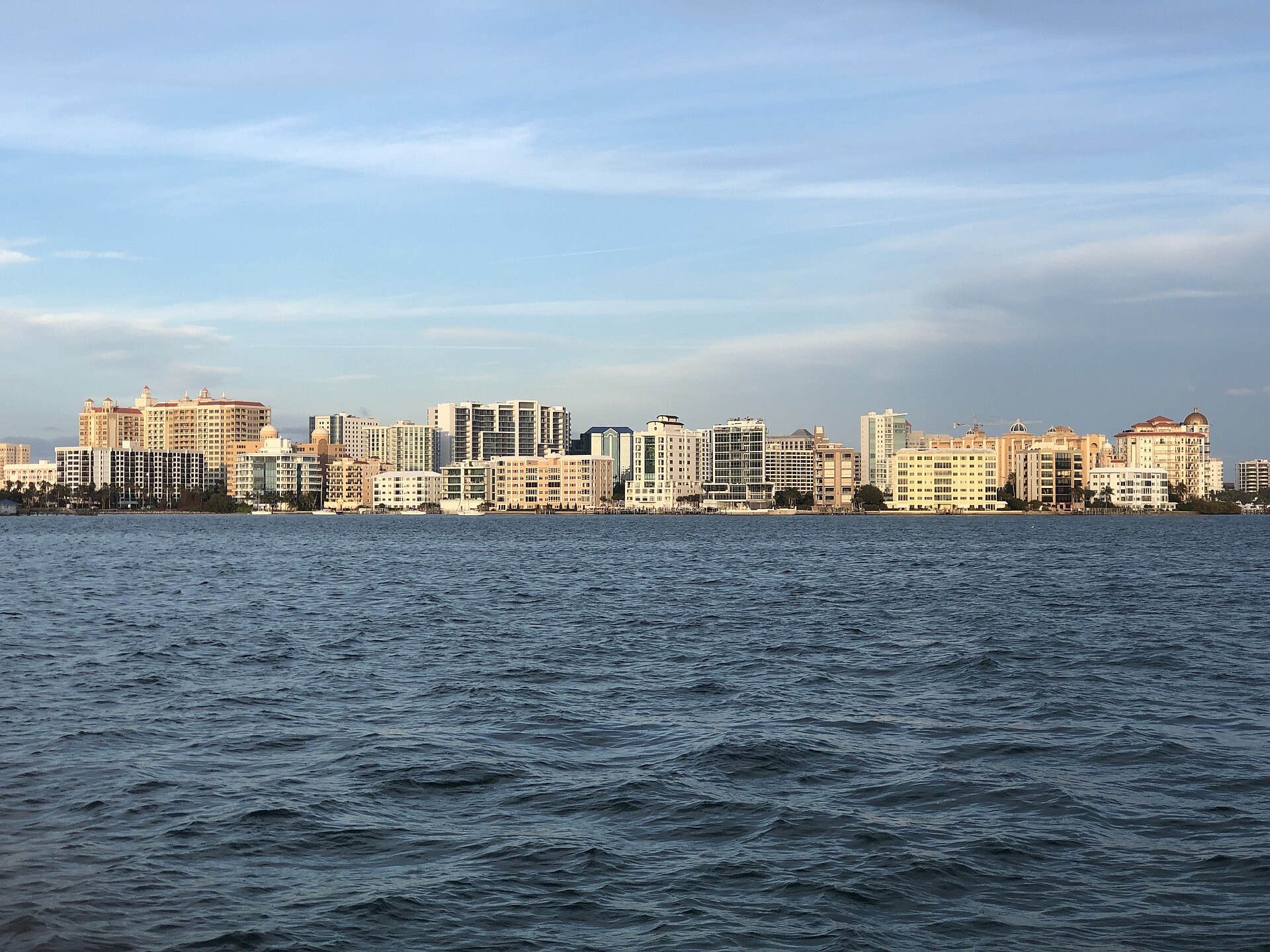
Photo: Cullen Morgan, CC BY 4.0, via Wikimedia Commons.